Summary
- Zinc is essential for the effectiveness and duration of Botox treatments, as it is required for enzymes that block nerve signals.
- A zinc deficiency can lead to fatigue, a weakened immune system, brittle nails, hair loss and slower wound healing.
- Sufficient zinc can be obtained through diet (meat, spinach, mushrooms, asparagus, cashew nuts, almonds) or supplements.
- Always have a zinc deficiency diagnosed by a doctor before taking any action.
A surprising factor that can help with this is zinc. This essential mineral plays an important role in the functioning of Botox. In this blog, we explain how zinc works, why it can make a difference, and how you can ensure you don't have a deficiency.
Why is zinc important for Botox?
Botox works by blocking nerve signals to the muscles, allowing them to relax and reducing wrinkles. This process is linked to enzymes that require zinc as a cofactor. In other words: without sufficient zinc in your body, these enzymes may work less effectively, which can lead to a shorter duration of your Botox treatment. It is therefore important that you have a healthy zinc level beforehand; taking it afterwards has no effect.
How do you know if you have a zinc deficiency?
Zinc deficiency is more common than you might think, especially in people who follow an unbalanced diet. Signs of zinc deficiency include:
- Fatigue;
- Reduced immunity;
- Brittle nails or hair loss;
- Slower wound healing.
Tips for getting enough zinc
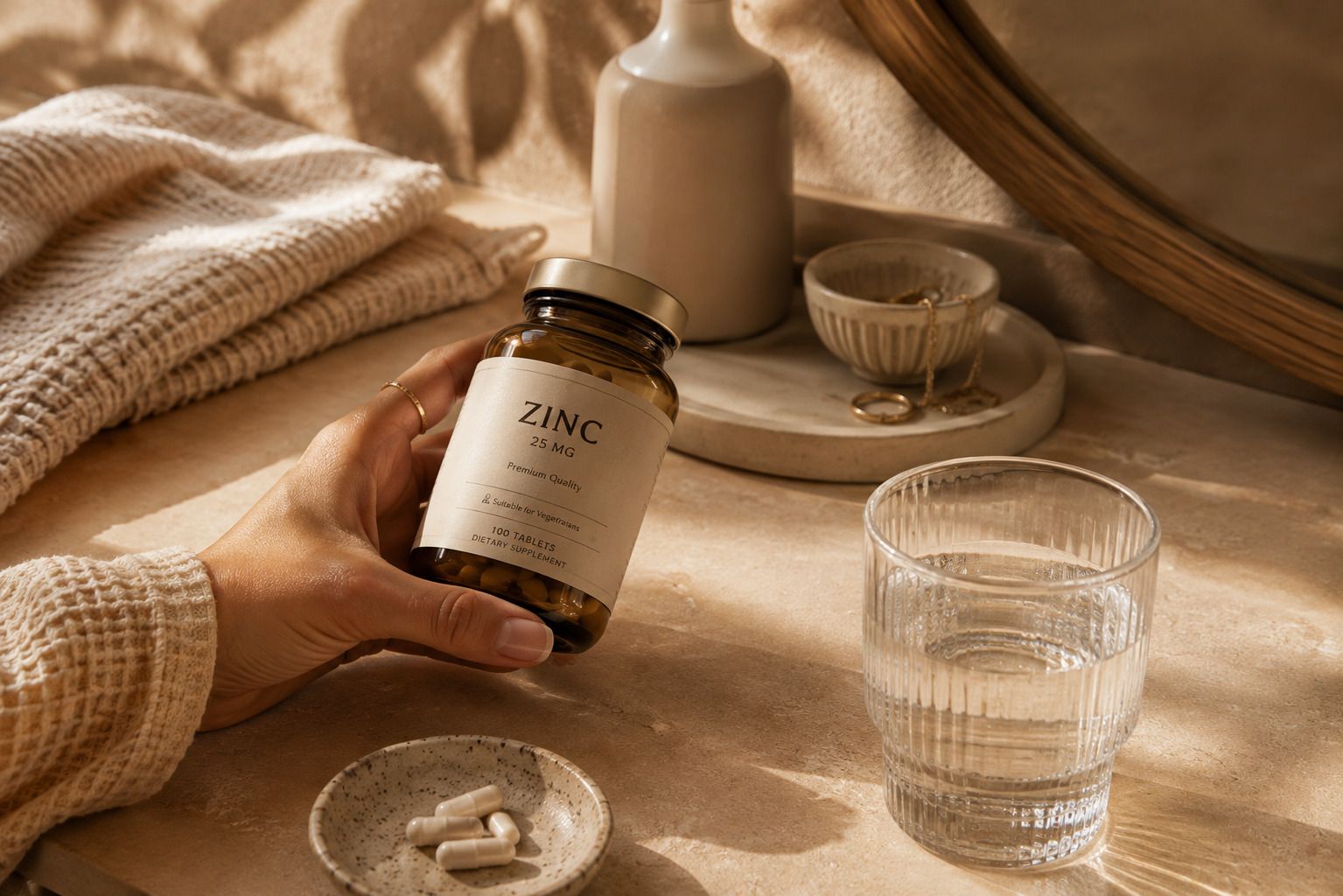
If a doctor has confirmed that you have a zinc deficiency, it may be beneficial to adjust your diet or consider a supplement. Many meats, as well as vegetables such as spinach, mushrooms, and asparagus, for example, are rich in zinc. For people on a vegan diet, cashews and almonds are a good source.
Having a healthy zinc level therefore not only has health benefits but also cosmetic advantages. Your Botox treatment will be effective for longer when you have a healthy amount of zinc in your body. So, be sure to have this tested by a doctor and only act if they indicate it is necessary.
Are you curious about our Botox treatments? Then schedule an online appointment in the agenda, or book an online consultation where you can ask all your questions to a BIG-registered doctor.