When to consider upper eyelid surgery
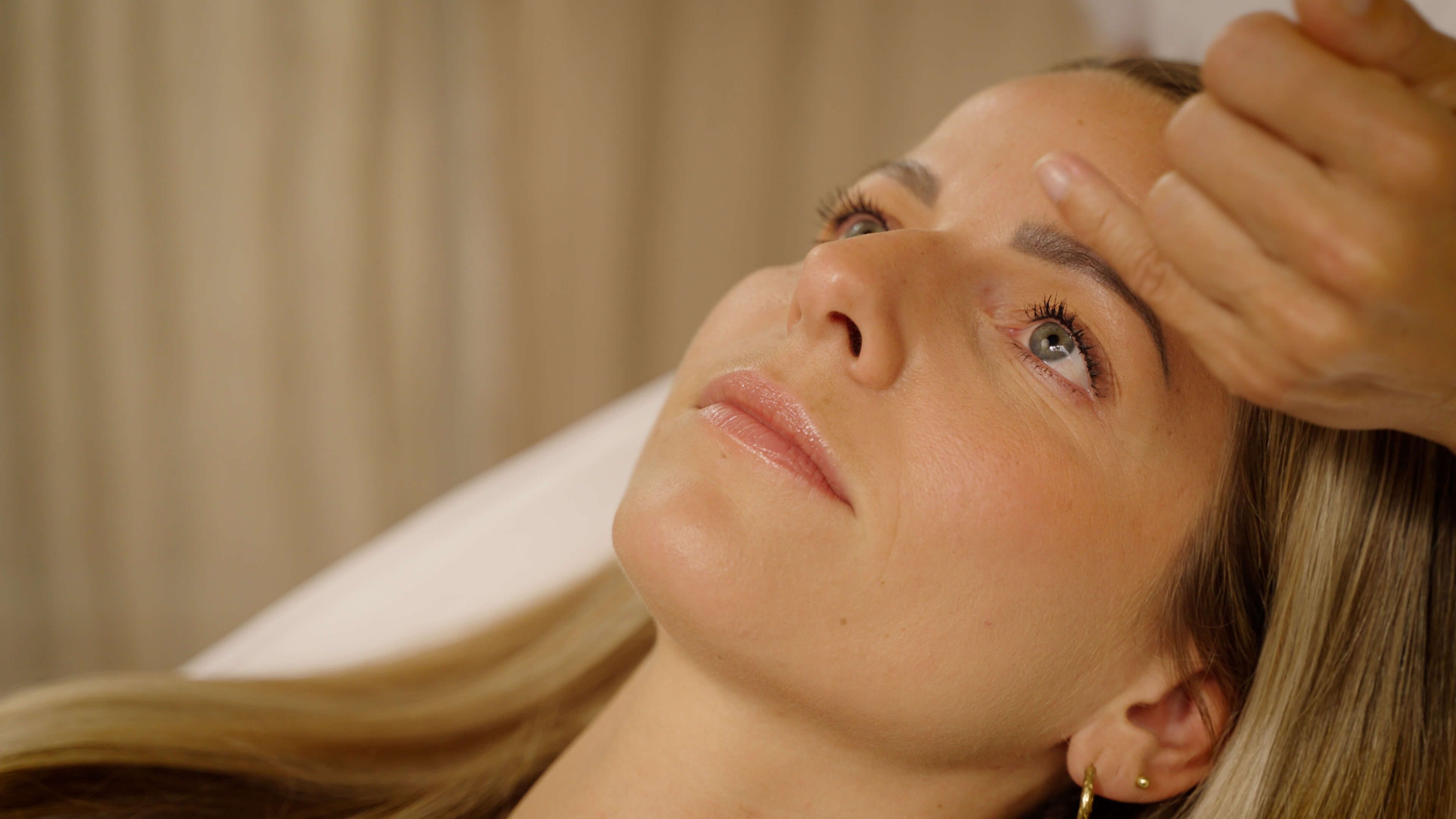
Drooping eyelids often give a tired appearance, and they can also cause complaints such as restricted vision or headaches.
If you suffer from drooping eyelids, a surgical upper eyelid correction can be a very good solution.
Why an upper eyelid correction
Drooping upper eyelids can be a serious problem and lead to very uncomfortable complaints. Research has shown that in many cases, the quality of life significantly improves after an upper eyelid correction. The most common improvements after an upper eyelid correction are:
Enlargement of the visual field
The excess skin of the eyelids can cause part of this skin to fall over the eye. This can significantly reduce your vision.
Fewer headaches.
Due to drooping eyelids, you will automatically raise your eyebrows to improve your vision. However, raising your eyebrows often leads to headaches. After correcting the excess skin, this is no longer necessary, and headache complaints will immediately decrease.
Less pressure on the eyes
Drooping eyelids feel heavy on the eyes and often create a feeling of pressure. An upper eyelid correction significantly reduces this pressure.
Rested appearance
Drooping eyelids can give you a tired look. By correcting the excess skin, you regain a youthful, rested appearance.
Why do eyelids droop?
The most common reasons why eyelids droop are: the natural aging process, muscle laxity, and heredity.
Aging process
The natural aging process causes the skin above the eyes to lose its elasticity and the subcutaneous connective tissue to slacken. This makes the skin looser and prone to drooping. Excess eyelid skin, or a laxity of the skin above the eyes, is called Dermatochalasis. In addition to excess skin, there can also be excess fat or connective tissue. Due to the laxity of the subcutaneous connective tissue, the fat, which normally lies deeper in the eye socket, can protrude. This results in swollen eyelids or swelling in the corner of the eye near the nose.
Muscle laxity
However, drooping upper eyelids are not always the result of skin laxity or excess fat or connective tissue. In some cases, the muscle of the upper eyelid is weakened. In addition to removing excess skin and fat or connective tissue, the doctor will also need to correct the upper eyelid muscle.
Heredity
Sometimes excess skin around the eyes also occurs in young people, in which case hereditary factors often play a role.
Slack skin of the forehead can also play a role
It can happen that your upper eyelids appear to be drooping, but this is not actually due to your eyelids themselves. The skin of your forehead may have slackened, causing your eyebrows to sag downwards. This can make it seem as if there is too much skin above the eyes. When your eyebrows are drooping so low, an upper eyelid correction alone may not be sufficient, and a brow lift or forehead lift may also be necessary.
What happens during the eyelid correction surgery
During the upper eyelid correction surgery, you will be given a local anesthetic injection. Only the area around your eyes will be numbed so that you do not experience pain during the correction of your eyelids. The excess skin above the eyes is removed through a surgical procedure. An upper eyelid correction is a simple procedure with great results.
Minimal scars
During an upper eyelid correction, the excess skin, and in some cases also fat and/or connective tissue, is excised. The incisions (cuts) are precisely placed in the folds of the skin, so that over time, almost nothing of the procedure remains visible.
Painless treatment
Prior to an upper eyelid correction, you will be given a local anesthetic injection. This ensures that the treatment can be experienced as virtually painless. If an upper eyelid correction alone does not achieve the optimal result, you will be referred to a plastic surgeon. If multiple surgical procedures are then required in addition to an upper eyelid correction, such as a brow lift or forehead lift, you will usually be placed under general anesthesia.
Consultation
Drooping eyelids can have various causes. We advise you to first schedule a non-binding and free consultation to determine the cause of the excess skin above the eyes. If an upper eyelid correction is suitable for you, a customized treatment plan will be drawn up together with the doctor. The specialist at The Body Clinic who performs the upper eyelid correction is Drs. Mirthe van der Putten (Utrecht and Amsterdam location). Mirthe van der Putten has many years of experience and is regarded within cosmetic medicine as a specialist in the field of surgical eyelid corrections. An upper eyelid correction is only a minor procedure and brings great results that can significantly improve the quality of life.
References
[1] Cahill, KV., Bradley, E.A., Meyer, D.R., Holck, D.E., Marcet, M.M., Man, L.A., (2011). Functional Indications for Upper Eyelid Ptosis and Blepharoplasty Surgery. A Report by the American Academy of Ophthalmology, 118(12), 2510-2517. [2] Donna J. Millay, D.J., Wayne, M.D., Larrabee, F. (1989). Ptosis and Blepharoplasty Surgery. Arch Otolarynog Head Neck Surg, 115. [3] Brown M.S., Putterman A.M. (2000). The effect of upper blepharoplasty on eyelid position when performed concomitantly with Müller muscle-conjunctival resection. Ophthal Plast Reconstr Surg,16, 94-100. [4] Huijinga, M.A., van der Palen, J., van der Leiade, B. (2014). The effect of upper eyelid blepharoplasty on eyebrow position. Journal of Plastic, Reconstructive & Aesthetic Surgery, 67, (9), 1242-1247. [5] Hollander, M.H.J., Contini, M., Pott, J.W., Visser, A., Schepers, R.H., Jansma, J. (2019). Functional outcomes of upper eyelid blepharoplasty: A systematic review. Journal of Plastic, Reconstructive & Aesthetic Surgery, 72(2), 294-309.
Related articles

May 7, 2021