

Ozempic®
Semaglutide
What is Ozempic
Ozempic is a medicine with the active substance semaglutide, developed by Novo Nordisk. It belongs to the group of GLP-1 receptor agonists — medicines that help lower blood glucose by mimicking a natural hormone released after meals.
Ozempic is used in adults with type 2 diabetes when diet and physical activity alone are not sufficient to control blood glucose levels. It can be used as monotherapy (on its own) or in combination with other glucose-lowering medicines such as metformin, sulfonylureas or insulin.
During treatment, body weight may also decrease, but Ozempic is not approved for weight loss. For weight management with semaglutide there is a separate product: Wegovy, which is specifically authorised for weight loss and weight maintenance in people with obesity or overweight.
Source: SmPC Ozempic (EMA, latest version).
Instructions for use of Ozempic
Below you’ll find brief pen-use information. Always read the package leaflet or ask your doctor/pharmacist for advice.
Important information about the pen
- Injection: once weekly, on a fixed day.
- Each pen contains multiple doses; use a new needle for each injection.
- After first use, the pen can be used for up to 6 weeks at ≤ 30 °C (see leaflet).
Checks before each injection
- Attach a new needle and check flow (a drop should appear).
- Set the prescribed dose and inject according to the instructions.
- Rotate injection sites (abdomen, thigh, upper arm).
Storage
- Unopened: in a refrigerator (2–8 °C), do not freeze; protect from light.
- After first use: up to 6 weeks at room temperature (max. 30 °C).
Source: Leaflet/SmPC Ozempic.
Semaglutide
Semaglutide is a GLP-1 receptor agonist. It mimics the action of the natural hormone GLP-1, which is released after a meal. This causes the pancreas to release more insulin when blood glucose is high, the liver to reduce glucose output, and gastric emptying to slow. Together this helps lower blood glucose in type 2 diabetes.
Source: SmPC §5.1.
Ozempic and weight change
Ozempic is not approved for weight loss. In clinical studies in adults with type 2 diabetes, an average reduction in body weight was observed; this relates to effects on gastric emptying and appetite. For weight management with semaglutide there is a separate product:
Wegovy, which is specifically approved for weight loss and weight maintenance.
Source: SmPC §5.1.
Who is Ozempic for?
Ozempic can be prescribed for adults with type 2 diabetes when diet and exercise alone are insufficient. It can be combined with other antidiabetic medicines (e.g. metformin, SU derivatives or insulin) as directed by your doctor.
Not intended for: type 1 diabetes or diabetic ketoacidosis; children/adolescents < 18 years (safety not established).
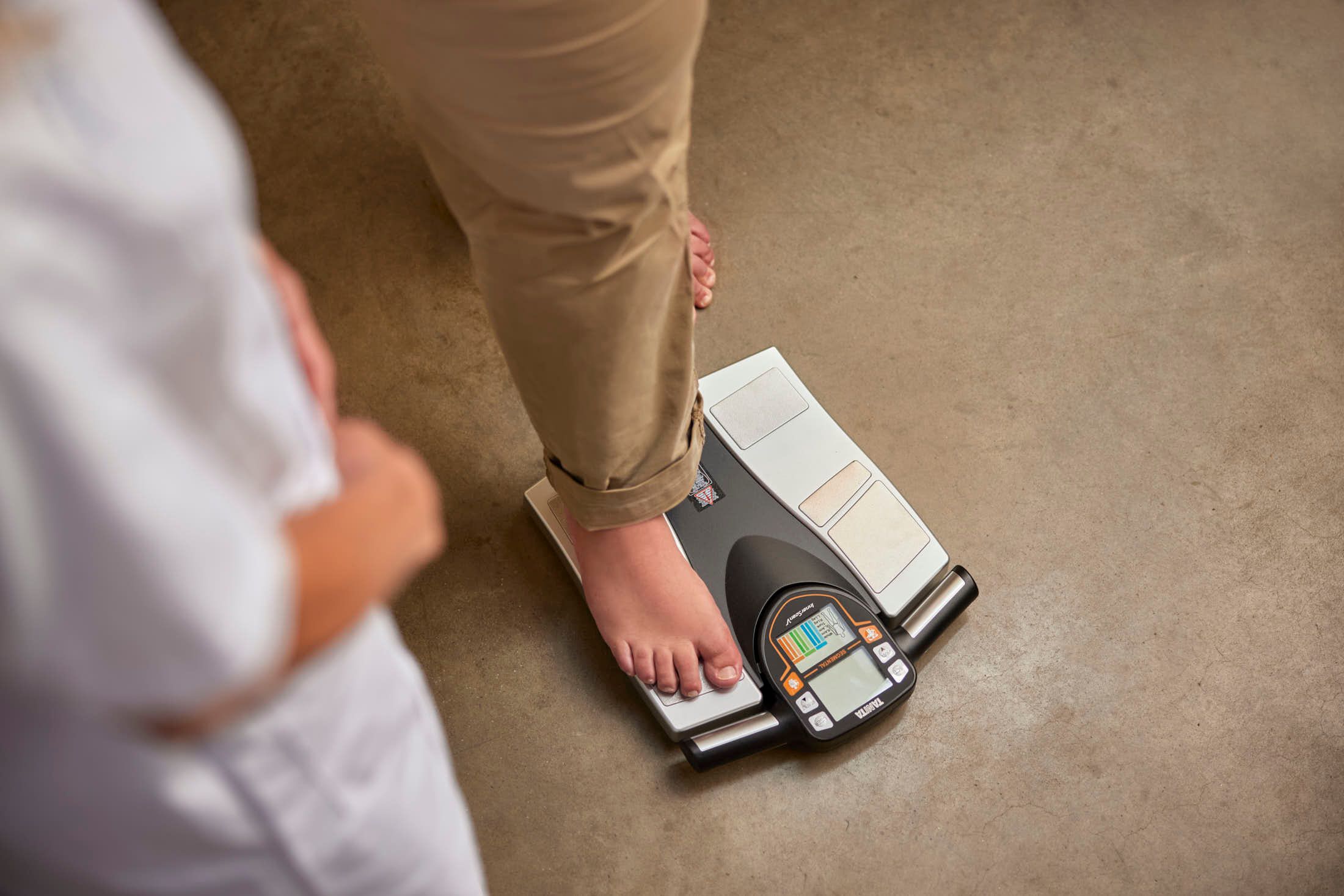
Source: SmPC §4.1.
Ozempic prescription
Ozempic is available by prescription only. A licensed physician will assess whether you meet the medical criteria and can then issue a prescription.
Source: SmPC §4.1.
Ozempic price
Pricing is set by the pharmacy and depends on strength and pack size. The SmPC does not contain pricing information. Ask your pharmacy for current costs.
Mounjaro, Wegovy and Saxenda: differences from Ozempic
Indication
Ozempic: type 2 diabetes. Wegovy: weight loss/weight maintenance. Saxenda: weight loss/weight maintenance. Mounjaro: weight loss/weight maintenance and type 2 diabetes.
Active substance and class
Ozempic/Wegovy: semaglutide (GLP-1). Saxenda: liraglutide (GLP-1). Mounjaro: tirzepatide (GIP + GLP-1).
Dosage/frequency
Ozempic/Wegovy/Mounjaro: once weekly (titration per SmPC). Saxenda: once daily (titration per SmPC).
Regulatory status/availability
Ozempic: authorised for type 2 diabetes. Wegovy: authorised for weight management. Saxenda: authorised for weight management. Mounjaro: authorised for weight management and type 2 diabetes.
Sources: SmPCs via EMA and internal pages: Wegovy, Saxenda, Mounjaro.
Side effects of Ozempic
Possible side effects
- nausea
- diarrhoea
- vomiting
- constipation
- abdominal pain
- indigestion (heartburn)
- decreased appetite
- injection-site reactions (redness, itching, pain)
Other reported side effects
- dizziness
- tachycardia (fast heartbeat)
- pancreatitis (inflammation of the pancreas)
- gallbladder disorders (such as gallstones)
- changes in kidney function in case of dehydration
- hypersensitivity reactions (rash, angioedema)
- worsening of diabetic retinopathy with rapid glycaemic improvement
Serious side effects — contact your doctor immediately
- persistent severe abdominal pain (possible pancreatitis)
- severe or prolonged nausea/diarrhoea (dehydration or kidney injury)
- swelling of face, lips, tongue or throat (possible allergic reaction)
- pain in the upper right abdomen or jaundice (gallbladder/liver problems)
- sudden worsening of vision (diabetic retinopathy)
Sources: SmPC §4.8.
Contraindications for the use of Ozempic
Do not use Ozempic if:
- you are hypersensitive to semaglutide or any excipients;
- you have type 1 diabetes or diabetic ketoacidosis;
- you are a child or adolescent under 18 years (safety and efficacy not established).
Use caution when combining with insulin or sulfonylureas (risk of hypoglycaemia); dose adjustment may be required.
Source: SmPC §4.3 / §4.4.
Ozempic during pregnancy or breastfeeding
Use during pregnancy and breastfeeding is not recommended. There are insufficient data in humans; women planning pregnancy should discuss timely discontinuation with their doctor.
Source: SmPC §4.6.
Where to inject Ozempic
Ozempic is given as a subcutaneous (under the skin) injection. Below you can read where to inject and what to consider before first use.
- Do not inject into a vein or muscle.
- Suitable injection sites:
- front of the thigh
- abdomen (front of the waist)
- upper arm
- Before first use, have your doctor or nurse show you how to use the pen.
Source: Leaflet/SmPC Ozempic.
Frequently asked questions about Ozempic
What is Ozempic and what is it used for?
Ozempic (semaglutide) is authorised for the treatment of adults with type 2 diabetes as an add-on to diet and physical activity. Source: SmPC §4.1.
Is Ozempic intended for weight loss?
No. Ozempic is not approved for weight loss. In studies in people with diabetes, average weight reduction was observed. For weight management, Wegovy is approved. Source: SmPC §5.1.
How does Ozempic work in the body?
Semaglutide activates the GLP-1 receptor: more insulin at high glucose, less glucagon, slower gastric emptying and reduced appetite. Source: SmPC §5.1.
How much weight did participants lose in studies?
In SUSTAIN-1 (52 weeks): −3.8 kg (0.5 mg) and −4.6 kg (1.0 mg) vs −1.0 kg with placebo. Source: SmPC §5.1.
What are the most common side effects?
Nausea, diarrhoea, vomiting, constipation, abdominal pain, indigestion, decreased appetite. Source: SmPC §4.8.
What are possible serious side effects?
Pancreatitis, gallbladder problems, kidney issues due to dehydration, severe allergic reaction, worsening retinopathy. Call your doctor immediately if you have warning symptoms. Source: SmPC §4.8.
Is Ozempic reimbursed?
For type 2 diabetes, reimbursement may be possible; not for weight loss. Ask your pharmacy or insurer. (The SmPC does not include reimbursement info.)
Is Ozempic available without prescription?
No. Prescription only via a pharmacy. Source: SmPC §4.1.
What if I miss a dose?
Follow the guidance in the SmPC/leaflet or ask your doctor/pharmacist. Source: SmPC §4.2.
Sources
-
- EMA – SmPC/Leaflet Ozempic (semaglutide)
- SmPCs of comparator products via ema.europa.eu and internal pages: Wegovy, Saxenda, Mounjaro


