A person's hand holds a sleek, blue-purple, pen-like device in a soft bathroom background.

Ozempic®

Semaglutide

none provided
The information on this page has been medically reviewed by:Nicolette Lammers
Book an AppointmentBook an Appointment

What is Ozempic

Ozempic is a medicine with the active substance semaglutide, developed by Novo Nordisk. It belongs to the group of GLP-1 receptor agonists — agents that help lower blood sugar levels by mimicking a natural hormone released after a meal. Ozempic is used in adults with type 2 diabetes when diet and exercise alone are not sufficient to control blood sugar levels. It can be applied as monotherapy (alone) or in combination with other blood sugar-lowering agents, such as metformin, sulfonylurea derivatives, or insulin.

During treatment, body weight may also decrease, but Ozempic is not registered for weight loss. For weight management with semaglutide, there is a separate variant: Wegovy, which is specifically approved for weight loss and weight maintenance in people with obesity or overweight.

Source: SmPC Ozempic (EMA, latest version).

Instructions for Use of Ozempic

Below you will find brief usage information for the pen. Always read the leaflet or ask your doctor/pharmacist for an explanation.

Important information about the pen

  • Injection: once a week, on a fixed day.
  • Each pen contains multiple doses; use a new needle for each administration.
  • After opening, the pen can be used for up to 6 weeks at ≤ 30 °C (see leaflet).

Check before each injection

  1. Place a new needle and check for patency (visible drop).
  2. Set the prescribed dose and inject according to the instructions.
  3. Alternate injection sites (abdomen, thigh, upper arm).

Storage

  • Unopened: in the refrigerator (2–8 °C), do not freeze; protect from light.
  • After opening: up to 6 weeks at room temperature (max. 30 °C).

Source: SmPC Ozempic (EMA, latest version).

Semaglutide

Semaglutide is a GLP-1 receptor agonist. It mimics the action of the natural hormone GLP-1, which is released after a meal. This causes the pancreas to release more insulin when blood sugar is high, inhibits the liver's release of glucose, and slows down gastric emptying. This contributes to lowering blood sugar in type 2 diabetes.

Source: SmPC Ozempic (EMA, latest version).

Ozempic and Weight Change

Ozempic is not registered for weight loss. In clinical studies in adults with type 2 diabetes, an average decrease in body weight was observed; this is related to effects on gastric emptying and appetite. For weight management with semaglutide, there is a separate variant: Wegovy, which is specifically approved for weight loss and weight maintenance.

Source: SmPC Ozempic (EMA, latest version).

Who is Ozempic suitable for?

Ozempic can be prescribed to adults with type 2 diabetes when diet and exercise alone are insufficient. It can be combined with other antidiabetics (e.g., metformin, SU-derivatives, or insulin) as prescribed by your doctor. Not intended for: type 1 diabetes or diabetic ketoacidosis; children/adolescents < 18 years (safety not established).

Source: SmPC Ozempic (EMA, latest version).

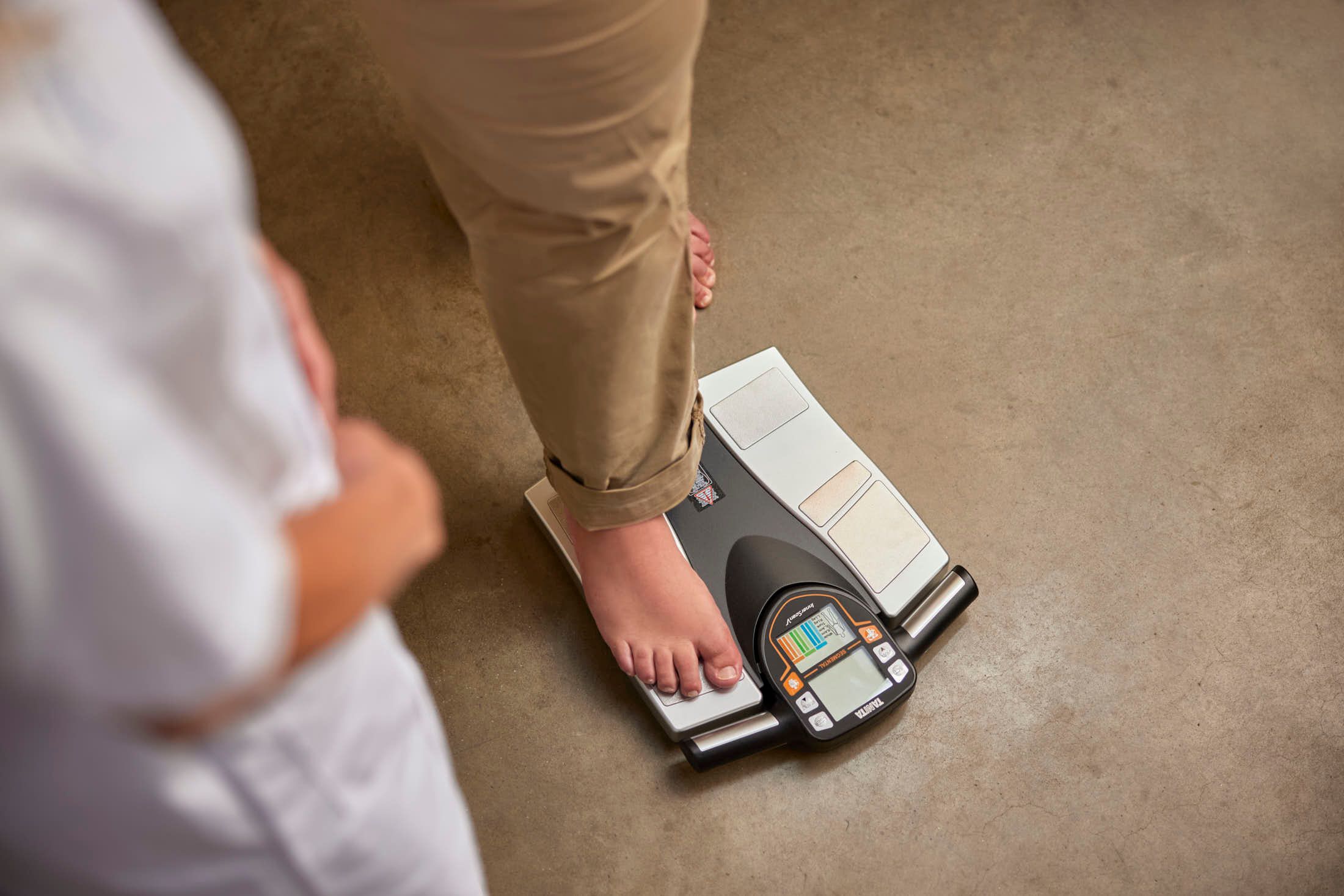
Client wordt gewogen tijdens medisch afvallen traject bij The Body Clinic

Ozempic prescription Only available on prescription via pharmacy

Ozempic is only available on prescription. A BIG-registered doctor assesses whether you meet the medical criteria and can then issue a prescription.

To treatmentTo treatment

Ozempic price

The price is determined by the pharmacy and depends on strength and packaging. The SmPC does not contain price information. Ask your pharmacy for current costs. Within The Body Clinic, a doctor assesses during the consultation whether treatment with medication is suitable within a medical weight management program. More information about our medical approach can be found in our treatment program.

Products:Ozempic®Wegovy®Mounjaro®Saxenda®
Pharmacist:Novo NordiskNovo NordiskEli LillyNovo Nordisk
Active ingredient:SemaglutideSemaglutideTirzepatideLiraglutide
Treatment type:Type 2 DiabetesObesityObesity and Type 2 DiabetesObesity
Dosage:0.25 - 2.4mg0.25 - 2.4mg2,5 - 15mg0,6 - 3,0mg
Inject:1x per weekOnce a weekOnce a week1x per day
Approval phase:ApprovedApprovedApprovedApproved
Side effects:Common side effects include: nausea, diarrhea, vomiting, constipation, abdominal painCommon side effects include: nausea, diarrhea, vomiting, constipation, abdominal painCommon side effects include: nausea, diarrhea, decreased appetite, abdominal pain, reflux.Common side effects include: nausea, diarrhea, decreased appetite, headache, constipation

Mounjaro, Wegovy and Saxenda: the differences with Ozempic

Application

  • Ozempic: type 2 diabetes.
  • Wegovy: weight loss/weight maintenance.
  • Mounjaro: weight loss/weight maintenance AND type 2 diabetes.
  • Saxenda: weight loss/weight maintenance.

Active substance and class

  • Ozempic/Wegovy: semaglutide (GLP-1).
  • Mounjaro: tirzepatide (GIP + GLP-1).
  • Saxenda: liraglutide (GLP-1).

Dosage/frequency of use

  • Ozempic/Wegovy/Mounjaro: 1× per week (titration according to SmPC).
  • Saxenda: 1× per day (titration according to SmPC).

Registration status/Availability

  • Ozempic: registered for type 2 diabetes.
  • Wegovy: registered for weight management.
  • Mounjaro: registered for weight management and type 2 diabetes.
  • Saxenda: registered for weight management.

Sources: SmPCs via EMA and internal pages: Wegovy, Saxenda and Mounjaro.

Leaflet & contraindications

Download the leaflet below and view the most common side effects of Ozempic.

Download leafletDownload leaflet
Do not use in case of hypersensitivity (allergy) to semaglutide or any of the excipients
Do not use in case of a personal history of medullary thyroid carcinoma (MTC)
Do not use in the presence of Multiple Endocrine Neoplasia type 2 (MEN2)
Use during pregnancy and breastfeeding is discouraged

Ozempic side effects

Possible side effects

  • nausea
  • diarrhea
  • vomiting
  • constipation
  • abdominal pain
  • indigestion (heartburn)
  • decreased appetite
  • injection site reactions (redness, itching, pain)

Other side effects reported for Ozempic

  • dizziness
  • rapid heartbeat (tachycardia)
  • pancreatitis (inflammation of the pancreas)
  • gallbladder disorders (such as gallstones)
  • changes in kidney function with dehydration
  • hypersensitivity reactions (rash, angioedema)
  • worsening of diabetic retinopathy with rapid glycemic improvement

Serious Ozempic side effects – contact your doctor immediately

  • persistent severe abdominal pain (possible pancreatitis)
  • severe or prolonged nausea/diarrhea (dehydration or kidney damage)
  • swelling of the face, lips, tongue, or throat (possible allergic reaction)
  • pain in the upper right abdomen or jaundice (gallbladder/liver problems)
  • sudden worsening of vision (diabetic retinopathy)

Contraindications for the use of Ozempic

Ozempic should not be used in:

  • hypersensitivity to semaglutide or excipients;
  • type 1 diabetes or diabetic ketoacidosis;
  • children and adolescents under 18 years (safety and efficacy not established).
  • use during pregnancy and breastfeeding is discouraged

Caution is needed when combining with insulin or sulfonylurea derivatives (risk of hypoglycemia); dose adjustment may be necessary.

Ozempic during pregnancy or breastfeeding

Use during pregnancy and breastfeeding is discouraged. There are insufficient human data; women planning to conceive should stop in consultation with their doctor well in advance of a planned pregnancy.

Where do you inject Ozempic?

Ozempic is administered as a subcutaneous injection. Below you can read where to inject and what to pay attention to during the first use. Suitable injection sites:

  • front of the thigh, -abdomen (front middle) and
  • upper arm

Do not inject into a vein or muscle. Have your doctor or nurse show you how to use the pen before first use.

Source: SmPC Ozempic (EMA, latest version).

Frequently asked questions

Is your question not listed? Then take a look at the frequently asked questions.

  • Ozempic (semaglutide) is indicated for the treatment of adults with type 2 diabetes as an adjunct to diet and exercise. Source: SmPC §4.1.

  • No. Ozempic is not registered for weight loss. Studies in diabetic patients did show an average weight reduction. Wegovy is registered for weight management. Source: SmPC §5.1.

  • Semaglutide activates the GLP-1 receptor: more insulin when glucose is high, less glucagon, slower gastric emptying, and reduced appetite. Source: SmPC §5.1.

  • In SUSTAIN-1 (52 weeks): −3.8 kg (0.5 mg) and −4.6 kg (1.0 mg) vs −1.0 kg with placebo. Source: SmPC §5.1.

  • Nausea, diarrhea, vomiting, constipation, abdominal pain, indigestion, decreased appetite. Source: SmPC §4.8.

  • Pancreatitis, gallbladder problems, kidney dysfunction due to dehydration, severe allergic reaction, worsening retinopathy. In case of alarm symptoms, call a doctor immediately. Source: SmPC §4.8.

  • For type 2 diabetes, reimbursement may be possible; not for weight loss. Inquire with your pharmacy or insurer. (SmPC does not contain reimbursement information.)

  • No. Only with a prescription from the pharmacy. Source: SmPC §4.1.

  • Follow the instructions in the SmPC/leaflet or ask your doctor/pharmacist. Source: SmPC §4.2.

Sources

EMA – SmPC/Leaflet Ozempic (semaglutide) SmPCs of comparative agents via ema.europa.eu and internal pages: Wegovy, Saxenda, Mounjaro

Book your treatment now or a free consultation

For a treatment or free consultation, you can call the central number directly or fill out the contact form on the contact page.