
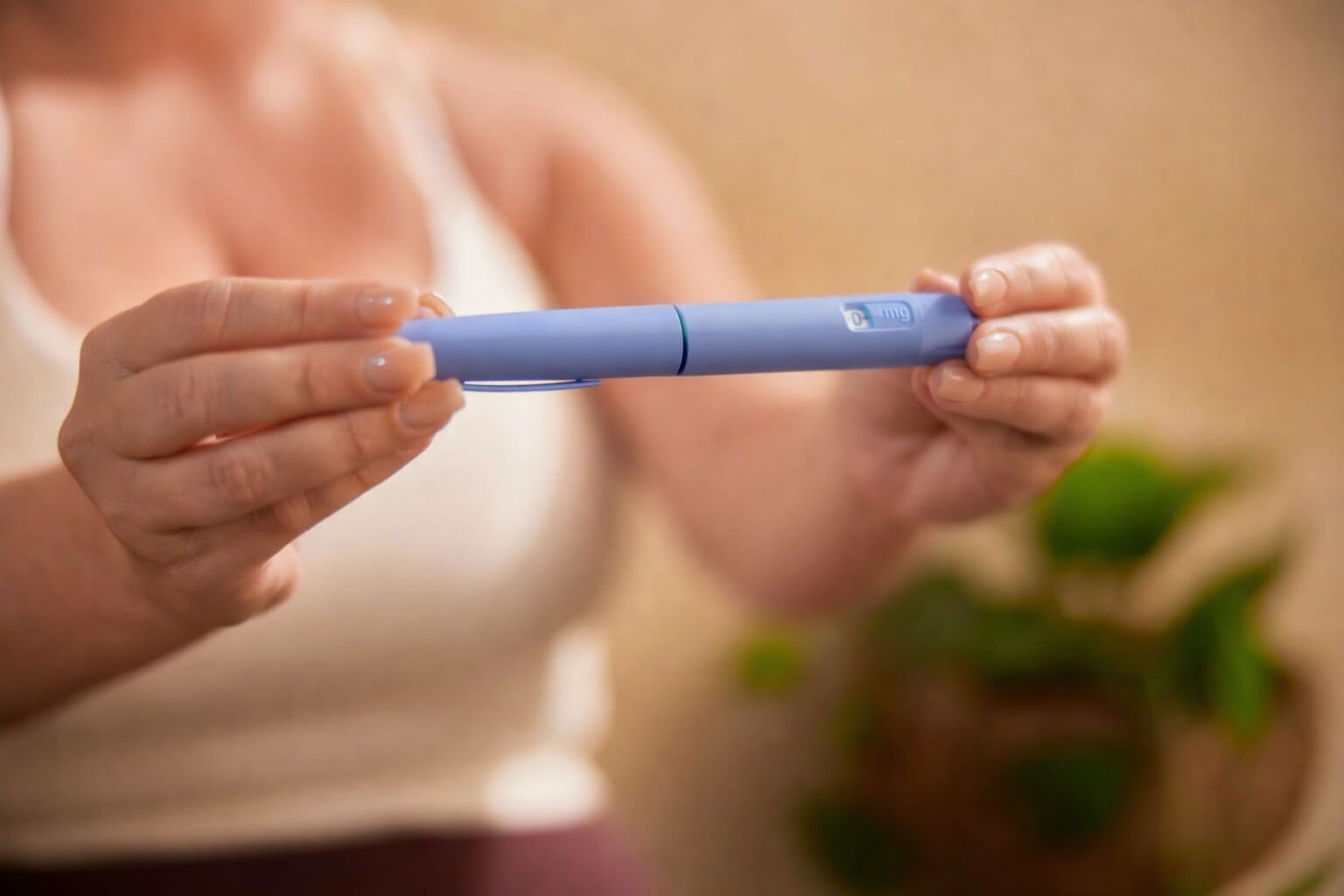
A hand holds a pregnancy test horizontally in a blurred bathroom setting.

Mounjaro®

Tirzepatide

Nicolette Lammers
none provided
The information on this page has been medically reviewed by
Make an appointment

What is Mounjaro

Mounjaro is a medicine with the active ingredient tirzepatide. It is used for two medical applications:

  1. Weight loss and weight management in adults with obesity (BMI ≥ 30) or overweight (BMI 27–30) with weight-related health problems, such as high blood pressure, sleep apnea, or high cholesterol.
  2. Treatment of type 2 diabetes in adults when diet and exercise alone are not sufficient to lower blood sugar.

Within The Body Clinic, a doctor assesses during the consultation whether treatment with medication is suitable within a medical weight management program. More information about our medical approach can be found in our treatment program.

Dosage Build-up

Treatment with Mounjaro starts with a low dose of 2.5 mg per week. The dosage can then be gradually increased, depending on the effect and how well you tolerate the medication. There must be at least four weeks between two dose increases. If the dosage is increased every four weeks, the build-up is as follows:

MonthDosage once per week
Month 12.5 mg
Month 25 mg
Month 37.5 mg
Month 410 mg
Month 512.5 mg
Month 615 mg

Instructions for using Mounjaro

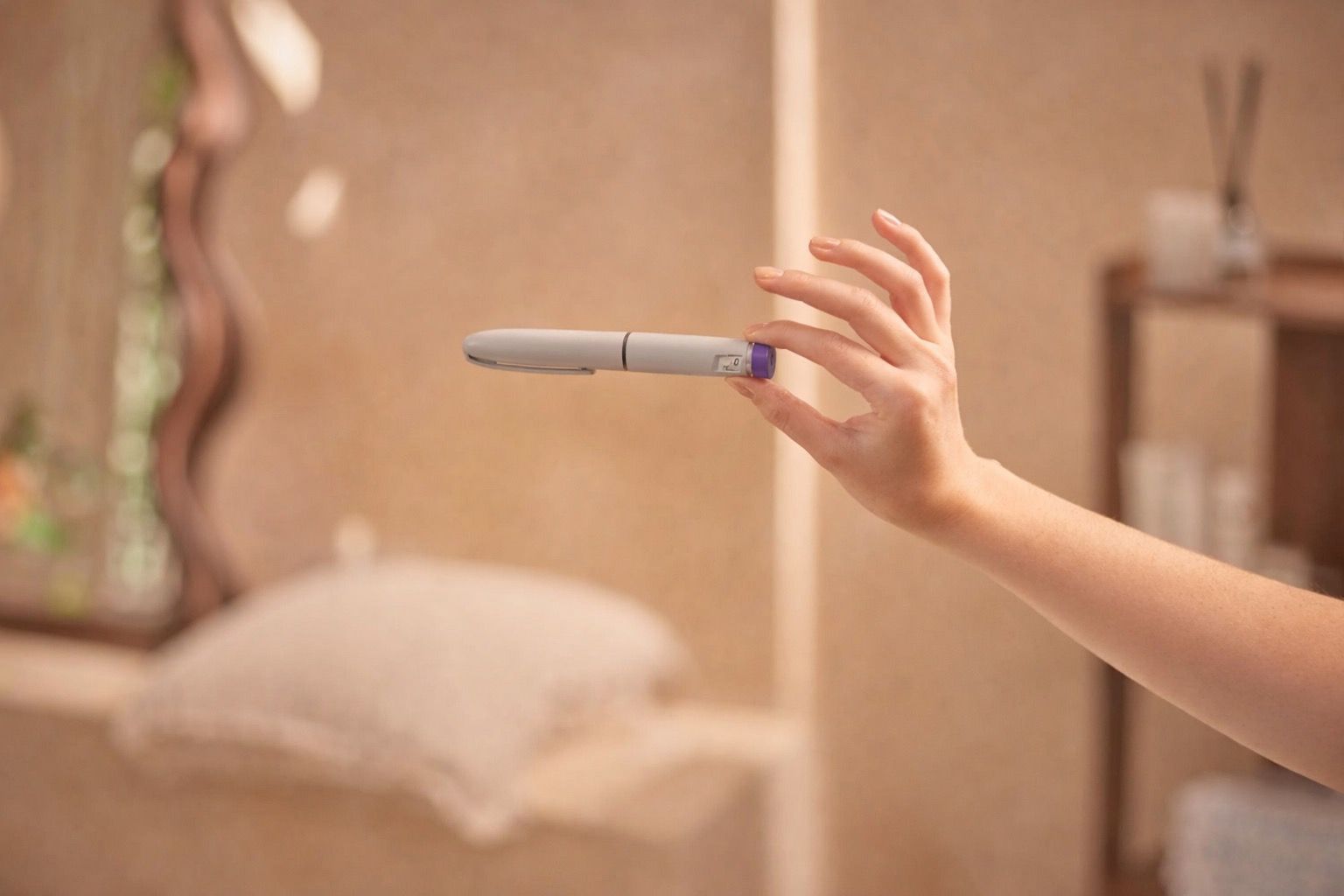
Below you will find brief usage information for the pen. Always read the package leaflet or ask your doctor/pharmacist for explanations.

Important information about the pen

  • Each pen contains one fixed dosage.
  • You can inject 4 times with one pen (once a week).
  • After 4 injections, the pen automatically locks.
  • Some residual fluid always remains; this is not a full dose.

Check before each injection

  1. Attach a new needle to the pen.
  2. Turn the back 2 clicks until the first line appears in the window.
  3. Press the back until a '0' reappears on the screen.
  4. If a drop appears at the needle, the pen is ready for use.
  5. If you don't see a drop, repeat the steps; if this persists after 2 attempts, replace the needle and repeat the check.
  6. If a drop appears, fully turn the pen until '1' appears on the screen and administer the dose.

Storage

  • In the refrigerator (2–8 °C), do not freeze and protect from light.
  • After opening: up to 30 days at room temperature (max. 30 °C) possible.

Tirzepatide

Tirzepatide is the active ingredient in Mounjaro and is produced by Eli Lilly. It is an incretin mimetic: a substance that mimics the action of incretins, hormones that your intestines produce as soon as you eat. Tirzepatide activates both the GIP and GLP-1 receptors. These receptors play a role in the release of insulin after a meal, the reduction of glucagon secretion, and the influencing of appetite and satiety. Through this combined action, tirzepatide helps regulate blood sugar and supports weight loss and weight management for the appropriate indications.

Tirzepatide works glucose-dependently: the pancreas only produces extra insulin if blood sugar rises. This means the risk of low blood sugar is small as long as you do not use other blood sugar-lowering medications. Because tirzepatide remains active in the body for a long time, one injection per week is sufficient.

Tirzepatide was the first medicine to act on two incretin receptors simultaneously. This is the main difference from other weight loss medications that only work via GLP-1:

  • Semaglutide (Wegovy, Ozempic, Wegovy pill, Rybelsus): GLP-1 only, as a weekly injection or as a daily tablet taken on an empty stomach.
  • Orforglipron (Foundayo: GLP-1 only, as a daily tablet that can be taken at any time. Not yet available in the Netherlands.

In a study directly comparing tirzepatide and semaglutide, participants on tirzepatide lost an average of about 20% of their body weight after 72 weeks, compared to about 14% with semaglutide. Results vary per person.

Tirzepatide was approved in Europe in 2022 for type 2 diabetes and later also for weight management. Its efficacy and safety have been investigated in the SURPASS studies (type 2 diabetes) and the SURMOUNT studies (obesity and overweight), involving thousands of adults. In the United States, the same substance for weight loss is sold as Zepbound. Read more about its action, research results, and side effects in our blog What is tirzepatide?
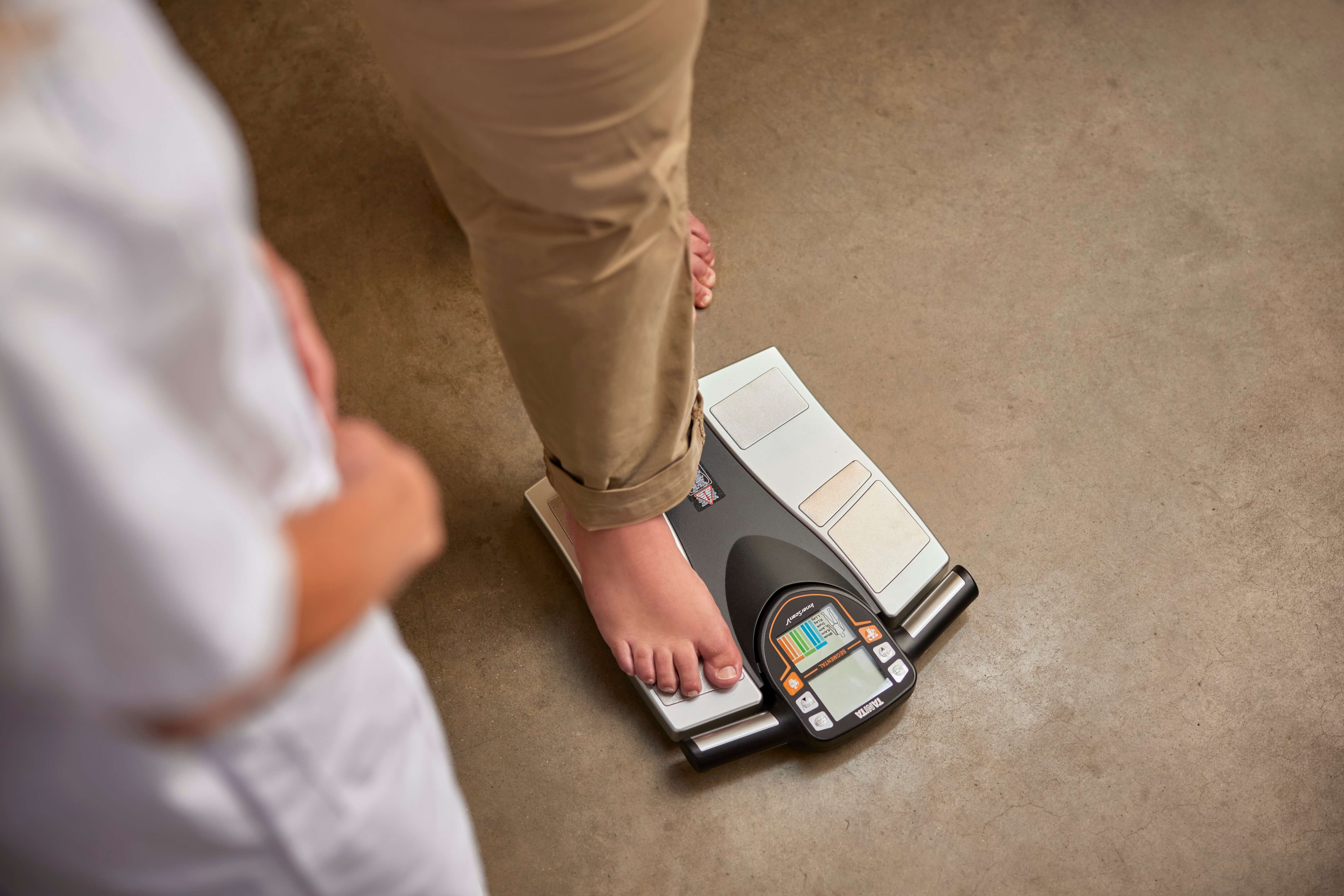
A person steps onto a digital weighing scale as a healthcare professional observes.

Buy Mounjaro? Only available on prescription via pharmacy

Mounjaro is a prescription-only medicine. It is not freely available and can only be supplied with a doctor's prescription. Dispensing takes place via the pharmacy. Online purchase without a prescription or outside a pharmacy is not permitted. Within The Body Clinic, a doctor assesses during the consultation whether treatment with medication is suitable within a medical weight management program. More information about our medical approach can be found in our treatment program.

To treatment

Mounjaro Price

The price of Mounjaro is determined by the pharmacy and may vary per strength and dosage. Within The Body Clinic, a doctor assesses during the consultation whether treatment with medication is suitable within a medical weight management program. More information about our medical approach can be found in our treatment program.

Who is Mounjaro suitable for?

Mounjaro can be prescribed to adults with:

  • BMI ≥ 30 (obesity), or BMI 27–30 (overweight) with at least one weight-related condition (e.g., hypertension, dyslipidemia, or sleep apnea),
  • Adults with type 2 diabetes when diet and exercise alone are insufficient.

Mounjaro Prescription

Mounjaro is exclusively available on prescription. A BIG-registered doctor assesses whether you meet the medical criteria and can then issue a prescription. Within The Body Clinic, a doctor assesses during the consultation whether treatment with medication is suitable within a medical weight management program. More information about our medical approach can be found in our treatment program.

Mounjaro reimbursement by health insurer

Mounjaro may in some cases be reimbursed for the treatment of type 2 diabetes when other agents are insufficient. For use in weight loss, Mounjaro usually falls outside the basic package. Inquire with your health insurer or pharmacy.

How Mounjaro works

Mounjaro contains tirzepatide. This substance resembles the hormones GIP and GLP-1, which are released after a meal. They help the body to properly use sugar from food. Under their influence, the pancreas produces more insulin as soon as blood sugar rises, and the liver releases less sugar into the blood.

Summarized action:

  • lowering blood sugar levels when they are too high;
  • slowing gastric emptying (food stays in the stomach longer);
  • providing a feeling of satiety (less hunger),
  • and thus supporting weight loss and weight management. The effect builds up gradually; Mounjaro only lowers blood sugar when it is too high.

The substances contained in Mounjaro

Mounjaro is a pre-filled pen with a fixed strength per pen. Below you will find the composition as stated in the official product information.

  • Active ingredient: tirzepatide.
  • Other excipients: sodium chloride, dibasic sodium phosphate heptahydrate, and water for injection.

Where do you inject Mounjaro?

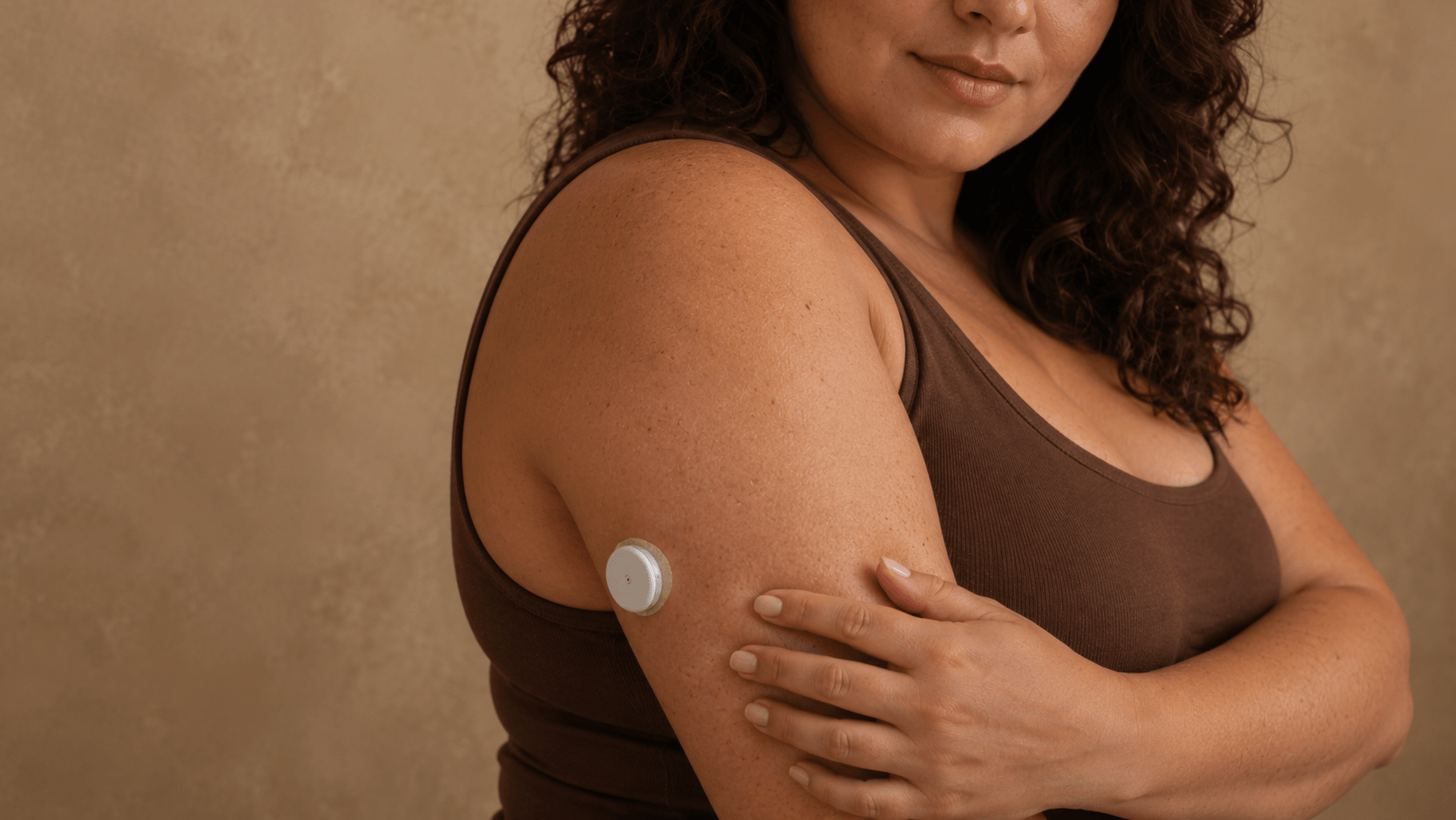
Mounjaro is administered as a subcutaneous injection. Below you can read where to inject and what to pay attention to during initial use.

Do not inject into a vein or muscle. Suitable injection sites:

  • front of the thigh
  • abdomen (front middle)
  • upper arm Have your doctor or nurse demonstrate how to use the pen before the first use.

Tips for using Mounjaro

Always use Mounjaro as instructed by your doctor or pharmacist and read the package leaflet. Practical instructions:

  • Administer the injection once a week, preferably on the same day.
  • Alternate the injection site (abdomen, thigh, upper arm).
  • Missed dose: administer within 4 days; otherwise, skip and continue according to schedule. Do not double the dose.
  • Storage: in the refrigerator (2–8 °C), do not freeze; after opening, up to 30 days at room temperature (max. 30 °C) is possible.
Products:Mounjaro®Wegovy®Ozempic®Saxenda®
Pharmacist:Eli LillyNovo NordiskNovo NordiskNovo Nordisk
Active ingredient:TirzepatideSemaglutideSemaglutideLiraglutide
Treatment type:Obesity and Type 2 DiabetesObesityType 2 DiabetesObesity
Dosage:2.5 - 15mg0.25 - 2.4mg0.25 - 2.4mg0,6 - 3,0mg
Administration:Injection, once a weekInjection, 1x per weekInjection, 1x per weekInjection, 1x per day
Approval phase:ApprovedApprovedApprovedApproved
Side effects:Common side effects include: nausea, diarrhea, decreased appetite, abdominal pain, reflux.Common side effects include: nausea, diarrhea, vomiting, constipation, abdominal painCommon side effects include: nausea, diarrhea, vomiting, constipation, abdominal painCommon side effects include: nausea, diarrhea, decreased appetite, headache, constipation

The difference between Mounjaro and Zepbound

Mounjaro and Zepbound both contain tirzepatide and are produced by Eli Lilly.

  • Application Mounjaro: weight loss/weight management and type 2 diabetes. Zepbound: weight loss/weight management.
  • Active ingredient and class Both: tirzepatide (GIP + GLP-1 receptor agonist).
  • Dosage/frequency of use Both: once a week (build-up according to SmPC).
  • Registration status/Availability Mounjaro: available in the Netherlands/EU. Zepbound: not available on the Dutch market.

The difference between Mounjaro and Saxenda

  • Application Mounjaro: weight loss/weight management and type 2 diabetes. Saxenda: weight loss/weight management.
  • Active ingredient and class Mounjaro: tirzepatide (GIP + GLP-1). Saxenda: liraglutide (GLP-1).
  • Dosage/frequency of use Mounjaro: 1× per week (2.5–15 mg; build-up). Saxenda: 1× per day (0.6–3 mg; build-up).

The difference between Mounjaro and Ozempic

  • Application Mounjaro: weight loss/weight management and type 2 diabetes. Ozempic: type 2 diabetes (not registered for weight loss).
  • Active ingredient and class Mounjaro: tirzepatide (GIP + GLP-1). Ozempic: semaglutide (GLP-1).
  • Dosage/frequency of use Both: 1× per week (build-up according to SmPC).

The difference between Mounjaro and Wegovy

  • Application Mounjaro: weight loss/weight management and type 2 diabetes. Wegovy: weight loss/weight management.
  • Active ingredient and class Mounjaro: tirzepatide (GIP + GLP-1). Wegovy: semaglutide (GLP-1).
  • Dosage/frequency of use Both: 1× per week (build-up according to SmPC).
Mounjaro Package Leaflet & contraindications

Download the Mounjaro package leaflet below and view the most common side effects of Mounjaro.

Download leaflet
Do not use if allergic to tirzepatide, sodium chloride, or sodium phosphate
Caution when using blood sugar-lowering medications (such as insulin)
Do not use in severe stomach or intestinal problems
Do not use during pregnancy

Mounjaro Side Effects

Possible Mounjaro side effects

  • nausea
  • diarrhea
  • decreased appetite
  • vomiting
  • constipation
  • abdominal pain
  • indigestion (heartburn)
  • flatulence or belching reflux (stomach acid flowing back)
  • fatigue
  • injection site reactions (itching, redness, or pain)

Other Mounjaro side effects that have been reported

  • dizziness
  • rapid heartbeat (tachycardia)
  • pancreatitis (inflammation of the pancreas)
  • gallbladder disorders (such as gallstones)
  • changes in kidney function with dehydration
  • hypersensitivity reactions such as rash angioedema (sudden swelling of skin or mucous membranes)
  • anaphylactic reaction (severe allergic reaction)
  • worsening of diabetic retinopathy with rapid improvement in blood sugar levels

Serious Mounjaro side effects – contact your doctor immediately

  • persistent severe abdominal pain with or without vomiting (possible pancreatitis)
  • severe or prolonged nausea, vomiting, or diarrhea (risk of dehydration or kidney damage)
  • swelling of the face, lips, tongue, or throat (possible allergic reaction)
  • pain in the upper right abdomen or jaundice (possible gallbladder or liver problem)
  • sudden worsening of vision (diabetic retinopathy)

Contraindications for the use of Mounjaro

Mounjaro should not be used in the following situations:

  • if you are allergic to tirzepatide or any of the other ingredients of this medicine (such as sodium chloride, sodium phosphate, or water for injection);
  • if you have severe stomach or intestinal problems leading to delayed gastric emptying, such as gastroparesis; - if you have severe liver or kidney problems, as there is insufficient experience with safe use; in children and adolescents under 18 years of age (safety and efficacy have not been established).

In addition, Mounjaro should be used with caution together with insulin or other blood sugar-lowering medications, as this may increase the risk of low blood sugar (hypoglycemia).

Mounjaro during pregnancy or breastfeeding

Mounjaro should not be used during pregnancy. There are no data on use in pregnant women. In animal studies, harm to the unborn animal was observed at high doses. Women who wish to become pregnant should stop Mounjaro at least one month before pregnancy, as the medicine remains active in the body for a long time. It is unknown whether tirzepatide (the active ingredient) passes into breast milk. Therefore, the use of Mounjaro during breastfeeding is not recommended. There is no evidence that Mounjaro affects fertility in humans.

Sources

Frequently Asked questions 

Is your question not listed? Then take a look at the frequently asked questions.

  • Appetite often decreases in the first weeks; the greatest effect is typically seen after 9–12 months.

  • In SURPASS-3 (52 weeks): 7.5 kg (5 mg), 10.7 kg (10 mg), 12.9 kg (15 mg). Depending on the dose, 81–91% lost ≥5% of their weight.

  • Tirzepatide activates the GIP and GLP-1 receptors. This helps regulate blood sugar and creates an earlier feeling of fullness, leading to reduced food intake.

  • Your doctor will assess that based on BMI criteria and your health.

  • No. Only with a prescription from a BIG-registered doctor and through a pharmacy.

  • Mounjaro (tirzepatide) is used for weight loss and weight maintenance in individuals with obesity (BMI ≥ 30) or overweight (BMI 27–30) with weight-related problems, and for the treatment of type 2 diabetes when diet and exercise alone are not sufficient.

  • Nausea, diarrhea, decreased appetite, vomiting, abdominal pain, constipation, and indigestion.

  • Contact your doctor immediately if you experience severe abdominal pain (possible pancreatitis), severe or persistent nausea, vomiting or diarrhea (dehydration/kidney damage), swelling of the face, lips, tongue or throat (allergic reaction), upper abdominal pain or jaundice (gallbladder/liver problems), or sudden worsening of vision (diabetic retinopathy).

  • Only for type 2 diabetes. If you want to lose weight without diabetes, basic health insurance will not cover Mounjaro in 2026. For type 2 diabetes, it is reimbursed with a BMI of 30 or higher if other medication is insufficient, or if there is a very high risk of cardiovascular disease.

  • Mounjaro: tirzepatide (GIP+GLP-1), once a week. Approved for weight loss/weight management and for type 2 diabetes. Saxenda: liraglutide (GLP-1), once a day. Approved for weight loss/weight management. Wegovy: semaglutide (GLP-1), once a week. Approved for weight loss/weight management. Ozempic: semaglutide (GLP-1), once a week. Approved for type 2 diabetes; not for weight loss.

  • The Dutch National Health Care Institute (Zorginstituut Nederland) discussed Mounjaro for the first time on 5 October 2026. This will be followed by a consultation with stakeholders, a second discussion, a review by the Insurance Package Advisory Committee (ACP) and advice to the Minister of Health; that advice is expected in early 2027. Read the latest update in our blog Will Mounjaro or Wegovy be reimbursed soon?

Related articles

Book your treatment now or a free consultation

For a treatment or a no-obligation consultation, you can call the central number directly or fill out the contact form on the contact page.