Is upper eyelid surgery dangerous?
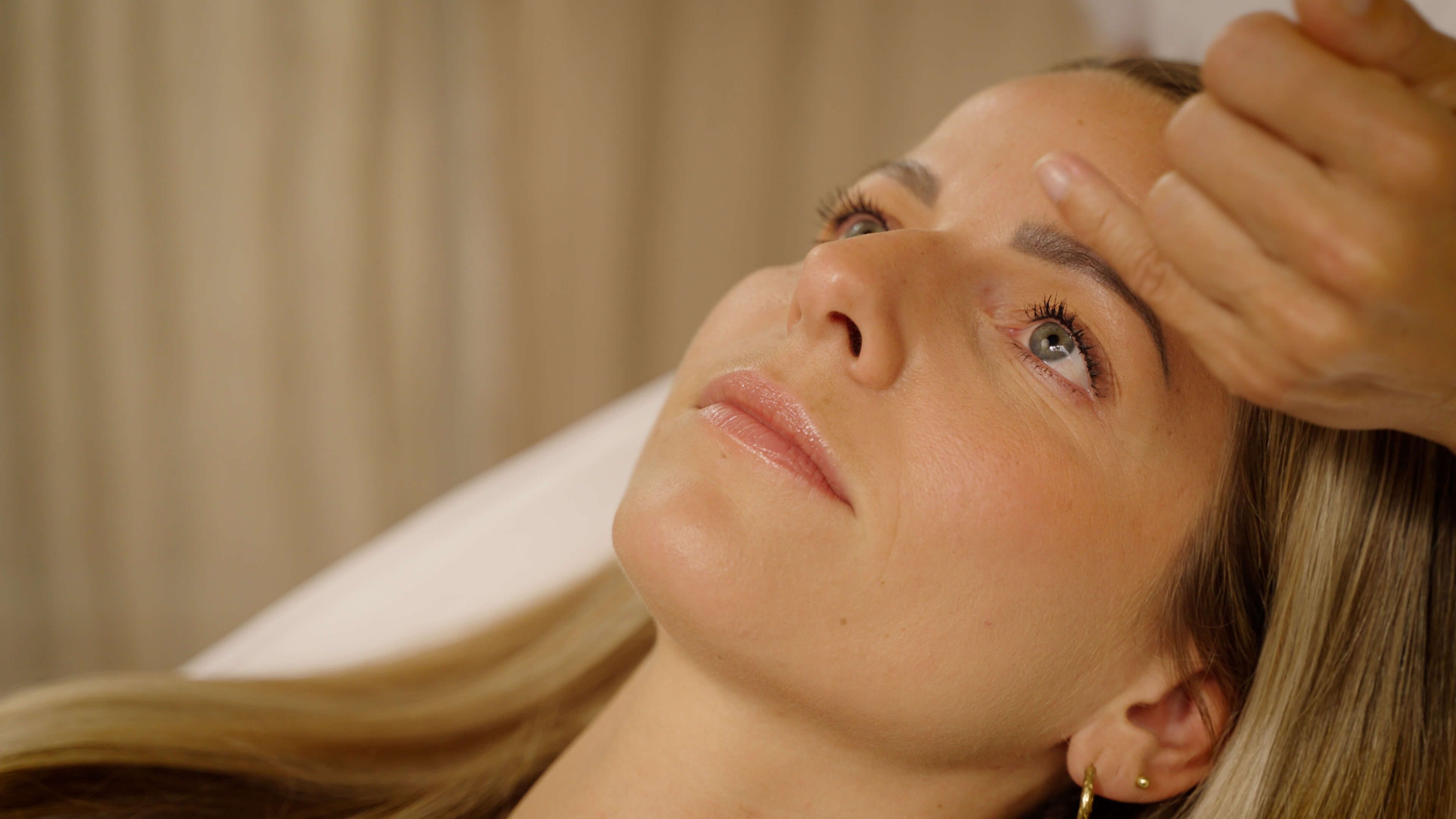
Complications rarely occur during an [upper eyelid correction](/behandelingen/ooglidcorrectie/bovenooglidcorrectie/). To prepare you for the procedure, we believe it's important that you are aware of any potential risks.
Every Procedure Carries Potential Complications
Complications rarely occur during an upper eyelid correction. To prepare you for the procedure, we believe it's important that you are aware of any potential risks. An upper eyelid correction is a relatively simple operation, yet every surgical procedure can carry complications. You should take this into account if you are considering an upper eyelid correction. In this blog, we discuss the most common complications and how they can best be prevented or resolved.
A Consultation with a Specialist Doctor is Half the Battle
If you have drooping upper eyelids and are bothered by them, an upper eyelid correction can offer a solution. It is wise to determine the cause of your problem before the procedure. Drooping eyelids cannot always be resolved by simply removing excess skin. To minimize complications, it is advisable to first consult a specialist doctor for an 'Eyelid Analysis' to determine the cause of your problem and define an appropriate treatment. During an analysis, factors such as:
- the amount of excess skin;
- skin thickness and flexibility;
- the shape and position of the eye socket;
- the position of the brow bone;
- the muscles around the eye socket.
Should the doctor determine that an upper eyelid correction is the right treatment for you, the excess skin above your eyes will be surgically removed. The doctor makes an incision which is then stitched precisely into the crease of your eyelid, making scars virtually invisible. Your tired look and the heavy feeling you experienced before the procedure will disappear, resulting in a fresh and rested appearance.
Preventing Complications
Before the upper eyelid correction, several steps can be taken to minimize complications as much as possible. You should request your medical history from your doctor or pharmacy, which is free of charge. Your medication use will also be inquired about before the procedure. By discussing this information with the doctor beforehand, the chance of allergies is reduced. It can happen that a patient is allergic to, for example, anesthesia, plasters, silicone, or disinfectants.
Risk Factors
- Alcohol & Smoking Drinking alcohol and smoking can lead to complications sooner. These factors can also slow down the recovery process. The doctor will discuss before the operation when you should stop and when you can start again.
- Blood thinners Medications such as aspirin or anti-thrombosis drugs should not be taken before the operation, as these medications increase the risk of complications.
Common Side Effects
An operation is always accompanied by side effects; these are often minimal with an upper eyelid correction and disappear on their own:
- Bruising The doctor makes incisions in the crease of the eyelid, which can cause blood extravasations. The bruising can be intense for the first four days, after which it slowly changes color and disappears. After two weeks, the bruises will have completely vanished. We advise you to cool immediately after the operation. You can also take Arnica drops for a few weeks before the operation to prevent bruising.
- Swelling After the upper eyelid correction, your eyes will swell, which is completely normal. By resting, the swelling will subside on its own.
- Numbness It can happen that your upper eyelid temporarily has no sensation. This feeling will return on its own after a few weeks or months.
Rare Complications
- Post-operative bleeding The eyelids are full of blood vessels, which is why bruising is common after an upper eyelid correction. In some cases, there is more blood present than normal after an operation. If the bleeding does not stop, it is wise to consult your doctor.
- Eyelid asymmetry In many cases, your eyelids are already asymmetrical before the operation. By removing the excess skin, the asymmetry often becomes even more noticeable. In many cases, this resolves on its own; if not, a repeat procedure may sometimes be necessary.
- Dry eyes It can happen that after the upper eyelid correction, you cannot fully close your eyes, which can lead to dry eyes. The anesthesia can cause the muscles not to work immediately; this will disappear after a few hours. If too much skin has been removed, you probably won't be able to close your eyes properly. Sometimes this can resolve on its own, and eye drops can help against dryness. If this problem does not resolve on its own, it must be surgically corrected.
- Infection After the operation, any pain should subside. If the pain intensifies, this could be due to an infection. We advise you to contact your doctor, who can then prescribe antibiotics if necessary. Infections resulting in a bulging eye are very rare.
To further minimize complications, we advise you to look for a BIG registered doctor and a clinic with good, substantive reviews. An attractive price for an eyelid correction cannot outweigh a complication that could actually have been prevented. It is, after all, your face!
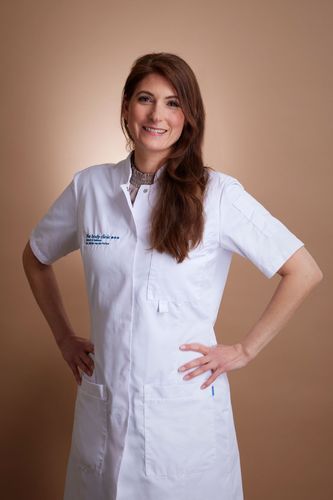
With over 9 years of experience in surgery and plastic surgery, Mirthe brings valuable expertise to aesthetic medicine. This surgical background contributes to her refined technique and in-depth knowledge of facial anatomy. Mirthe is known for her subtle, natural approach. Her specializations include eyelid treatments - both with PlexR and surgically -, under-eye bag treatments, and liquid facelifts. She performs these treatments with an eye for detail and harmony, always prioritizing a natural result. Within The Body Clinic, Mirthe plays an important role in guiding new and experienced doctors. She shares her knowledge and experience, ensuring that all doctors master the latest techniques and our high-quality standards. This way, we guarantee that every treatment meets the expertise you expect from The Body Clinic.
Related articles

May 7, 2021
May 7, 2021