What is acne?
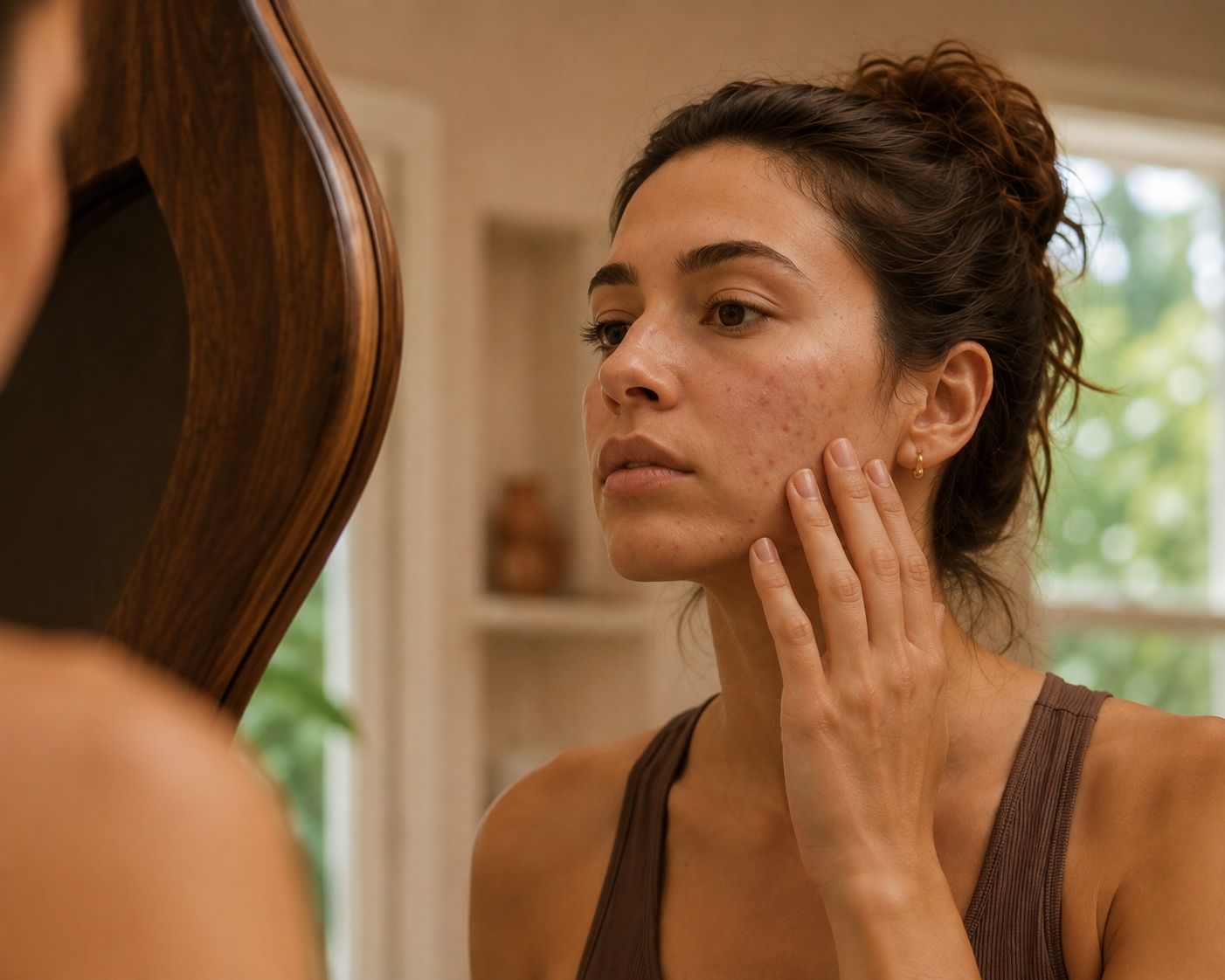
Acne is a common skin condition that affects the face, chest, and back. It is caused by clogged pores and overproduction of oil. Acne can be embarrassing and cause stress or anxiety, especially in teenagers and young adults.
Botox helps reduce sebum production
The main way Botox works to reduce acne is by reducing sebum production. Sebum is an oily substance produced by the sebaceous glands. When too much sebum is produced, it clogs the pores and leads to acne. By reducing sebum production, Botox can help reduce the amount of acne-causing bacteria on the skin.
Botox helps reduce inflammation
Botox can also reduce inflammation, one of the main causes of acne. Inflammation is caused by an increase in the production of substances called cytokines, which are responsible for inflammation. By blocking the production of cytokines, Botox can reduce inflammation and make acne disappear.
Acne scars can be reduced by Botox
In addition to reducing inflammation and sebum production, Botox can also help reduce acne scars. Acne scars are caused by the skin's attempt to repair itself after damage from acne. Botox helps reduce acne scars by relaxing the muscles around the scar. By relaxing these muscles, Botox helps smooth the skin and make the scar less visible.
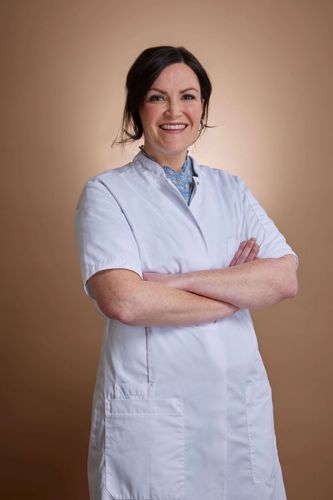
Consult an experienced cosmetic doctor
Botox is an effective treatment for acne and can be used in combination with other treatments, such as creams or laser treatments. It is important to consult a doctor before using Botox, as it can have side effects such as redness, bruising, and swelling.
Overall, Botox is a safe and effective way to reduce acne. It can reduce sebum production, counteract inflammation, and reduce acne scars. It is important to consult a cosmetic doctor before using Botox, as it can have side effects. With the help of a doctor, Botox can be used to reduce and even remedy acne.
Book a free consultation with our doctor to determine if Botox can potentially reduce your acne.