| Weight loss with injections | Gastric bypass | |
|---|---|---|
| What is it? | A weekly (or daily) injection that influences appetite and satiety | A surgery to make the stomach smaller, such as a gastric sleeve or gastric bypass |
| For whom? | BMI of 30 or higher, or 27 or higher with a weight-related condition | BMI of 40 or higher, or 35 or higher with a weight-related condition |
| Average weight loss in research | 8 to 21%, depending on the medication | 26 to 31% after three years, depending on the surgery |
| Intervention | No surgery; you administer the injection yourself | Laparoscopic surgery under general anesthesia; followed by lifelong vitamins and check-ups |
| Reversible? | Yes, you can stop (though weight often returns) | No, or only partially |
| Reimbursement | Wegovy and Mounjaro are not reimbursed for weight loss (2026) | Reimbursed by basic health insurance if you meet the conditions |
Medication is a first step for many people: without surgery and with medical supervision. Gastric bypass generally leads to more weight loss but is a major intervention that is only considered for a higher BMI. In this blog, you will read how both treatments work, what the results and risks are, what they cost, and how to choose.
How does weight loss with medication work?
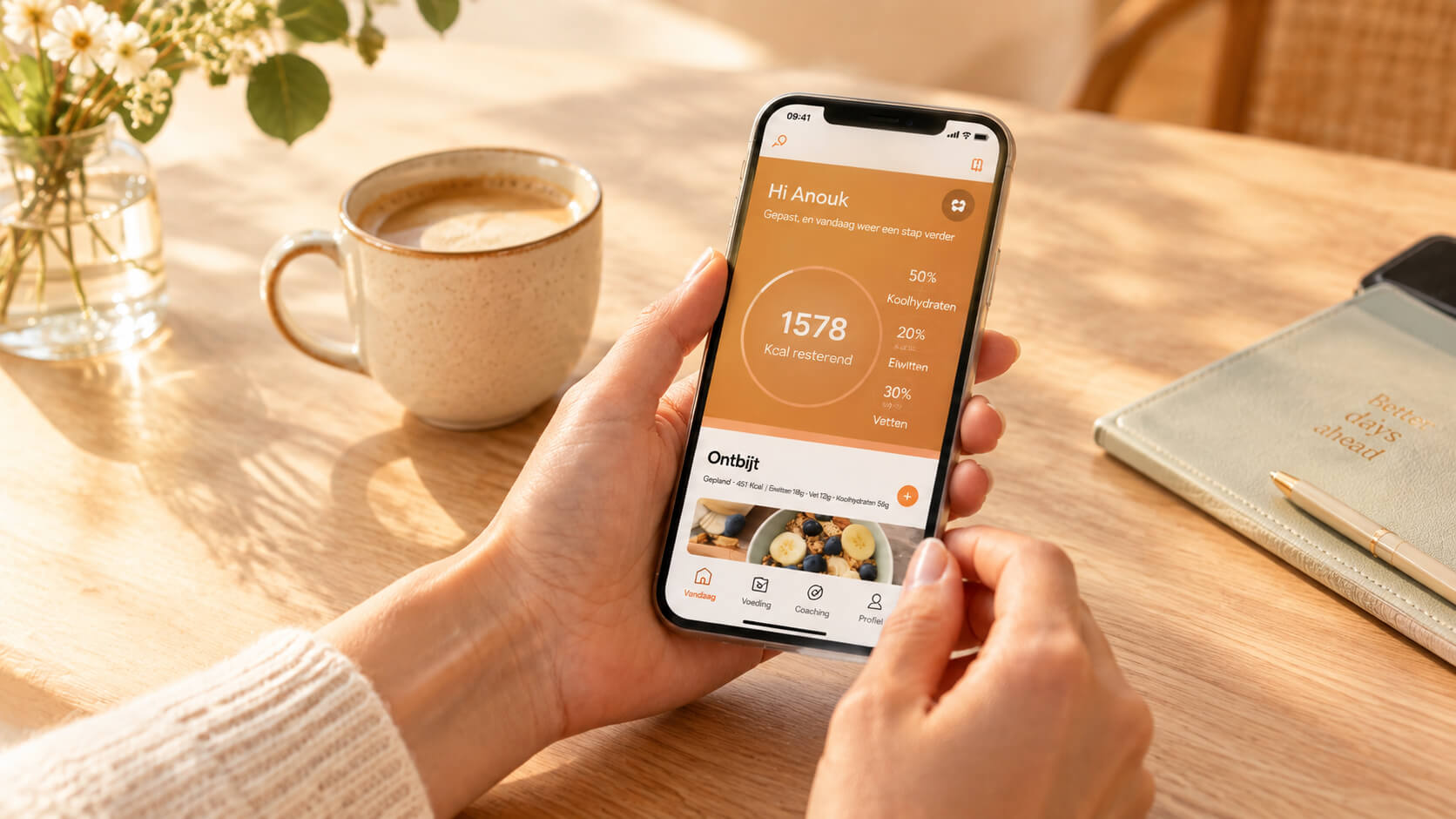
Weight loss medications such as Wegovy and Mounjaro mimic gut hormones that tell your brain you are full. You feel less hungry, are satiated faster, and your stomach empties more slowly. As a result, you naturally eat less without constantly fighting your appetite. The most commonly used medications are: • Mounjaro (tirzepatide): one injection per week, acts on GIP and GLP-1 hormones. In the SURMOUNT-1 study, participants on the highest dose (15 mg) lost an average of 20.9% of their weight after 72 weeks. • Wegovy (semaglutide): one injection per week, acts on GLP-1. In the STEP-1 study, an average of 14.9% weight loss after 68 weeks. • Saxenda (liraglutide): one injection per day, acts on GLP-1. In the SCALE study, an average of 8.0% weight loss after 56 weeks. The dose is gradually built up over a few months so that your body can adjust. Medication works as long as you use it: those who stop often regain a large part of the weight. Therefore, it always includes guidance on nutrition, exercise, and lifestyle, and a plan for the period after medication. Read more about how it works in our blog what is tirzepatide?
How does gastric bypass work?
With gastric bypass (bariatric surgery), a surgeon permanently reduces the size of your stomach via laparoscopic surgery. You can then only eat small portions, and the surgery also changes the hormones that regulate hunger and satiety. In the Netherlands, these are the two most frequently performed surgeries:
- Gastric sleeve: approximately two-thirds of the stomach is removed. What remains is a narrow tube, allowing you to eat less. If someone does not lose enough weight, a sleeve can later be converted into a gastric bypass.
- Gastric bypass: a small stomach pouch is created and connected directly to the small intestine. You can eat less and your body absorbs fewer nutrients. Reflux symptoms often improve after a bypass, while they often worsen after a sleeve. Both surgeries are laparoscopic; usually, you can go home after one day. The surgery is part of a longer process: beforehand, you follow a preparatory treatment program in the hospital, and afterwards, a daily multivitamin is advised for life, as deficiencies in vitamins and minerals are common.
How much weight do you lose? Results compared
Gastric bypass generally leads to the most weight loss. In a Dutch study with data from the mandatory national registration of all stomach surgeries (DATO), adults aged 35 to 55 years lost an average of 31.2% of their weight three years after a gastric bypass, and 26.2% three years after a gastric sleeve.
| Treatment | Average weight loss | Measured after | Study |
|---|---|---|---|
| Gastric bypass | 31.2% | 3 years | DATO, Netherlands (adults 35–55 years) |
| Gastric sleeve | 26.2% | 3 years | DATO, Netherlands (adults 35–55 years) |
| Mounjaro 15 mg | 20.9% (placebo 3.1%) | 72 weeks | SURMOUNT-1 |
| Wegovy 2.4 mg | 14.9% (placebo 2.4%) | 68 weeks | STEP-1 |
| Saxenda 3.0 mg | 8.0% (placebo 2.6%) | 56 weeks | SCALE |
These figures come from different studies, with different participants and measurement times. Therefore, they are not directly comparable. How much weight you lose depends on your starting weight, your health, and your eating and lifestyle patterns. With both routes, weight can return. According to the literature, about a quarter of people after a gastric bypass do not lose enough weight in the long term or regain it. With medication, the result strongly depends on continued use: in the SURMOUNT-4 study, people who stopped tirzepatide after 36 weeks regained an average of 14% in the following year, while those who continued lost another 5.5%.
For whom is each treatment intended?
The biggest difference is your BMI. Medication can be used from a BMI of 27 with weight-related complaints; for gastric bypass, it is 35 or higher. Weight loss with medication can be prescribed for:
- a BMI of 30 or higher (obesity), or
- a BMI of 27 to 30 with at least one weight-related condition, such as high blood pressure, type 2 diabetes, high cholesterol, or sleep apnea. Gastric bypass is eligible in the Netherlands for:
- a BMI of 40 or higher, or
- a BMI of 35 or higher with a condition worsened by overweight, such as type 2 diabetes, high blood pressure, sleep apnea, or severe joint complaints. Since June 2026, gastric bypass will also be reimbursed for a small group of young people aged 13 to 18 with severe obesity, if intensive lifestyle guidance is not sufficient. With a BMI below 35, you do not meet the conditions for reimbursed gastric bypass; medication is then the medical treatment option. From a BMI of 35 with a weight-related condition, or from 40, both routes are possible.
Risks and side effects
Medication primarily causes temporary gastrointestinal complaints; gastric bypass carries the risks of surgery and permanent consequences for your eating and nutrient absorption. With medication, nausea, diarrhea, constipation, vomiting, and bloating are common. In the SURMOUNT-1 study, these complaints were mostly mild to moderate and occurred mainly during dose escalation. Less often, but more seriously, are pancreatitis and gallstones; gallstones occurred in STEP-1 in about 2% of people using semaglutide.
With gastric bypass, it involves: • Surgical risks: serious complications are rare. In the national registration (DATO), a life-threatening complication requiring intensive care admission occurred in 0.6% (2015) and 0.8% (2016) of operated patients. • Post-operative complaints: including nausea and vomiting, dumping syndrome (symptoms due to rapid gastric emptying), bloating, changes in bowel movements, and temporary hair thinning. • Vitamin and mineral deficiencies: including vitamin B12, iron, folic acid, and vitamin D. Therefore, a daily multivitamin is advised for life, with regular blood tests. • Per surgery: reflux symptoms often worsen after a sleeve. Approximately 10% of people experience persistent or recurrent abdominal pain after a gastric bypass. Surgery is not or hardly reversible. This is the biggest difference from medication, which you can stop or switch in consultation with your doctor.
What does it cost and is it reimbursed?
Gastric bypass is reimbursed by basic health insurance if you meet the conditions; new weight loss medication for obesity is usually not. Gastric bypass: covered by basic health insurance if you meet the BMI conditions. You only pay your deductible. Medication: Wegovy and Mounjaro are not reimbursed for weight loss in 2026. You pay for them yourself. Only Saxenda can be reimbursed under strict conditions: for a BMI above 40, or above 35 with a condition such as cardiovascular disease, sleep apnea, or osteoarthritis, AND if you are not yet eligible for surgery. Mounjaro and Ozempic can be reimbursed for type 2 diabetes.
This may change. The Dutch Health Care Institute (Zorginstituut) will assess in 2026 whether Wegovy and Mounjaro for obesity will be included in the basic package. This will first look at people with a BMI of 35 or higher, or 30 or higher with a weight-related condition. The first discussion in the Scientific Advisory Board was scheduled for October 5, 2026; when a decision will be made is not yet known. Read more in our blog Will Mounjaro or Wegovy be reimbursed soon?
Can you combine medication and gastric bypass?
Yes. They are not mutually exclusive:
-
Medication after gastric bypass: in the BARI-OPTIMISE study, 70 people who had lost 20% or less at least one year after their surgery received Saxenda (liraglutide 3.0 mg) or a placebo. After 24 weeks, they had lost an additional 8.8% with Saxenda, compared to 0.5% with placebo. Almost all participants had a gastric sleeve. Medication after surgery always occurs in consultation with the treatment team.
-
Medication instead of surgery: even those who meet the conditions for gastric bypass can first discuss medication with a doctor. Surgery remains possible afterward.
Medication or gastric bypass: how to choose?
There is no one route that is best for everyone. These questions help you make the choice with your doctor:
- What is your BMI? Below 35, you are not eligible for surgery, so medication is the medical option. From 35 with complaints, or from 40, you can consider both.
- How much weight do you need to lose for your health? If significant weight loss is needed to improve, for example, diabetes or sleep apnea, surgery generally has the greatest effect.
- Do you want surgery? A gastric bypass is permanent. Medication can be stopped or adjusted, but only works as long as you use it.
- What about the costs? Surgery is reimbursed if you meet the conditions; medication is in most cases paid for by yourself, and often long-term.
- What complaints do you already have? Reflux, gastrointestinal diseases, or a previous pancreatitis can influence the choice. Medication is a first step for many people: without surgery and with medical supervision. Gastric bypass generally leads to more weight loss but is a major intervention that is only considered for a higher BMI.
Do you doubt which route suits you? Discuss it with a doctor or your GP. Read more about the medical route without surgery on our medical weight loss page.