
Summary
- Swimming is effective for weight loss because it trains many muscle groups simultaneously and places little stress on joints, making it suitable for people with overweight or injuries.
- Losing weight with swimming works best in combination with a balanced diet, creating a calorie deficit and ensuring adequate protein and fiber intake.
- You cannot spot-reduce fat, so swimming helps reduce belly fat as part of overall fat loss.
- For beginners, swimming 20-30 minutes twice a week is a good starting point, with regularity being more important than one intense workout.
- The best swimming style for weight loss is the one you master technically and can maintain for long enough. The breaststroke is accessible, and the front crawl is efficient.
Is swimming good for losing weight?
Yes, swimming can be very helpful for weight loss. When you swim, you use many muscle groups at once. You train your legs, arms, shoulders, back, and core, among other areas. This allows swimming to increase your energy expenditure and improve your fitness.
Swimming is particularly interesting because it involves low impact. In water, your joints are less stressed than during sports like running. This makes swimming suitable for many people who want to lose weight but suffer from knee, hip, back issues, or overweight.
However, the basic principle remains the same: you only lose weight if your total energy balance is correct. So, swimming primarily helps if it contributes to a calorie deficit.
Read also: Calorie deficit.
Can you lose weight with swimming alone?
It's possible, but not guaranteed. Swimming increases your calorie expenditure, but if you eat or drink more after swimming, the effect can be negated.
Many people feel hungry after swimming. This is not unusual, as swimming consumes energy, and the water can sometimes amplify hunger. Therefore, it's important to consider your nutrition in your approach.
Losing weight with swimming works best if you:
- swim regularly
- do not unconsciously increase your food intake
- eat enough protein
- get enough vegetables and fiber
- remain active outside of swimming
- add strength training or muscle-strengthening exercises
Swimming is a strong building block, but not a license to eat without limits.
Is swimming good against belly fat?
Swimming can help lower your overall body fat percentage, but you cannot specifically burn belly fat. Your body decides where fat disappears first.
Belly fat usually decreases when you lose overall fat over a longer period. Swimming can contribute to this by increasing your energy expenditure and improving your fitness.
For belly fat, the following are particularly important:
- total calorie intake
- exercise and training
- strength training
- sleep
- stress
- alcohol consumption
- protein intake
- medical factors such as insulin resistance
So, swimming can be part of an approach against belly fat, but it does not work locally on your abdomen alone.
Calorie expenditure during swimming
Calorie expenditure during swimming depends heavily on your body weight, swimming style, technique, pace, water temperature, and training duration. Swimming breaststroke leisurely consumes less energy than intense front crawl or interval training.
Broadly speaking:
| Type of swimming | Intensity | What does this mean practically? |
|---|---|---|
| Leisurely swimming | light to moderate | Good for beginners and recovery |
| Breaststroke at a steady pace | moderate | Suitable for longer sessions |
| Front crawl or backstroke | moderate to intense | Technique greatly determines how strenuous it feels |
| Interval swimming | intense | Good for fitness, but more taxing |
| Aqua jogging or aqua fitness | light to moderate | Joint-friendly and accessible |
Always consider calorie expenditure as an estimate. The most important thing is not the exact number per session, but whether swimming helps to make your weekly routine more active.
How often should you swim to lose weight?
For health and weight management, regularity is more important than one intense workout. For many people, swimming 2 to 4 times a week is a good foundation.
A practical build-up:
- beginner: 2 times a week for 20 to 30 minutes
- lightly advanced: 3 times a week for 30 to 45 minutes
- advanced: 3 to 4 times a week for 45 to 60 minutes
- extra goal-oriented: combine with strength training and daily movement
Guidelines for adults recommend 150 to 300 minutes of moderately intense activity per week or 75 to 150 minutes of intense activity. Swimming can contribute significantly to this.
Lose weight with swimming schedule for beginners
Start slowly. The goal is not to exhaust yourself in week 1, but to build a rhythm you can maintain.
Week 1 and 2
- 2 swimming sessions per week
- 20 to 30 minutes per session
- calm pace
- breaks when needed
- focus on technique and breathing
Week 3 and 4
- 2 to 3 swimming sessions per week
- 30 to 40 minutes per session
- alternate leisurely swimming with short, faster bursts
- maintain good swimming technique
Week 5 and beyond
- 3 sessions per week
- 35 to 50 minutes per session
- 1 leisurely endurance swim
- 1 technique training
- 1 training with short intervals
Example interval:
- 5 minutes leisurely warm-up swim
- 6 times 1 lap faster swimming
- leisurely swim back after each fast lap
- 5 minutes leisurely cool-down swim
Adjust the schedule if you experience shoulder, neck, back pain, or extreme fatigue.
Which swimming style is best for losing weight?
There isn't one single best swimming style. The best swimming style is the one you perform technically well and can maintain for long enough.
| Swimming style | Advantage | Note |
|---|---|---|
| Breaststroke | Accessible and easy to build up | Can strain neck or knees with incorrect technique |
| Front crawl | Efficient and conditionally strong | Technique and breathing are important |
| Backstroke | Good for posture and back muscles | Orientation in the pool may take getting used to |
| Butterfly stroke | Very intense | Not suitable as a starting point for most beginners |
| Aquafitness | Low-impact and joint-friendly | Calorie expenditure depends on intensity |
For beginners, breaststroke is often the easiest, but front crawl can eventually be more efficient if your technique is good.
How does swimming change your body shape?
Swimming can change your body shape, especially when combined with an appropriate diet. You can become fitter, improve your posture, and build more muscle endurance.
Possible changes:
- lower body fat percentage
- stronger back and shoulders
- improved fitness
- firmer core
- better posture
- more energy
- less joint stress than some other sports
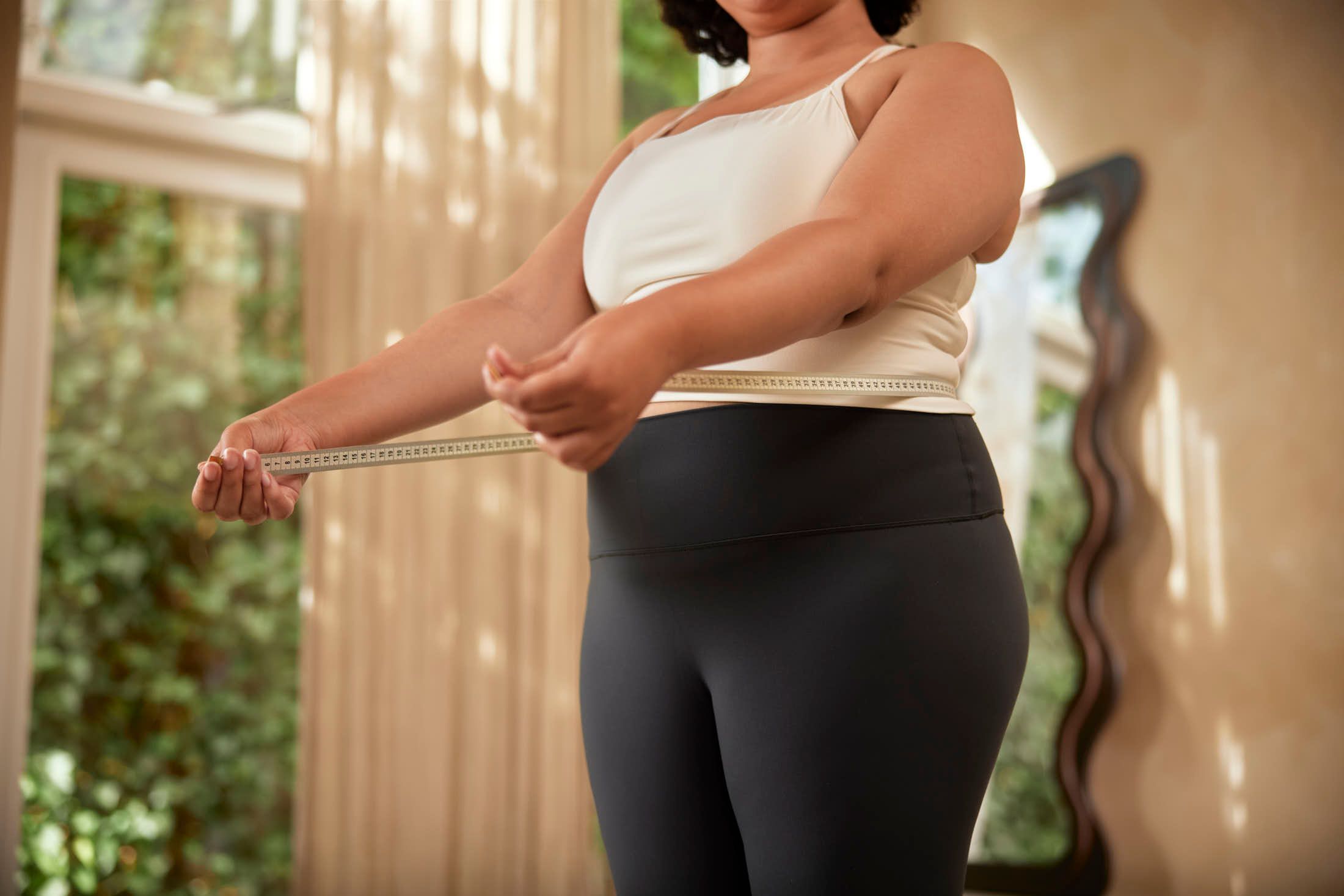
Scale weight doesn't always reflect this immediately. You can become stronger and fitter while your weight temporarily changes little. Therefore, also measure waist, clothing fit, fitness level, and how your body feels.
Can you lose 5 kilos in a month by swimming?
Some people can lose 5 kilos in a month, but this is not realistic or advisable for everyone. It depends on starting weight, diet, activity, fluid loss, and health.
If you're just starting, weight might drop faster initially due to fluid and less intestinal content. That's not the same as 5 kilos of fat loss.
For most people, it's wiser to aim for a gradual pace. Swimming can support this, but an extremely fast goal increases the risk of:
- hunger
- relapse
- muscle loss
- fatigue
- injuries
- disappointment
Focus instead on a rhythm you can maintain for months.
Combining swimming and strength training
Swimming is primarily endurance training with muscle activation through water resistance. For muscle preservation and body composition, strength training is also valuable.
A good combination:
- 2 to 3 times a week swimming
- 2 times a week strength training or muscle-strengthening exercises
- daily walking or movement
- eating sufficient protein
- planning sufficient recovery
Strength training doesn't have to be complicated. Think of squats, lunges, hip hinges, push-ups, rows, planks, and exercises with resistance bands or machines.
Read also: Maintaining muscle mass during a calorie deficit.
Eating after swimming
You might feel hungry after swimming. This doesn't have to be a problem, as long as you have planned meals ready. This prevents you from unconsciously eating more than you've burned after a workout.
Good options after swimming:
- quark or skyr with fruit
- whole-wheat bread with egg or cottage cheese
- meal salad with chicken, tofu, or legumes
- potatoes with vegetables and fish
- oatmeal with yogurt
- soup with a protein source
Pay special attention to high-calorie “rewards” after exercise, such as large snacks, sugary drinks, or extra alcohol. These can quickly nullify the calorie deficit.
Swimming with overweight or joint complaints
Swimming is a good choice for many people with overweight or joint complaints, as the water supports part of the body weight. This often results in less stress on knees, hips, and back than with running.
Swimming can be suitable for:
- overweight
- low fitness levels
- knee pain
- hip pain
- back pain
- rehabilitation after injury, if permitted
- difficulty walking or running
In case of medical conditions, it is advisable to start slowly and, if necessary, consult a doctor or physiotherapist.
Common mistakes when losing weight by swimming
Losing weight with swimming often gets stuck due to the same pitfalls.
Common mistakes:
- wanting too much too fast
- eating extra much after swimming
- overestimating calorie expenditure
- only focusing on the scale
- not planning protein intake
- too little daily movement outside of swimming
- not doing strength training
- ignoring technique
- ignoring shoulder or neck pain
Swimming works better if you see it as part of your weekly structure, not as a separate compensation for eating.
Swimming with GLP-1 medication
If you are using GLP-1 medication, swimming can be a good low-impact exercise option. However, you should account for reduced appetite, gastrointestinal complaints, and possibly insufficient energy or fluids.
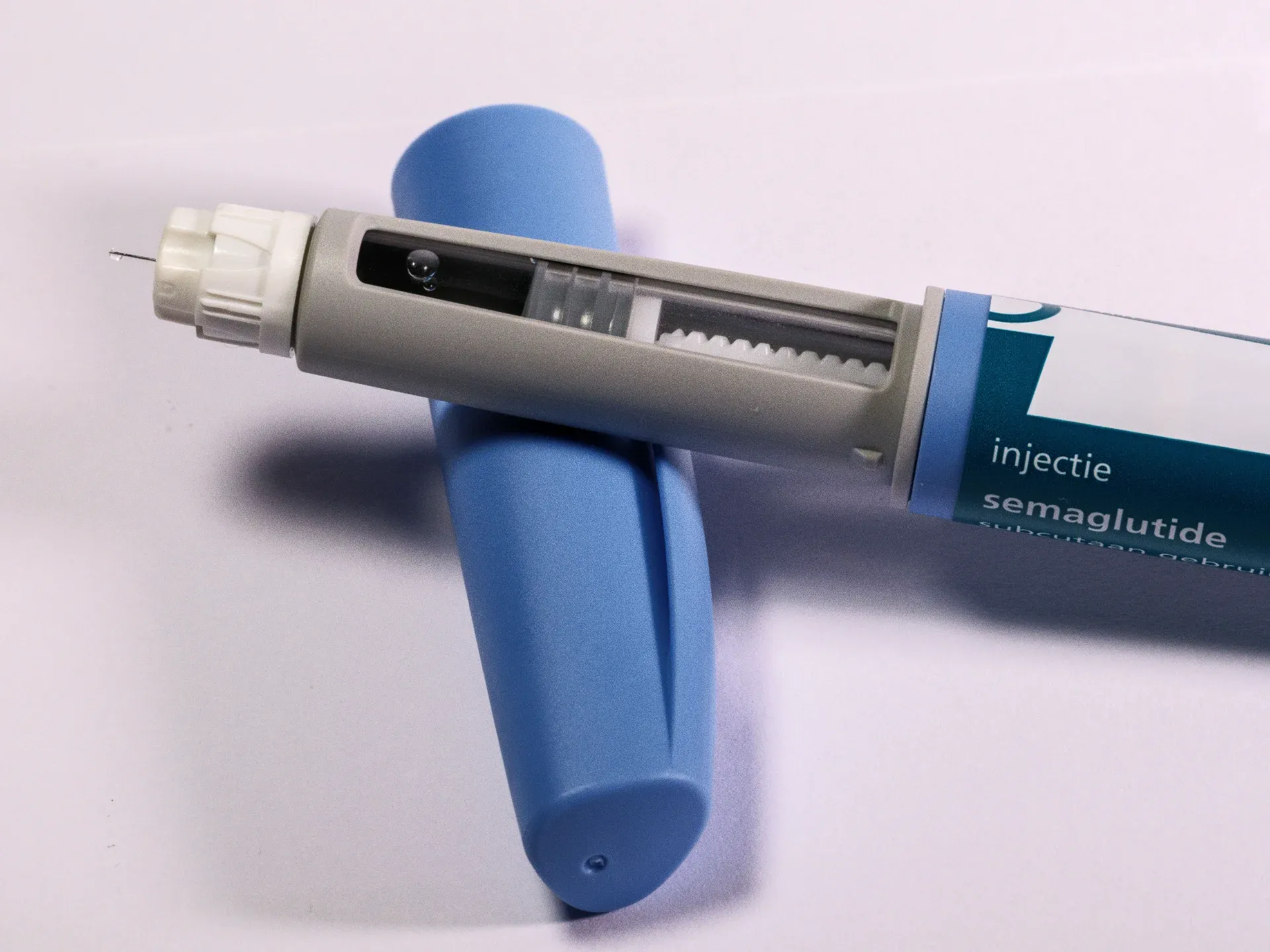
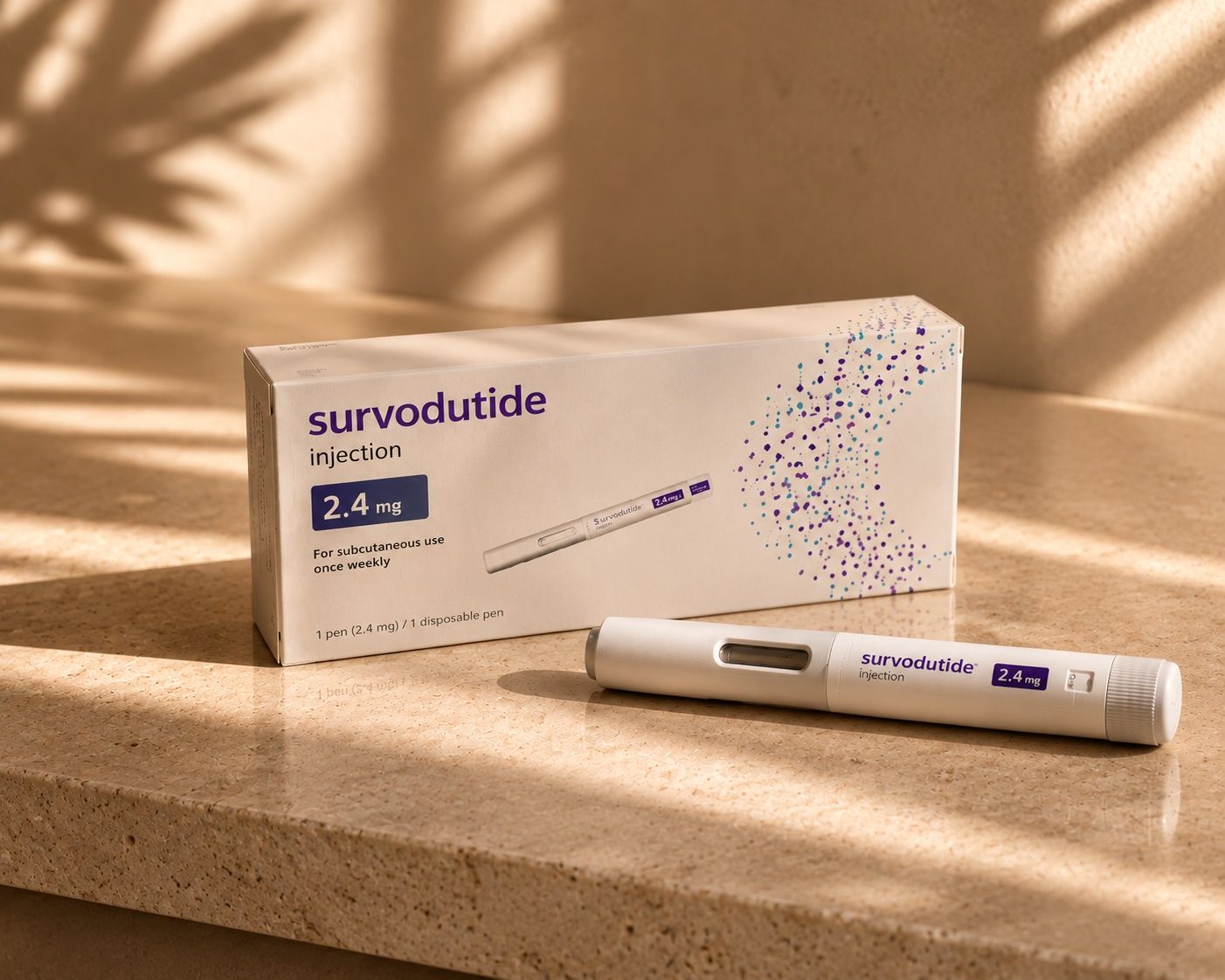
Examples of drugs in this treatment area include Wegovy, Ozempic, Saxenda, and Mounjaro. Wegovy contains semaglutide and is used within the registration framework for weight management. Ozempic also contains semaglutide but is registered for adults with type 2 diabetes. Saxenda contains liraglutide. Mounjaro contains tirzepatide.
Pay extra attention to:
- drinking enough fluids
- not exercising intensely on an empty stomach if it makes you dizzy
- sufficient protein
- signals such as nausea, weakness, or dizziness
- recovery after training
- consult your doctor if you have diabetes medication or a risk of hypoglycemia
Swimming and medical weight loss
Swimming can be a valuable form of exercise within a weight loss program, but it does not replace medical treatment. In cases of obesity, type 2 diabetes, hormonal problems, strong food cravings, or recurring yo-yo effects, additional guidance may be necessary.
Sometimes, within a medical treatment, medication specifically registered for weight management in adults with obesity or overweight with weight-related conditions is also considered. Which approach is appropriate depends on your medical situation, BMI, health, lab values, contraindications, and previous treatments.
More general information on this can be found in our overview of weight loss medications.
Conclusion
Losing weight by swimming can work well if swimming helps increase your energy expenditure and makes your overall lifestyle more active. It is joint-friendly, trains many muscle groups, and for many beginners, it is easier to sustain than sports with high impact.
Swimming does not burn targeted belly fat and does not automatically lead to weight loss. It works best in combination with a feasible calorie deficit, sufficient protein, daily movement, and possibly strength training.
Start slowly, build up, and don't just focus on the scale. Fitness, waistline, clothing fit, strength, and sustainability are at least as important.
Frequently asked questions
Does swimming help with weight loss?
Yes, swimming can help with weight loss because it increases your energy expenditure and uses many muscle groups. You only lose weight if a calorie deficit occurs over a longer period.
Can you lose weight by swimming?
Yes, you can. Swimming works best if you train regularly and do not unconsciously compensate for your food intake by eating more.
Is swimming good for belly fat?
Swimming can help reduce your overall body fat percentage, but it does not burn localized belly fat. Belly fat decreases as you lose overall fat.
How often should you swim to lose weight?
For many beginners, 2 times a week for 20 to 30 minutes is a good start. Afterwards, you can build up to 3 to 4 sessions per week, depending on your fitness level and recovery.
Can you lose 5 kilos in a month by swimming?
That can happen for some people, but it is not realistic or advisable for everyone. Focus instead on a gradual pace that you can maintain for longer.
Which swimming style burns the most calories?
Intense styles like front crawl or butterfly can consume a lot of energy, but only if your technique is good enough. For most people, the style they can maintain for a long time is the most effective.
What should you eat after swimming to lose weight?
Choose a meal or snack with protein, fiber, and not too many calories. Think of quark with fruit, whole-wheat bread with egg, salad with chicken or tofu, or potatoes with vegetables and fish.
Is swimming better than walking for weight loss?
Not necessarily. Swimming can provide more intensity and is joint-friendly, but walking is easier to do daily. The best choice is the activity you can stick with.