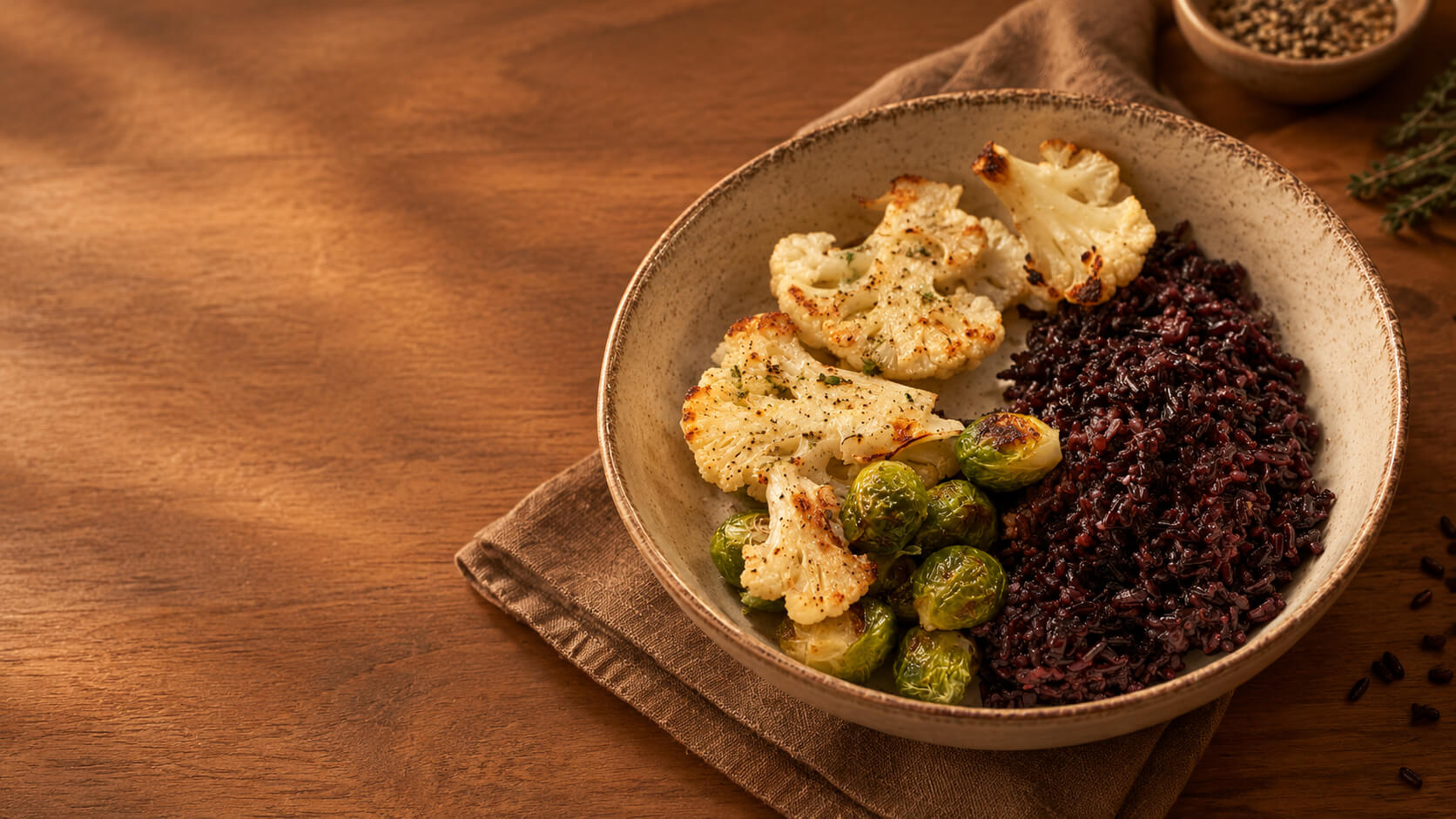
However, when losing weight with rice, it's not just about the rice itself, but the entire meal: the type of rice, portion size, protein source, amount of vegetables, preparation, and your calorie balance determine whether rice helps you lose weight.
A classic rice diet, where you eat very one-sidedly for an extended period, is not medically advisable. It might lead to fewer calories in the short term, but often provides insufficient protein, fat, and variety. It's smarter to use rice as part of a varied diet, for example, with vegetables, legumes, fish, tofu, egg, or lean meat.
Do you want more structure in your diet? Then the principle of a calorie deficit is more important than individual foods. Rice fits well into a calorie deficit. However, it won't make you thin by itself and won't prevent weight gain if, in the long term, you consume more energy than you expend.
What is Rice?
Rice is the seed of the plant Oryza sativa and nutritionally belongs to cereal products. Depending on how much the grain is processed, a distinction is primarily made between whole grain rice and refined rice. With whole grain rice, the bran and germ are retained. With white rice, these outer layers are removed.
This changes the color, texture, cooking time, and nutritional value. Whole grain rice usually contains more fiber, minerals, and bioactive plant compounds than white rice. White rice has a milder taste, cooks faster, and is easier to digest for some people. Which type suits you best therefore depends not only on your weight loss goal but also on what you tolerate well, your daily life, and the rest of your diet.
Which Types of Rice Are There?
For a rice diet or a calorie-conscious eating pattern, it's useful to know the main types of rice. No type is 'forbidden' in principle. However, there are differences in fiber, nutrients, satiety, and how easily you can use them in your daily life.
| Rice Type | Characteristics | Important for Weight Loss |
|---|---|---|
| White rice | peeled and polished, mild taste, cooks quickly | easy to portion, but usually lower in fiber than whole grain rice |
| Brown rice | whole grain rice where the outer layers are retained | provides more fiber and often gives a longer feeling of fullness |
| Whole grain Basmati | aromatic long-grain rice in a whole grain variant | good combination of ease of use and higher fiber content |
| Jasmine rice | aromatic rice with a softer texture | often eaten white, so pay extra attention to portion and combination |
| Black, red or purple rice | colored varieties with bioactive plant compounds | nutritionally interesting, but often more expensive and more distinct in flavor |
| Wild rice | botanically not true rice, but the grain of an aquatic grass | more bite and variation, often available as a mix with rice |
White Rice
White rice is peeled and polished rice. The bran and germ are removed, making the rice last longer, cook faster, and have a softer texture. At the same time, the content of fiber and certain micronutrients decreases. White rice is not automatically unsuitable if you want to lose weight. Just portion it consciously and combine it with protein and vegetables.
Brown Rice and Whole Grain Rice
Brown rice is the whole grain variant. Because the outer layers are retained, this rice provides more fiber and usually more magnesium, potassium, and B vitamins than white rice. The German Nutrition Society (DGE) advises choosing whole grain variants more often for grain products, as whole grains provide longer satiety and more nutrients.
Are you wondering which rice is best for weight loss? For many people, whole grain rice is the most logical standard choice. However, it does not replace a balanced meal. Whole grain rice also provides calories, so portion it according to your personal energy balance.
Colored Rice, Basmati, Jasmine Rice, and Wild Rice
Black, red, and purple rice contain natural pigments such as anthocyanins and other phenolic compounds. These bioactive plant compounds are nutritionally interesting but do not automatically make colored rice a weight-loss product. The meal as a whole remains decisive.
Basmati and Jasmine rice are aromatic long-grain varieties. You can find both in white and sometimes in whole grain form. Whole grain Basmati is a good compromise for many people because it is aromatic, fluffy, and contains more fiber than white rice. Wild rice is botanically not true rice, but its firm taste and bite add variety to your meals.
Is Rice Suitable for Gluten Intolerance?
Pure rice is naturally gluten-free. Therefore, rice is in principle suitable for a gluten-free diet, including for celiac disease or gluten intolerance. However, always check processed rice products, spice mixes, ready-made meals, and rice mixes carefully. They may contain gluten-containing additives or suffer from cross-contamination.
Has a doctor diagnosed you with celiac disease? Then consistently follow a gluten-free diet and preferably seek guidance from a dietitian. Especially for ready-made products, a gluten-free label or a clear indication on the packaging is important.
Is a Rice Diet Good for Weight Loss?
A rice diet for weight loss only works if it creates a calorie deficit. Rice itself does not cause weight loss. That effect only occurs if your diet provides less energy than your body expends over a longer period.
A rice diet becomes a problem if it is very one-sided. If you eat almost only rice, you often consume too little protein, healthy fats, vegetables, fruit, and important micronutrients. This makes such a diet difficult to sustain and increases the risk of cravings, fatigue, or muscle loss.
A meal structure where rice has a fixed place is better. This setup is a good starting point:
- a moderate portion of rice as a carbohydrate source,
- a clear protein source, such as fish, legumes, tofu, egg, yogurt, or chicken,
- plenty of vegetables for volume, fiber, and micronutrients,
- a small amount of healthy fats, for example from olive oil, nuts, or avocado,
- preparation with few highly processed sauces, sugar, or large amounts of oil. If you build your meals this way, rice fits well into sustainable weight loss. For more volume on your plate, you can combine rice very well with vegetables. Also read our article on losing weight with vegetables for practical tips to stay full.
Rice, Calories, and Weight Loss: What Really Matters?
When it comes to rice, calories, and weight loss, portion size is especially crucial. Uncooked rice may seem like little, but it absorbs a lot of water during cooking. Therefore, always clearly distinguish between uncooked and cooked weight: they are not comparable.
A feasible portion, depending on your energy needs, activity, and goal, is often a moderate side dish. If you use rice as the main component of a bowl or stir-fry dish? Then plan the amount consciously and fill your plate with vegetables and protein. Large portions of rice with fatty sauces, fried side dishes, or sweet toppings can quickly increase your calorie balance.
A useful guideline is plate division:
- about half of your plate vegetables or salad,
- about a quarter protein source,
- about a quarter rice or another filling side dish,
- consciously dosing fats instead of estimating oil, nuts, or sauces by eye. If you want to evaluate rice not only on calories but also on satiety and nutritional value? Then whole grain rice usually scores better than white rice. Still, white rice can also be a good choice if you tolerate it better or if it is part of a balanced meal.
What's Better for Weight Loss: Potatoes, Oats, or Rice?
None of these foods are definitively 'the best.' Potatoes, oats, and rice all fit into a weight loss journey. What counts is the preparation, portion size, satiety, what you tolerate well, and the rest of your diet.
| Food Item | Benefit for Weight Loss | What to Watch Out For |
|---|---|---|
| Potatoes | high volume, often good satiety, low in calories with low-fat preparation | fries, chips, butter, cream, and mayonnaise greatly increase energy density |
| Oats | rich in soluble fiber, good for breakfast and fixed meal times | consciously portion oats, nuts, honey, chocolate, or toppings |
| Rice | easily digestible, versatile, easy to portion, especially useful as a whole grain variant | large portions and calorie-rich sauces can tip the balance |
Potatoes often score well in satiety research. Boiled, steamed, or baked, they fit perfectly into a calorie-conscious diet. You can read more about this in our article on losing weight with potatoes.
Oats provide soluble fibers such as beta-glucan and can support satiety. Do you want to compare breakfast options? Then read our article on losing weight with oats. Rice is particularly practical if you tolerate it well and eat it as part of a balanced meal.
Can You Eat Rice in the Evening?
Yes, you can eat rice in the evening. For your body weight, the time of day is not decisive, but rather your total energy balance throughout the day. A moderate portion of rice in the evening fits perfectly, as long as the meal as a whole is balanced.
A combination of rice, protein, and vegetables is a smart choice. This usually provides better satiety than a large portion of rice without other components. Are you very hungry in the evening? Then you often benefit from whole grain rice or a mix of rice with fiber-rich foods. It's not eating rice in the evening that's the problem, but a consistently too high calorie intake.
When is Rice Less Suitable for Weight Loss?
Rice is not the best choice in every situation. A rice diet is less favorable if it is very one-sided, contains hardly any protein, or mainly revolves around large portions. Also, with diabetes, insulin therapy, kidney diseases, gastrointestinal complaints, or eating disorders, it is wise to adjust your diet under the guidance of a doctor or dietitian.
Another point of attention is variety. Rice can contain traces of inorganic arsenic. The amount varies by type, origin, and preparation. For most adults, eating rice occasionally within a varied diet is not a problem. However, a very monotonous diet with large quantities of rice is not advisable. Therefore, alternate rice with potatoes, oats, whole grain pasta, legumes, vegetables, and other filling side dishes.
Medically Supervised Weight Loss in Combination with a Rice Diet
A rice diet can be a good part of your approach if you like simple, easy-to-plan meals. However, there are situations where simply adjusting your diet is not enough, for example, with severe overweight, strong feelings of hunger, a recurring yo-yo effect, or weight-related conditions.
In such cases, medically supervised weight loss can help to systematically assess your situation. It's not about prohibiting rice or other foods, but about a plan that suits your health, daily life, and goals.
Do you want to lose weight without medication? Then a program with nutritional guidance might suit you well. Do you have obesity, strong feelings of hunger, or certain co-existing conditions? Then, after assessment by a doctor, weight loss medications may also be an option. However, medications do not replace balanced nutrition, exercise, or medical monitoring.
Do you want to know in advance what costs are associated with a medically supervised program? Then view our price list for an overview. Are you unsure whether medical supervision is right for you? Book an appointment and discuss with a doctor which next steps make sense.
Conclusion: Rice Can Help with Weight Loss, But Not on Its Own
Losing weight with rice can work if you portion rice correctly and make it part of a balanced diet. Especially whole grain rice or whole grain Basmati can be more beneficial than white rice due to the extra fiber and nutrients. White rice is not per se unsuitable, as long as the portion size and the composition of your meal are correct.
An extreme rice diet, on the other hand, is not advisable. For sustainable weight loss, a calorie deficit, sufficient protein, plenty of vegetables, exercise, sleep, feasibility in your daily life, and medical supervision if there are risk factors, all count. Rice is therefore not a miracle cure, but it is a practical component of a good plan.