In brief
- Medication adherence means using your medication as agreed and continuing to do so until the end of your treatment plan.
- The results of weight loss medication build up gradually. Stopping halfway through means missing a large part of the effect.
- After stopping, the lost weight often returns.
- Many people stop in the first few months, often due to side effects or costs.
- Doubting? Discuss it with your doctor or coach before stopping.
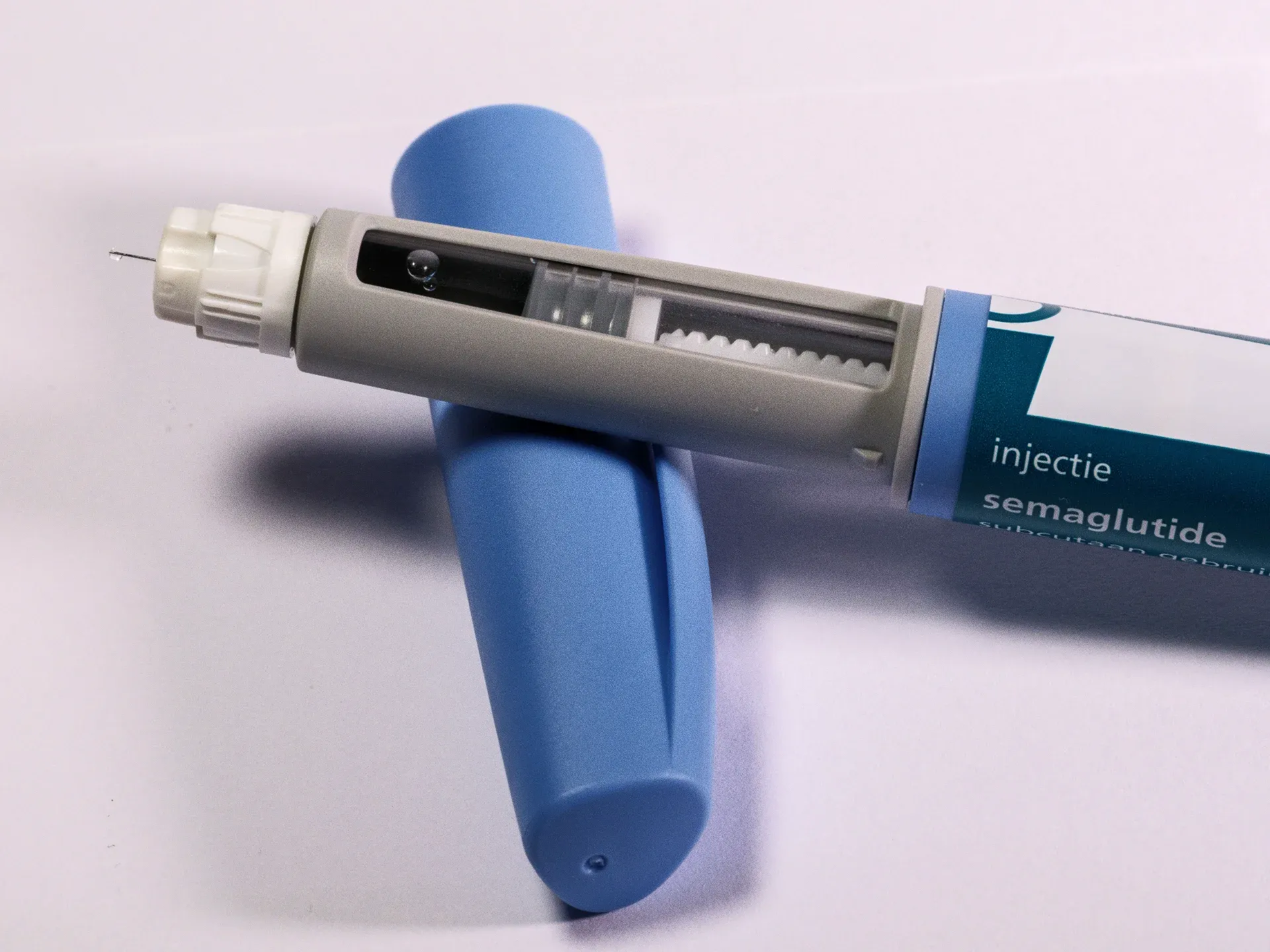
You have started a course of weight loss medication, such as Wegovy or Mounjaro. The first few weeks often take some getting used to, and results don't come all at once. Precisely then, it's important to persevere. Medication only works if you use it diligently, and you'll only achieve the desired results if you truly complete your treatment plan. In this blog, you'll read why this is the case and what helps you to keep going.
What is medication adherence?
Medication adherence means using your medication as agreed with your doctor. The Geneesmiddelenbulletin, an independent journal for doctors and pharmacists, distinguishes two aspects:
- Properly using the medication: at the right time and in the agreed dose.
- Persistence: not prematurely ending the treatment, but continuing for as long as agreed.
Both are important. You can diligently administer your injection every week, but if you stop after two months, you won't achieve the results you started for.
Why is persistence so important?
Weight loss medication works step by step. The dose is gradually built up over the first few months so that your body can get used to it. Most weight loss is therefore only seen after several months. Those who stop during this build-up phase often stop just before the medication reaches its full effect.
Furthermore, the medication works as long as you use it. If you stop too early or without a plan, appetite and often weight will return. In a large study, people who stopped semaglutide regained an average of two-thirds of the lost weight within a year. For tirzepatide, people who stopped gained an average of 14% in a year, while the group that continued lost even more weight.
How often do people stop prematurely?
More often than you think. In a large American study of over 200,000 users, only about 3 out of 10 people consistently maintained treatment after a year. More than 4 out of 10 stopped immediately or within the first few months. Another study showed that more than half of those who stopped did so within six months.
Conscious and unconscious stopping
The Geneesmiddelenbulletin distinguishes between two types of non-adherence.
Unconscious (non-intentional): you want to use the medication, but something stands in the way. Think of a forgotten injection, unclear instructions on how to use the medication, or higher than expected costs.
Conscious (intentional): you choose to stop or use the medication differently. For example, because you experience side effects, are concerned about the long term, or feel that the results are disappointing. The idea that you have already reached your goal is also an example of this.
Good news: there is often a solution for both, if you discuss it in time.
How to keep going
- Know what to expect. Side effects such as nausea mostly occur in the first few weeks and during dose escalation, and usually decrease afterward.
- Make it a fixed routine. Link your weekly injection to a fixed day and time, or set a reminder on your phone.
- Discuss complaints, don't just stop. Are you experiencing side effects or in doubt? Contact your doctor. Sometimes a small adjustment is enough to continue.
- Map out the costs in advance. This way you know what to expect and prevent having to stop halfway through.
- Seek guidance. Personal guidance and an approach that fits your daily life help maintain medication adherence, according to the Geneesmiddelenbulletin. Nutrition and exercise are also part of this. Read more about weight loss with proteins and muscle mass with GLP-1 medication.
Completing your treatment: stopping together
Finishing a treatment plan doesn't mean you just stop your medication one day. If you've reached your goal, you discuss the next step with your doctor. This could be continuing, an adjusted dose, or a carefully phased-out plan, combined with the habits you've built up during your treatment. This gives you the best chance to maintain your results.