Summary
- With acne, it is important to distinguish between active acne (spots and inflammation) and acne scars.
- A chemical peel with deep cleansing works against active acne: it keeps pores open and reduces inflammation.
- We treat acne scars with a fractional laser, a TCA peel or microneedling. All three stimulate the production of new collagen.
- Visible results usually require several treatments.
- During a free consultation, a skin therapist determines which treatment or combination suits your skin.
Active acne or acne scars: what is the difference?
Acne develops when sebum and dead skin cells clog the pores. Bacteria can grow in these clogged pores, which leads to inflammation. Hormones often play a role as well. This results in blackheads, spots and inflammation. With active acne, treatment focuses on keeping pores open and reducing inflammation.
Acne scars are the result of previous inflammation. They can look like small pits or dents, red or brown discolouration, or a rough skin texture. Here, treatment focuses on skin repair: the production of new collagen, so the skin becomes smoother and more even.
Curious whether diet plays a role in acne? Read our blog on cow's milk and acne.
Chemical peel with deep cleansing for active acne
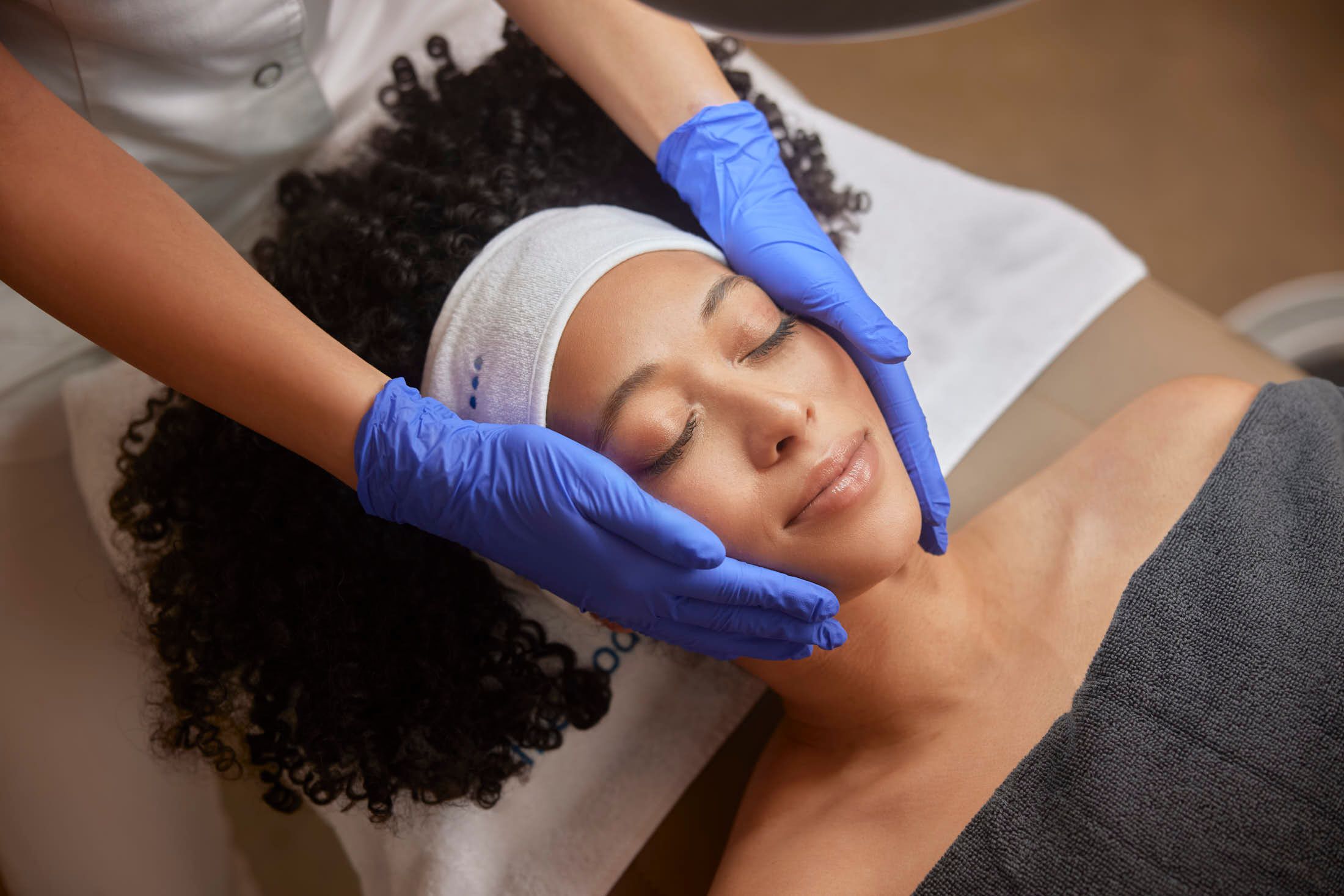
A chemical peel for acne removes dead skin cells and keeps pores open. This leads to fewer blockages and less inflammation. The peel contains glycolic acid, lactic acid and salicylic acid, and has an anti-inflammatory effect that helps prevent new acne.
In our acne treatment, we combine the peel with a deep cleansing.
What can you expect from a chemical peel?
- The treatment takes about 45 minutes.
- No anaesthesia is needed. You may feel a slight tingling or warm sensation.
- After a superficial peel, mild redness can last up to a few days.
- The result remains visible for about 3 months.
Wondering whether you can have a peel in summer? Read our blog Peels are possible in summer.
Laser therapy with a fractional laser for acne scars
Do you have acne scars, red or brown discolouration or a rough skin texture? Then we choose laser therapy for acne scars with a fractional laser. The laser heats the skin, stimulating it to produce collagen. Scar tissue can gradually be replaced by new skin cells, making the skin more even.
A fractional laser treats the skin in thousands of tiny dots, while the skin in between remains intact. As a result, your skin recovers faster than after a laser that treats the entire skin surface.
What can you expect from laser therapy?
- The treatment takes 45 to 60 minutes. No anaesthesia is needed.
- After the treatment, your skin is slightly red. The skin therapist applies an ointment and SPF cream.
- Recovery takes 4 to 7 days on average. During this period, your skin may peel.
- A good result usually requires 4 to 6 treatments, 3 to 6 weeks apart.
- The result remains visible for 3 to 6 months. We recommend repeating the treatment once or twice a year.
TCA peel for acne scars and enlarged pores
A TCA peel is a chemical peel with trichloroacetic acid that penetrates deeper into the skin than a standard peel. The peel removes dead skin cells and stimulates collagen production. This makes the TCA peel suitable for acne scars, enlarged pores, pigmentation spots and fine lines.
What can you expect from a TCA peel?
- Before the treatment, you prepare your skin at home with special products.
- The treatment takes about 45 minutes.
- After the treatment, your skin turns red and will peel between day 2 and 7. This is a normal part of recovery.
- The result: firmer, smoother skin with a more refined texture, visible for up to about 6 months.
Microneedling for acne scars
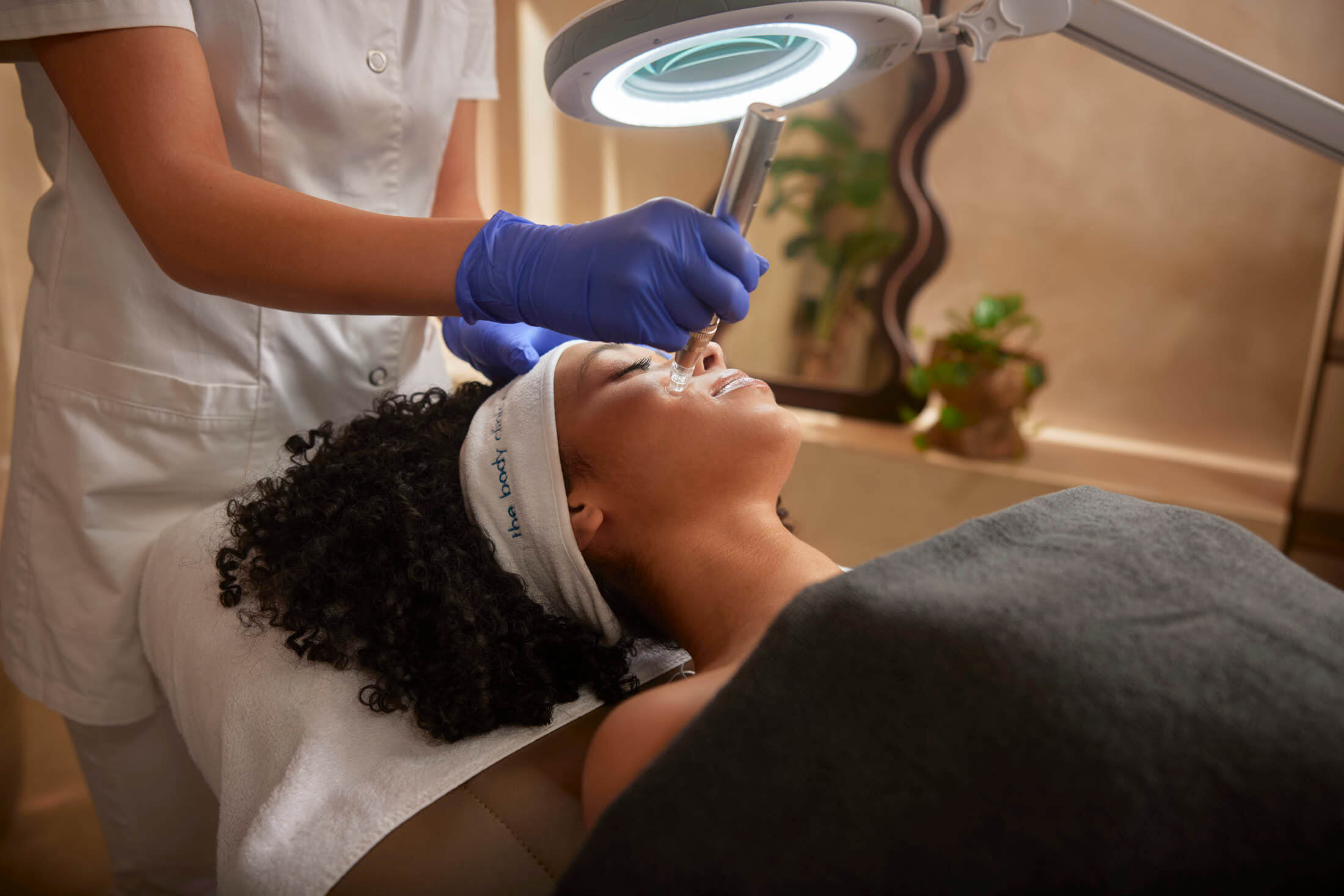
With microneedling, a pen with fine needles creates microscopic channels in the top layer of the skin. This triggers skin repair and collagen production. At the same time, an active ingredient is applied, which is better absorbed through the channels. Microneedling helps with acne scars, enlarged pores and pigmentation spots.
What can you expect from microneedling?
- The treatment takes 40 to 60 minutes. A numbing cream is optional.
- After the treatment, your skin may be slightly red and swollen for 1 to 3 days, and peel a little.
- Optimal results are achieved with 3 to 6 treatments.
- After one treatment, the effect starts to fade after about 3 months. After a course, the result remains visible for 6 to 8 months.
Which treatment suits you?
| Treatment | Suitable for | Recovery time | Number of treatments |
|---|---|---|---|
| Chemical peel + deep cleansing | Active acne, spots, clogged pores | A few days of mild redness | Depends on your skin |
| Fractional laser | Acne scars, red or brown discolouration, rough skin texture | 4 to 7 days | 4 to 6 |
| TCA peel | Acne scars, enlarged pores, pigmentation spots | Peeling between day 2 and 7 | Depends on your skin |
| Microneedling | Acne scars, enlarged pores, pigmentation spots | 1 to 3 days | 3 to 6 |
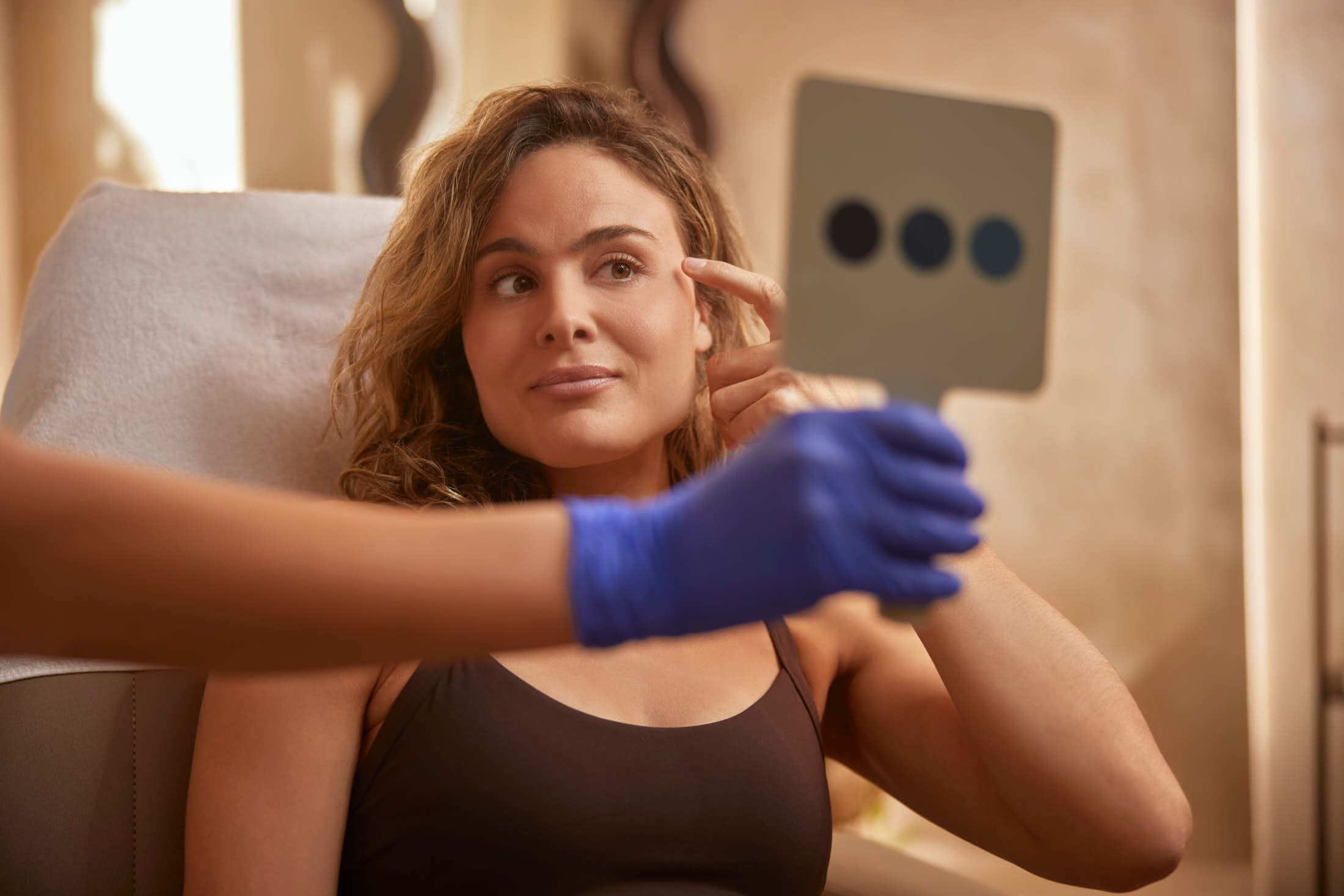
Which treatment works best depends on your skin type and the type of acne or scarring. With our skin scan, we map your skin down to the deeper layers, so we can give targeted advice.
Do you have deep pits or dents from acne? These can sometimes also be filled with a filler. Read more about acne scar removal with fillers.
Can you combine treatments?
Yes. If you have both active acne and acne scars, a combination of treatments can be useful. Each treatment then targets a different problem:
- a chemical peel with deep cleansing targets the active acne: it keeps pores open and reduces inflammation;
- a fractional laser targets the scars: it stimulates collagen production, so the skin becomes more even.
During the consultation, the skin therapist determines whether a combination suits your skin and in which order the treatments are best carried out. With a combined laser and peel treatment, you get a 20% discount on the total amount.
What should you pay attention to?
- Are you using isotretinoin (for example Roaccutane), or have you used it recently? Always let us know in advance. Isotretinoin makes the skin more vulnerable. Laser treatment, a TCA peel or microneedling is therefore only possible once you have stopped for at least 6 months.
- Do you have darker skin? With darker skin, there is a higher chance of pigment changes after laser treatment or a deeper peel, such as dark or light patches. The skin therapist takes this into account when choosing and setting up the treatment.
- Do not use products containing tretinoin or retinol for 2 days before a treatment.
- Come with clean skin, without make-up, cream, lotion or perfume.
- Treatment is not possible with an active cold sore or damaged skin.
- After the treatment, use SPF30+ daily and do not pick at peeling skin. This can disrupt the result and increase the risk of scarring.
- Avoid swimming pools, saunas and intensive exercise for the first few days after the treatment.
When should you see your GP or a dermatologist?
A skin therapist treats acne and acne scars with skin treatments, but does not prescribe medication. Severe acne often requires medication. That is why you should see your GP first if you:
- have many inflamed spots, or painful, deep lumps or cysts;
- notice that scars are forming;
- see no improvement after a few months despite good skin care;
- are greatly affected by your acne, physically or emotionally.
Your GP can prescribe medication or, if necessary, refer you to a dermatologist. A treatment with a skin therapist can be a useful addition alongside or afterwards, for example to reduce scars once the acne has calmed down. For deep pits, a doctor can also fill the scars with fillers.
Frequently asked questions
What is the best treatment for acne scars?
That depends on the type of scar. For discolouration and a rough skin texture, a fractional laser works well. For acne scars and enlarged pores, a TCA peel or microneedling are also good options.
How many treatments do I need?
That depends on the treatment and your skin. For a fractional laser, it is usually 4 to 6 treatments, and for microneedling 3 to 6. With a chemical peel or TCA peel, the number depends on your skin. The skin therapist will discuss this during the consultation.
Is acne treatment painful?
Most treatments are well tolerated. With a peel, you feel a tingling sensation. With microneedling, you can receive a numbing cream.
How much do the treatments cost?
An acne peel with deep cleansing costs €150, a TCA peel €225, laser therapy for scars from €199 and microneedling from €140. The consultation is free.
Curious which treatment suits your skin? Book a free consultation with one of our skin therapists.