Summary
- Vobexoryn is a medicine containing liraglutide for weight loss, similar to the hormone GLP-1, which regulates appetite and promotes a feeling of fullness.
- The medicine is injected daily and is intended to complement diet and exercise in adults with an elevated BMI.
- Since the mandatory switch to Vobexoryn, patients have reported numerous complaints about the injection pen (difficulty in use, leaks, bent needles) and known side effects of liraglutide (gastrointestinal symptoms).
- New complaints have also been reported, such as muscle pain, flu-like symptoms and a reduced feeling of fullness, the cause of which is still unclear.
- The Lareb Side Effects Centre has informed the CBG and the IGJ, and the CBG is investigating the Vobexoryn injection pen.
What is Vobexoryn?
Vobexoryn is a weight-loss medication containing the active ingredient liraglutide. It is similar to a naturally occurring hormone called glucagon-like peptide-1 (GLP-1), which is released from the intestines after a meal.
Vobexoryn affects receptors in the brain that regulate appetite, making you feel fuller faster and less hungry. This helps to eat less and lose weight.
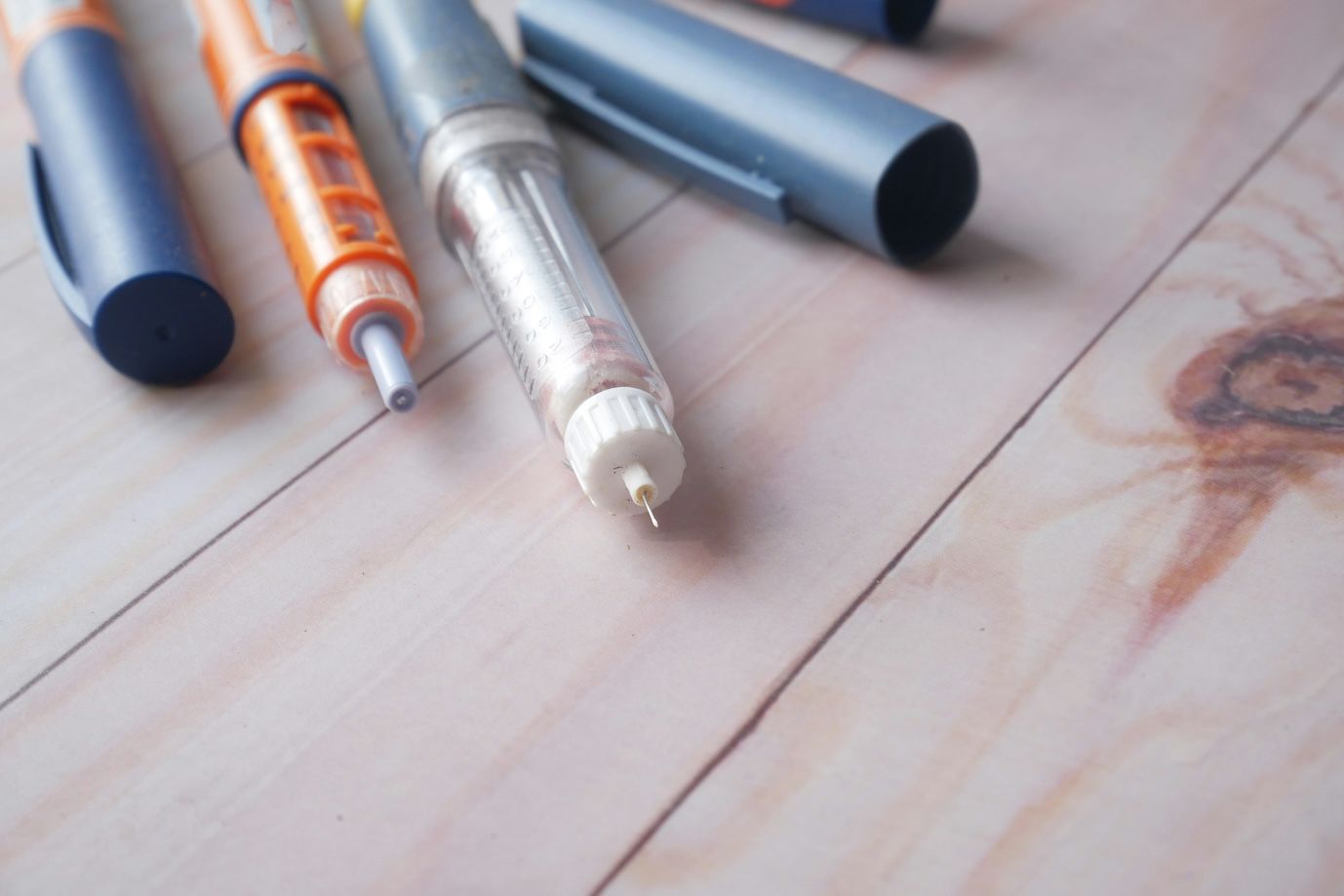
You use it once daily via a pre-filled injection pen under the skin (abdomen, thigh, or upper arm). It is used as an adjunct to a calorie-restricted diet and increased physical activity in adults with an elevated BMI.
As of October 1, 2025, health insurers have designated Vobexoryn as the preferred medication for obesity patients, as a cheaper alternative to previously reimbursed liraglutide medications. Pharmacies were given until January 1, 2026, to use up their stock of other brands and gradually transition patients.
What complaints and side effects do patients report with Vobexoryn?
Since the mandatory switch to Vobexoryn, pharmacovigilance center Lareb has received a remarkably high number of reports in a short period. The complaints can be broadly divided into two categories: problems with the injection pen and side effects of the medication itself.
1. Problems with the injection pen
Problems with the injection pen are by far the most reported category. Most patients indicate that pressing the Vobexoryn pen requires a lot of force or is difficult. They also describe the rotation mechanism as jerky or stiff, or state that the pen falters, blocks, or jams after setting the dosage. Furthermore, reporters describe fluid leaking after injection or the needle bending or coming loose during injection.
In about half of the reports, these problems led to bruising or pain at the injection site.
Specifically, users report, among other things:
- The pen requires so much force that they need both hands
- The rotation mechanism feels jerky or stiff
- The pen blocks or jams during injection
- Fluid leaks after injection, making it unclear whether the full dose has been administered
- The needle bends or comes loose
- Bruising, drops of blood, or pain at the injection site
This can cause additional problems for people with reduced hand strength or conditions like osteoarthritis.
2. Side effects of the medication
In addition to pen complaints, there are also reports of side effects from liraglutide itself. The official package leaflet mentions the following known side effects:
- Gastrointestinal complaints such as nausea, vomiting, and diarrhea — these usually disappear as you get used to the medication
- Abdominal pain, heartburn, bloating, and constipation
- Reduced appetite and fatigue
- In rare cases: dehydration with persistent vomiting or diarrhea — it is then important to drink enough fluids
- In rare cases: inflammation of the pancreas (pancreatitis) or a severe allergic reaction
Consult a doctor immediately if you experience breathing difficulties, swelling of the face or throat, or a rapid heartbeat.
In addition, users who made the mandatory switch from Saxenda to Vobexoryn also report complaints not listed as standard side effects in the package leaflet, such as muscle pain, flu-like symptoms, dizziness, and a reduced feeling of satiety. It is currently unclear whether these complaints are caused by the medication itself or by problems with the pen, where the stiff operation might not always administer the full dose. Weight gain after (forced) discontinuation of the medication is also reported by users. The MEB is investigating these reports.
What are the authorities doing?
The reports have not gone unnoticed. Lareb has informed both the Medicines Evaluation Board (CBG) and the Health and Youth Care Inspectorate (IGJ). The CBG has since announced an investigation into the Vobexoryn injection pen.
What can you do if you experience complaints?
Are you experiencing complaints while using Vobexoryn? Then there are a few steps you can take:
- Report your side effect or usage problem to pharmacovigilance center Lareb via www.lareb.nl or to the Medicines Reporting Center (IVM). Every report helps researchers get a better picture of the extent of the problem.
- Discuss your complaints with your general practitioner or treating specialist. They can assess the best next step in your situation.
- Do not simply stop your medication without consulting a doctor, even if you have complaints.
Do you have questions about your medication use or medical weight loss journey? Feel free to contact us. We are here to help.