Summary
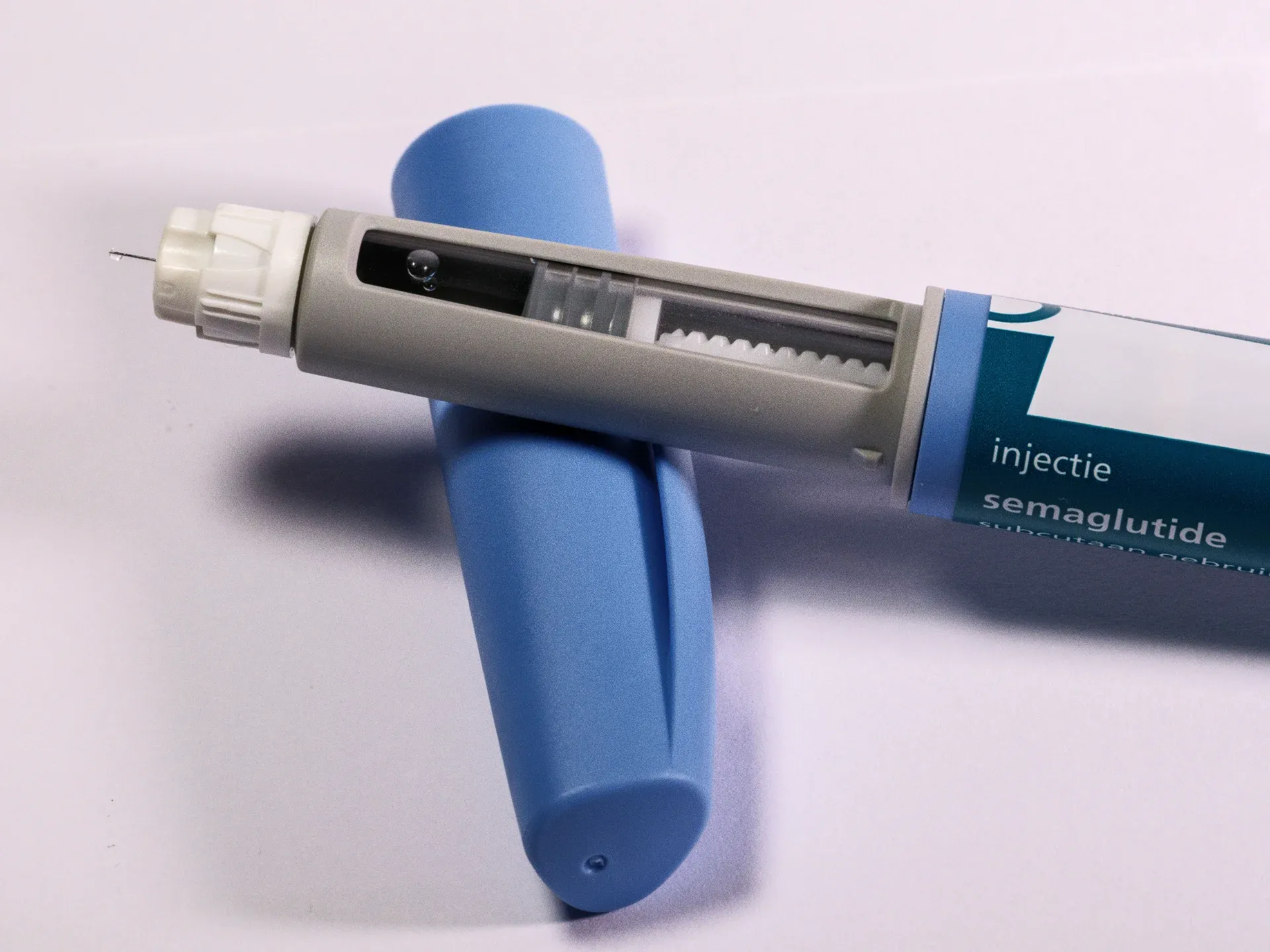
GLP-1 medication, such as Ozempic, Wegovy, and Mounjaro, can cause gastrointestinal side effects by affecting appetite, satiety, and gastric emptying.
- Common side effects include nausea, vomiting, constipation, diarrhea, reflux, headache, and fatigue.
- For mild symptoms, adjustments in eating habits (smaller portions, eating slowly) and drinking patterns can help.
- For severe, persistent symptoms or signs of dehydration, medical advice is necessary.
- Rare but serious side effects include pancreatitis, gallbladder issues, and severe allergic reactions, requiring immediate medical attention.
Why do GLP-1 side effects occur?
GLP-1 medication affects, among other things, appetite, satiety, gastric emptying, and blood sugar regulation. As a result, you may feel full faster, have less appetite, and eat less. At the same time, food can remain in the stomach longer, which can lead to gastrointestinal complaints.
Common complaints include:
- nausea
- feeling full
- burping or reflux
- abdominal discomfort
- constipation
- diarrhea
- vomiting
- decreased appetite
These symptoms primarily occur at the start of treatment or around dose increases. This does not automatically mean something is wrong, but symptoms should be taken seriously if they are severe, persistent, or disrupt your daily functioning.
Which medications are we talking about?
GLP-1 is often used as a collective term, but the agents differ in active substance, indication, dosage, and titration schedule.
| Product | Active substance | Important clarification |
|---|---|---|
| Ozempic | Semaglutide | Registered for adults with type 2 diabetes. |
| Wegovy | Semaglutide | Used within the registration framework for weight management. |
| Saxenda | Liraglutide | Used within the registration framework for weight management in suitable adults. |
| Mounjaro | Tirzepatide | Contains tirzepatide and acts via GLP-1 and GIP receptors. |
Because Ozempic and Wegovy both contain semaglutide, side effects may overlap. However, they are not directly comparable, as the dosage, user group, and medical context can differ.
The most important basic adjustments
For mild gastrointestinal complaints, practical adjustments can sometimes help. The goal is to put less strain on your stomach and ensure adequate nutrition and fluid intake.
Often useful to try:
- eat smaller portions
- eat slowly and chew well
- stop eating as soon as you feel full
- avoid large, heavy, or high-fat meals
- drink throughout the day
- do not consume large amounts of fluid immediately before or during a meal if it causes discomfort
- remain upright for a while after eating
- limit alcohol if it exacerbates nausea or reflux
- ensure sufficient protein, fluid, and fiber
These are general tips. They do not replace medical advice. For severe symptoms, persistent vomiting, or inability to drink sufficiently, you should contact your doctor.
Dosing speed and tolerability
Side effects may increase around a dose escalation. This does not mean you should adjust the schedule yourself. The dosage and titration should always be discussed with the treating physician.
If symptoms persist or clearly increase, the doctor can assess whether:
- the current dosage should be maintained longer
- a planned dose increase should be postponed
- other causes need to be investigated
- additional treatment is necessary
- the medication is still appropriate
The goal is not to reach a higher dosage as quickly as possible, but to keep treatment safe and tolerable.
Nausea with Ozempic, Wegovy, or Mounjaro
Nausea is one of the most commonly reported complaints with GLP-1 medication. People often search for Ozempic nausea, nausea from Wegovy, or Mounjaro nausea.
Nausea can be associated with delayed gastric emptying, larger portions, high-fat meals, fast eating, or dose increases.
What sometimes helps:
- eat smaller meals
- eat more slowly
- avoid fried or very fatty foods
- choose light, simple meals
- drink small sips throughout the day
- avoid strong odors if they trigger nausea
- do not lie down immediately after eating
Some people find ginger tea or peppermint tea pleasant. This can be supportive but is not a medical treatment. For severe or persistent nausea, you should consult your doctor.
Vomiting: when to be careful?
Occasional vomiting can occur, but repeated vomiting should be taken seriously. The risk is that you retain too little fluid and become dehydrated.
Contact your doctor if:
- you are repeatedly vomiting
- you can barely drink
- you urinate little
- your urine becomes dark
- you become dizzy or weak
- you also have severe abdominal pain
- the vomiting does not subside
In case of severe vomiting or signs of dehydration, rapid medical assessment is needed.
Constipation due to GLP-1 medication
Constipation can occur because you eat less, drink less, consume fewer fibers, or because bowel function changes.
What often helps:
- drink enough
- gradually increase fiber intake
- eat vegetables, fruit, whole grain products, or legumes if you tolerate them well
- exercise daily, for example, walking
- do not eat extremely little
- discuss persistent complaints with your doctor
Psyllium fiber or other fiber products can sometimes help, but build up slowly and drink enough. For severe abdominal pain, a swollen abdomen, persistent constipation, or vomiting, medical assessment is needed.
Read also: Weight loss with psyllium fiber.
Diarrhea due to GLP-1 medication
Some people experience diarrhea or loose stools. This can be temporary, especially after starting or increasing a dose.
Practical tips:
- drink enough
- temporarily avoid heavy, fatty, or strongly spiced meals
- pay attention to coffee, alcohol, or sweeteners if they exacerbate symptoms
- eat smaller portions
- choose foods you tolerate well
Contact a doctor if diarrhea is severe, persists longer, is accompanied by fever, blood in the stool, dehydration, or severe abdominal pain.
Reflux and heartburn
Reflux or heartburn can occur or worsen because gastric emptying is slower. Large meals, high-fat foods, alcohol, coffee, or lying down immediately after eating can exacerbate symptoms.
What sometimes helps:
- smaller portions
- less high-fat meals
- do not lie down immediately after eating
- eat lighter in the late evening
- elevate the head of the bed slightly for nocturnal reflux
- limit triggers such as alcohol, coffee, or spicy food if they cause symptoms
Use antacids or other medication only in consultation with your doctor or pharmacist, especially if symptoms are new, severe, or persistent.
Headache, fatigue, and dizziness
Headache, fatigue, or dizziness can have various causes. They are not always directly caused by the medication itself. Possible factors include:
- eating too little
- drinking too little
- vomiting or diarrhea
- rapid weight loss
- sleep deprivation
- low blood pressure
- change in blood sugar
- insufficient protein or micronutrients
Pay particular attention to adequate fluid, regular nutrition within what you tolerate, protein, and rest. Contact your doctor for fainting, severe dizziness, persistent symptoms, or if you are using diabetes medication.
Read also: Water, electrolytes and weight loss.
What are the side effects of Ozempic?
Ozempic contains semaglutide and is registered for adults with type 2 diabetes. Commonly reported side effects include gastrointestinal complaints such as nausea, diarrhea, vomiting, abdominal pain, and constipation.
Because Ozempic is used for type 2 diabetes, other factors such as blood sugar, other diabetes medications, and underlying conditions may also play a role. If you are using Ozempic and experience symptoms, discuss them with your treating physician.
What are the side effects of Wegovy?
Wegovy also contains semaglutide but is used within the registration framework for weight management. Commonly reported side effects include gastrointestinal complaints such as nausea, diarrhea, vomiting, constipation, abdominal pain, burping, and feeling full.
In case of vomiting or diarrhea, sufficient fluid intake is important, as fluid loss can occur. Contact a doctor if symptoms are severe, persistent, or if you are unable to drink sufficiently.
What are the side effects of Mounjaro?
Mounjaro contains tirzepatide and acts via GLP-1 and GIP receptors. Gastrointestinal complaints can also occur with tirzepatide, such as nausea, diarrhea, vomiting, constipation, abdominal pain, or decreased appetite.
Severity and duration vary per person. For severe or persistent symptoms, treatment should be medically reviewed.
Rare but important side effects
Most complaints with GLP-1 medication are gastrointestinal. However, there are rarer complaints where you should be alert.
Pancreatitis
Pancreatitis, also known as inflammation of the pancreas, is rare but important to recognize. Pay attention to severe, persistent abdominal pain, especially in the upper abdomen, possibly radiating to the back. Nausea, vomiting, or fever may occur.
In such cases, rapid medical assessment is needed.
Gallstones and gallbladder issues
Rapid weight loss can increase the risk of gallstones. Gallbladder issues are also mentioned as a point of attention for weight management medications.
Warning signs include:
- pain in the upper right abdomen
- pain after eating fatty foods
- nausea or vomiting
- fever
- yellowing of skin or eyes
- dark urine or pale stools
For these symptoms, you should contact a doctor.
Severe allergic reaction
A severe allergic reaction is rare but can be dangerous.
Seek immediate help for:
- swelling of the face, lips, tongue, or throat
- shortness of breath
- swallowing difficulties
- severe rash
- fainting
For acute shortness of breath or severe swelling, call 112 (emergency services).
Severely delayed gastric emptying
GLP-1 medication can delay gastric emptying. In some people, this can lead to severe symptoms.
Contact a doctor if:
- extreme fullness after small amounts
- repeated vomiting
- vomiting food hours after the meal
- persistent abdominal pain
- inability to eat or drink
Always report GLP-1 use if you are undergoing surgery, anesthesia, or examination with sedation, as delayed gastric emptying can be relevant for preparation.
GLP-1 Warning Signs: checklist
Seek medical help or contact a doctor immediately if you experience:
- severe or persistent abdominal pain
- pain radiating to the back
- repeated or severe vomiting
- signs of dehydration, such as infrequent urination, dark urine, or severe dizziness
- yellowing of skin or eyes
- dark urine and pale stools
- fever with abdominal pain
- blood in stool or vomit
- swelling of the face, lips, tongue, or throat
- shortness of breath or swallowing difficulties
- chest pain or severe heart palpitations
- fainting or confusion
For acute or life-threatening symptoms, call 112 (emergency services).
Deaths in the news: how should this be interpreted?
Reports of serious side effects or deaths related to GLP-1 medication can cause unrest. Such signals should be taken seriously, but also require careful interpretation.
When millions of people use a medication, serious events can coincide with its use without the medication always being the cause. At the same time, rare risks may only become clearer as more people use a drug.
Therefore, both clinical studies and safety monitoring in practice are important. In large studies with semaglutide, gastrointestinal complaints were more common than with placebo. In the SELECT study, more participants in the semaglutide group discontinued due to side effects, especially gastrointestinal complaints.
For you as a user, it is especially important to use medication only under medical supervision, report severe complaints in time, and not ignore warning signs.
Long-term side effects of Ozempic
Many people search for Ozempic long-term side effects. Ozempic is a medication for type 2 diabetes and has been used for several years. Its safety profile is continuously monitored through studies and pharmacovigilance.
What is known: gastrointestinal complaints are among the most frequently reported side effects and occur mainly in the initial phase or around dose increases. What remains important in the long term is medical monitoring, especially with diabetes, other medications, kidney function, gallbladder issues, or persistent gastrointestinal complaints.
If you have questions about long-term use, do not stop on your own initiative, but discuss this with your treating physician.
Side effects and medical weight loss
Medication used for weight management requires medical supervision. Not only to assess whether a medication is suitable, but also to monitor side effects, nutrition, fluid intake, muscle preservation, and the course of treatment.
Sometimes, within a medical treatment, medication specifically registered for weight management in adults with obesity or overweight with weight-related conditions is considered. The appropriate approach depends on your medical situation, BMI, health, lab values, contraindications, and previous treatments.
More general information about these medications can be found in our overview of weight loss medications.
Conclusion
Side effects of Ozempic, Wegovy, Mounjaro, and other GLP-1-related agents are often gastrointestinal complaints, such as nausea, diarrhea, constipation, vomiting, reflux, or a feeling of fullness. They primarily occur at the start and around dose increases.
Mild symptoms can sometimes be alleviated by smaller portions, eating more slowly, drinking enough, less high-fat meals, and good coordination with the treating physician. You should not suppress severe or persistent symptoms.
Use the warning signs as a checklist. For severe abdominal pain, repeated vomiting, dehydration, jaundice, allergic reactions, blood loss, chest pain, or confusion, medical help is required.
Frequently asked questions
What are the side effects of Ozempic?
Ozempic contains semaglutide and is registered for adults with type 2 diabetes. Commonly reported side effects include nausea, diarrhea, vomiting, abdominal pain, constipation, and decreased appetite.
What are the side effects of Wegovy?
Wegovy contains semaglutide and is used within the registration framework for weight management. Commonly reported side effects include gastrointestinal complaints such as nausea, diarrhea, vomiting, constipation, abdominal pain, burping, and feeling full.
What are the side effects of Mounjaro?
Mounjaro contains tirzepatide. Commonly reported side effects include gastrointestinal complaints such as nausea, diarrhea, vomiting, constipation, abdominal pain, and decreased appetite.
How long do GLP-1 side effects last?
That varies per person. For many people, symptoms are most noticeable at the start or after a dose increase and subside later. Persistent or severe symptoms should be discussed with your doctor.
What helps with Ozempic-induced nausea?
Smaller portions, eating slowly, less high-fat meals, drinking enough, and not lying down immediately after eating can help. For severe or persistent nausea, consultation with your doctor is necessary.
When are GLP-1 side effects dangerous?
For severe or persistent abdominal pain, repeated vomiting, signs of dehydration, jaundice, blood in stool or vomit, shortness of breath, swelling of the face or throat, chest pain, fainting, or confusion, you should seek medical help.
Can GLP-1 medication cause dehydration?
Not directly as an intended effect, but nausea, vomiting, or diarrhea can lead to fluid loss. Therefore, adequate fluid intake is important, and persistent vomiting or diarrhea should be medically evaluated.
Should you stop taking medication if you experience side effects?
Do not stop on your own initiative, except in case of acute severe symptoms requiring immediate medical attention. Discuss symptoms with your treating physician, so they can assess what is advisable.