Why we eat more in autumn
Due to the lack of sunlight, your body produces less serotonin and dopamine: the hormones that give you a sense of satisfaction. Lower levels make it harder to feel full, and they trigger cravings for energy-dense comfort food, such as carbohydrates and fats, to temporarily lift your mood.
As soon as it gets colder, your body also has to work harder to maintain its core temperature. Food acts as a kind of internal heater: the colder it is, the faster you biologically reach for warm, calorie-rich meals. And because it gets dark earlier, we move indoors sooner and our evening routine starts earlier, often leading to more snacking and eating on the sofa.
The key thing to remember
In our modern, heated homes, our bodies do not need extra calories in autumn. The Netherlands Nutrition Centre (Voedingscentrum) therefore advises simply sticking to the Wheel of Five. When you feel hungry, choose nutritious autumn produce such as pumpkin, carrots and legumes. They are rich in fibre and vitamins and keep you feeling full for longer, without the unwanted weight gain.
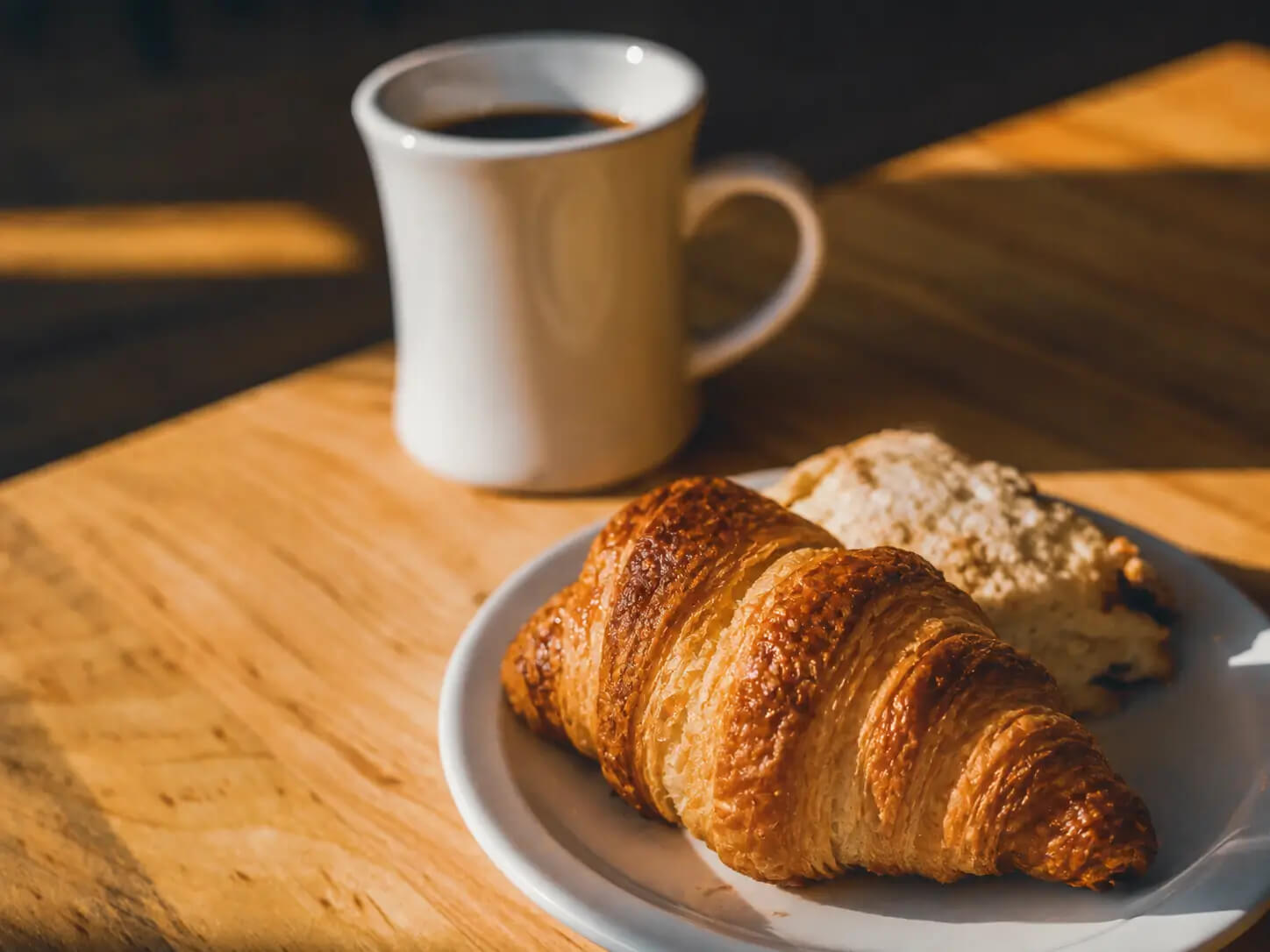
The biological urge for comfort food
Your body tries to compensate for the shortage of serotonin and dopamine by craving carbohydrate- and fat-rich food.
How medical weight loss helps
GLP-1 medication used in medical weight loss restores the disrupted hunger and satiety processes in your body and dampens what is known as 'food noise': the constant mental focus on food and cravings. This makes it much easier to resist autumn snacks and choose nutritious alternatives.
Less vitamin D
Due to the lack of sunlight, your vitamin D levels drop. This is associated with more fatigue, and research has also linked a deficiency to a less efficient metabolism.
What you can do yourself
Make a point of getting daylight, preferably in the morning: it supports your body clock and your mood, even when the sun isn't shining.
'Hibernation mode'
From an evolutionary perspective, your body wants to hold on to energy (fat) in the cold months to stay warm. You feel hungrier and your energy level drops, so you also feel less like moving.
How medical weight loss helps
Sustainable weight loss is not a quick fix, but a process of lifestyle changes. Especially when your energy level drops, your coach is there to look at achievable, lasting changes together with you.
A higher threshold to exercise
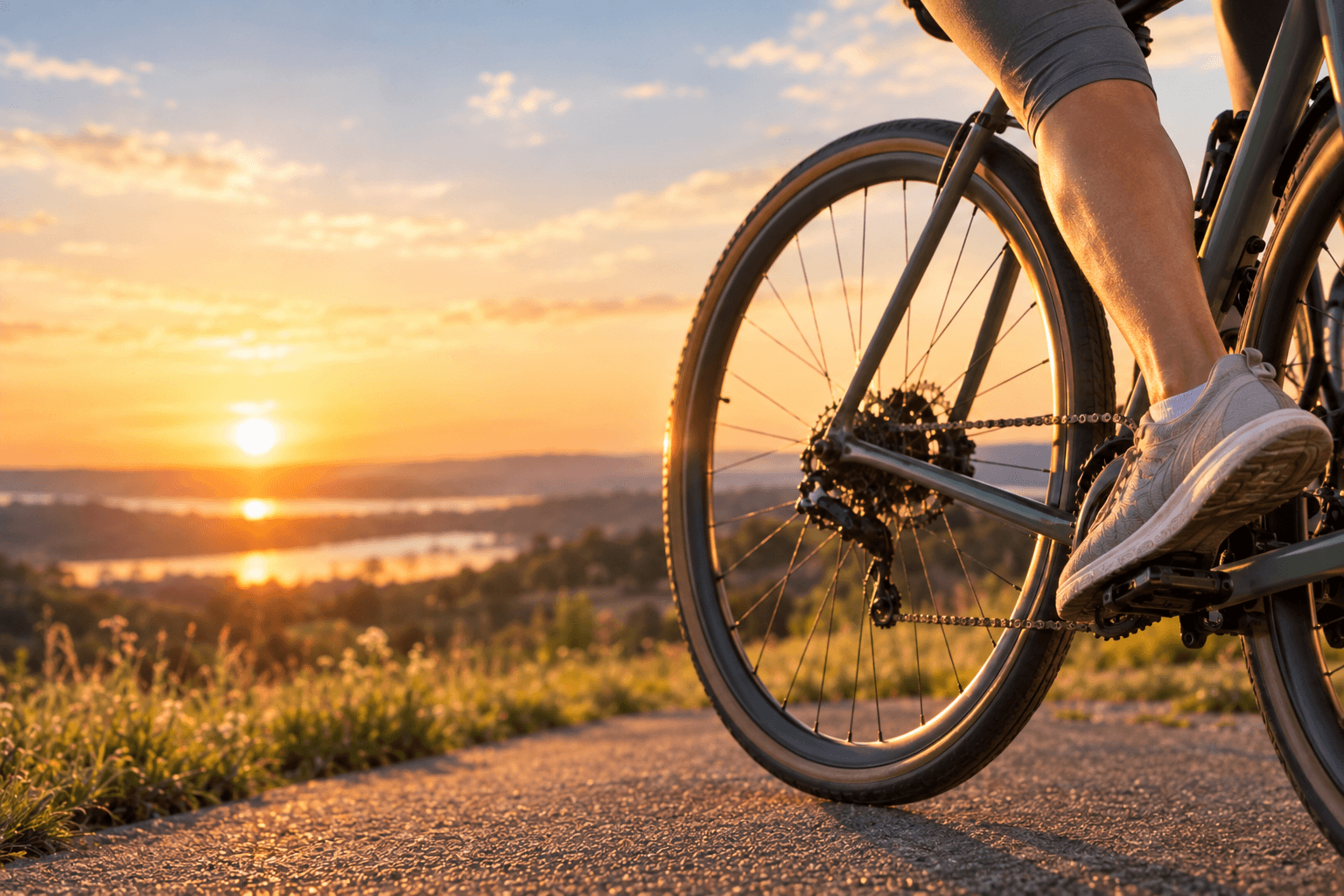
Rain, wind and early darkness make stepping outside or going to the gym a much bigger effort than in summer.
What you can do yourself
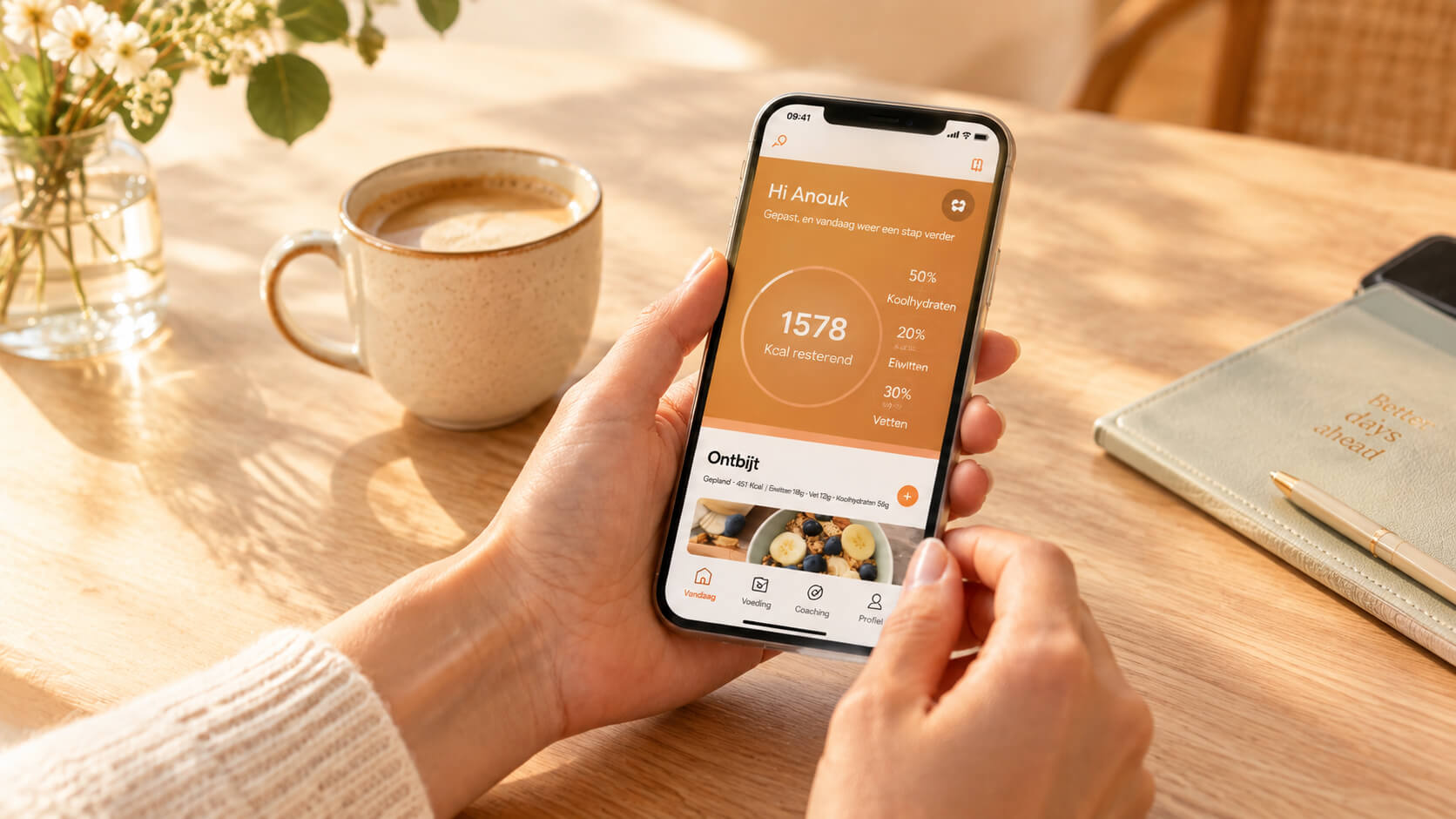
Keep moving indoors as well: a brisk walk between showers or a home workout keeps your energy expenditure up. Are you on the Care or Coach Only programme? Then you will find tailored, nutritious autumn recipes that match your goals directly in the Vytal nutrition app.
Replace comfort food, don't cut it out
A warm vegetable soup or a stew with plenty of vegetables gives the same satisfying feeling as classic comfort food, with far fewer calories, and fits just as well with the autumn need for something warm and nourishing.
You're not on your own
Does this sound familiar? You are not the only one, and it is not a sign that your programme isn't working: it is a normal, seasonal response of your body. Thanks to the combination of medical supervision by our doctors, personal coaching and tools such as the Vytal app, you are never on your own. Together, we make sure you lose weight in a healthy, responsible way while keeping your muscle mass, to prevent the yo-yo effect.
Read also: Losing weight isn't working out? Prevent a relapse
Not sure how best to approach this within your programme? Your coach or doctor is happy to think along with you. Not started yet? Take the online medical check on our website and discover your options within minutes, or contact us without obligation.