Summary
- You cannot target fat loss around the hips; fat loss occurs throughout the entire body.
- Fat around the hips results from a positive energy balance and is influenced by predisposition, hormones, gender, and age.
- Hip fat can be stubborn because for some, it responds slower to weight loss than other areas.
- Achieving narrower hips involves combining total fat loss with strength training for the lower body and core.
- A calorie deficit, sufficient protein intake, strength training, daily physical activity, and patience are essential for reducing hip fat.
Can You Target Fat Loss Around the Hips?
No, you cannot specifically lose fat only around your hips. This is often called spot reduction: the idea that you can burn fat in the exact spot you train.
In practice, fat loss usually doesn't work that way.
Your body loses fat throughout the entire body. Where it becomes visible first varies per person. Some people quickly notice a difference in their face or abdomen, while hips and thighs seem to remain the same for longer.
What does work:
- lowering your total body fat percentage
- strength training for legs, glutes, and core
- eating enough protein
- increasing daily physical activity
- maintaining a sustainable calorie deficit
- having patience with stubborn areas
Hip exercises can improve your silhouette, but they don't burn hip fat locally.
Why Does Fat Accumulate Around the Hips?
Fat around the hips usually results from a sustained positive energy balance: you consume more energy than you expend. Where your body stores that fat is partly determined by predisposition and hormones.
Contributing factors:
- genetic fat distribution
- gender
- age
- hormonal status
- pregnancy or menopause
- total body fat percentage
- muscle mass
- daily physical activity
- sleep and stress
- nutrition and alcohol
In many women, fat is relatively more often stored around the hips, buttocks, and thighs. This is also known as a gynoid fat distribution.
In many men, fat is relatively more often stored around the abdomen, but men can also store fat around the hips.
Why Is Hip Fat Sometimes Stubborn?
Hip fat can seem stubborn because your body doesn't lose fat everywhere at the same rate.
For some people, the hip and thigh region responds slower to weight loss than other areas.
That doesn't mean you're doing anything wrong. It primarily means that your genetic and hormonal fat distribution plays a role.
If your total body fat percentage decreases, your hips may also change, but this might become visible later than you hope.
Common reasons why hip fat changes slowly:
- genetic predisposition
- relatively low total energy expenditure
- insufficient strength training
- insufficient protein
- hidden calories
- stress and sleep deprivation
- insufficient daily physical activity
- unrealistic expectations
- possible lipedema in case of painful, symmetrical fat accumulation
Read also: When Weight Loss Isn't Working.
How to Get Narrower Hips?
You won't get narrower hips through one special exercise or diet trick. The most realistic approach is to combine total fat loss with lower body and core training.
Important building blocks:
| Building Block | Why Important? | Practical Example |
|---|---|---|
| Calorie Deficit | Needed for fat loss | Eat fewer calories than you expend |
| Protein | Helps with satiety and muscle preservation | cottage cheese, eggs, fish, tofu, legumes |
| Strength Training | Improves body composition | squats, lunges, hip thrusts, deadlifts |
| Daily Physical Activity | Increases energy expenditure | walking, cycling, stair climbing |
| Sleep and Stress | Influence eating behavior and recovery | consistent sleep routine, less alcohol |
| Patience | Hips sometimes respond later | measure over 8 to 12 weeks |
Read also: Calorie Deficit.
Nutrition to Reduce Hip Fat
There is no special food that burns hip fat. Nutrition helps by influencing your total calorie intake and helping you maintain a calorie deficit.
Practical nutritional focus:
- eat enough protein with every meal
- add vegetables for volume
- choose fiber-rich carbohydrates
- limit liquid calories
- pay attention to oil, sauces, nuts, and snacks
- plan alcohol consumption consciously
- avoid crash diets
- eat in a way you can sustain for weeks to months
For many people, a plate structure works well:
- half vegetables
- quarter protein source
- quarter potatoes, rice, whole grain product, or legumes
- small amount of fat or sauce
Read also:
Best Exercises for Hips, Glutes, and Legs
Exercises cannot burn hip fat locally, but they can strengthen your lower body and improve your silhouette. Glutes, leg, and core muscles are particularly important.
Good exercises include:
| Exercise | Focus | Tip |
|---|---|---|
| Squat | thighs, glutes, core | start with bodyweight or light weights |
| Lunge | legs, glutes, balance | keep your knee controlled |
| Hip Thrust | gluteal muscles | consciously squeeze your glutes at the top |
| Romanian Deadlift | hamstrings, glutes | keep your back neutral |
| Step-up | legs, glutes | use a stable elevation |
| Side-lying Leg Raise | outer hip | perform slowly and controlled |
| Cable Abduction | outer hip | don't swing, small controlled movement |
| Plank | core | support posture and stability |
Don't just train the outer hip. A strong lower body requires training of glutes, thighs, hamstrings, calves, and core.
Workout Plan for Narrower Hips
For most beginners, 2 to 3 times per week of strength training is a good start. Combine this with walking, cycling, swimming, or other low-impact activities.
Example Schedule 2 Times Per Week
Workout A
- Squat: 3 sets of 8 to 12 repetitions
- Hip Thrust: 3 sets of 8 to 12 repetitions
- Step-up: 2 to 3 sets per leg
- Side Plank: 2 to 3 sets
- Gentle walking after the workout
Workout B
- Romanian Deadlift: 3 sets of 8 to 12 repetitions
- Lunge: 2 to 3 sets per leg
- Cable Abduction or Side-lying Leg Raise: 2 to 3 sets
- Plank: 2 to 3 sets
- 20 to 30 minutes of cycling or walking
Choose a level that is challenging but maintains good form. Training heavier only makes sense when the execution is correct.
Cardio for Hip Fat
Cardio can help increase your energy expenditure and improve fitness. It does not specifically burn fat around the hips, but supports overall fat loss.
Good options:
- walking
- cycling
- swimming
- elliptical trainer
- rowing
- dancing
- light jogging if your joints tolerate it well
Swimming can be pleasant if you want to exercise in a joint-friendly way.
Read also: Weight Loss with Swimming.
Hip Fat and Hormones
Hormones can influence fat distribution. Estrogen plays a role in fat storage around the hips, glutes, and thighs. Insulin, cortisol, thyroid hormones, and sex hormones can also indirectly influence weight, appetite, energy expenditure, and fat distribution.
However, this does not mean that hip fat is solely hormonal. Usually, it's a combination of predisposition, lifestyle, age, total body fat percentage, and energy balance.
Have medical factors assessed if, in addition to hip fat, you also experience symptoms such as:
- sudden weight gain
- extreme fatigue
- irregular menstruation
- excessive thirst or frequent urination
- hair loss
- feeling cold easily
- strong food cravings
- sleep problems
- suspicion of PCOS, thyroid problems, or diabetes
Saddlebags, Hip Fat, or Lipedema?
The term "saddlebags" is often used for fat accumulation on the outer thighs and hips. Usually, it refers to normal fat distribution. However, sometimes lipedema may be present.
Lipedema is a condition where adipose tissue increases symmetrically, primarily in the legs, hips, buttocks, and sometimes arms. It often responds less effectively to weight loss than normal adipose tissue.
Signs that may indicate lipedema:
- painful legs or hips
- heavy feeling in legs
- easy bruising
- symmetrical fat accumulation
- feet remain relatively spared
- little effect of weight loss on the affected areas
- symptoms increase with prolonged standing or heat
If you recognize this pattern, seek medical evaluation. The approach is different from regular fat storage.
How Long Does It Take to Lose Hip Fat?
That varies greatly per person. Hips may respond later than other areas. Therefore, look at progress over 8 to 12 weeks instead of every few days.
Measure more than just weight:
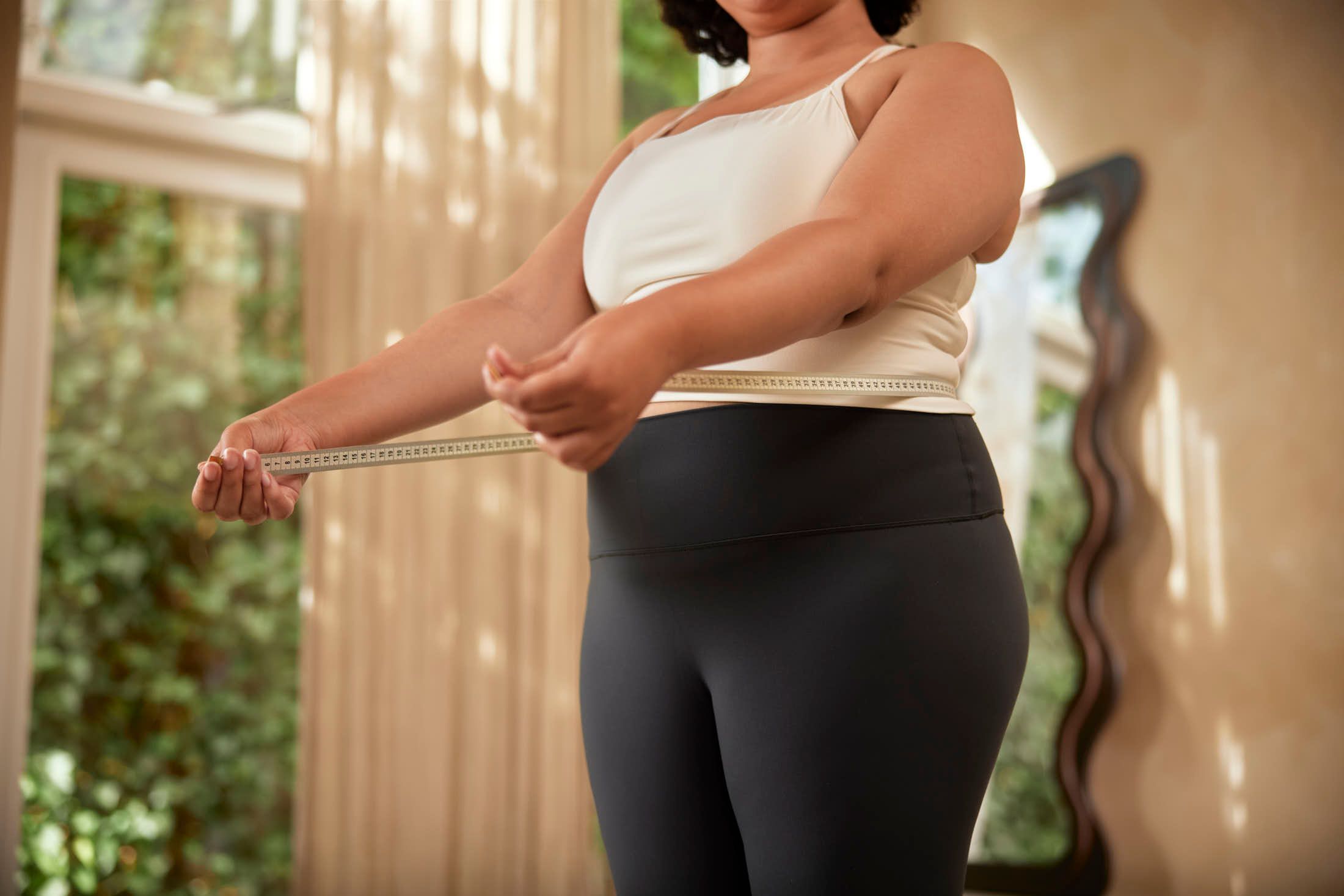
- hip circumference
- waist
- clothing
- photos
- strength
- fitness
- energy
- average weight trend
A gradual pace is often more sustainable than a crash diet. Quick results are appealing, but often increase the likelihood of relapse.
Common Mistakes When Losing Fat Around the Hips
Many people get stuck due to the same pitfalls:
- too much focus on localized exercises
- no calorie deficit
- insufficient protein
- insufficient strength training
- little daily physical activity
- overestimating calorie expenditure
- underestimating oil, sauces, and snacks
- insufficient sleep
- stress and alcohol
- expecting results too quickly
If your total body fat percentage decreases but your hips respond slowly, it doesn't automatically mean your approach is wrong. Stubborn areas often require more time.
Losing Hip Fat with GLP-1 Medication
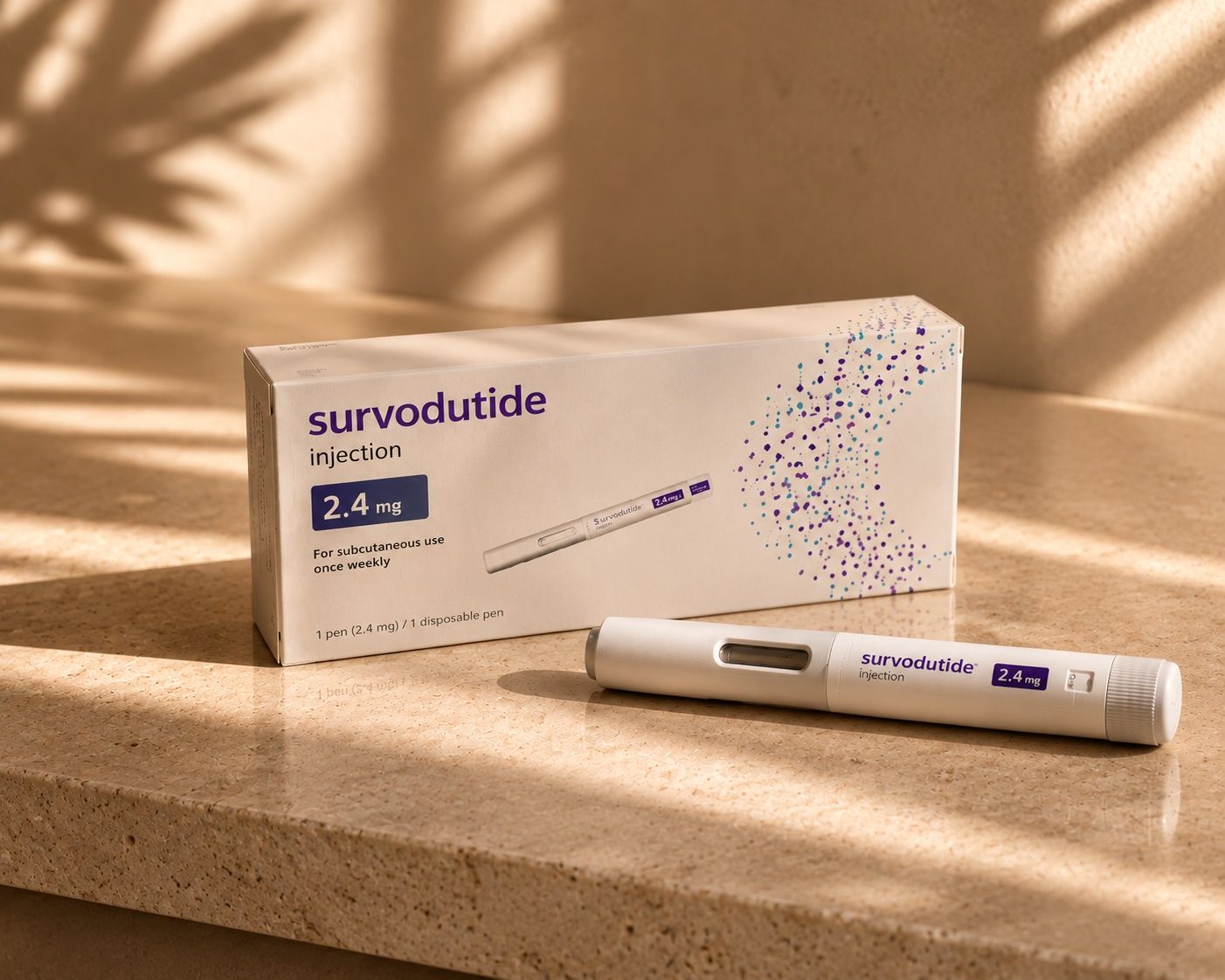
If you are using GLP-1 medication, it remains important to eat enough protein and do strength training. Reduced appetite can lead to a decrease in calorie intake, but if you eat too little or don't train, muscle mass can also decrease.
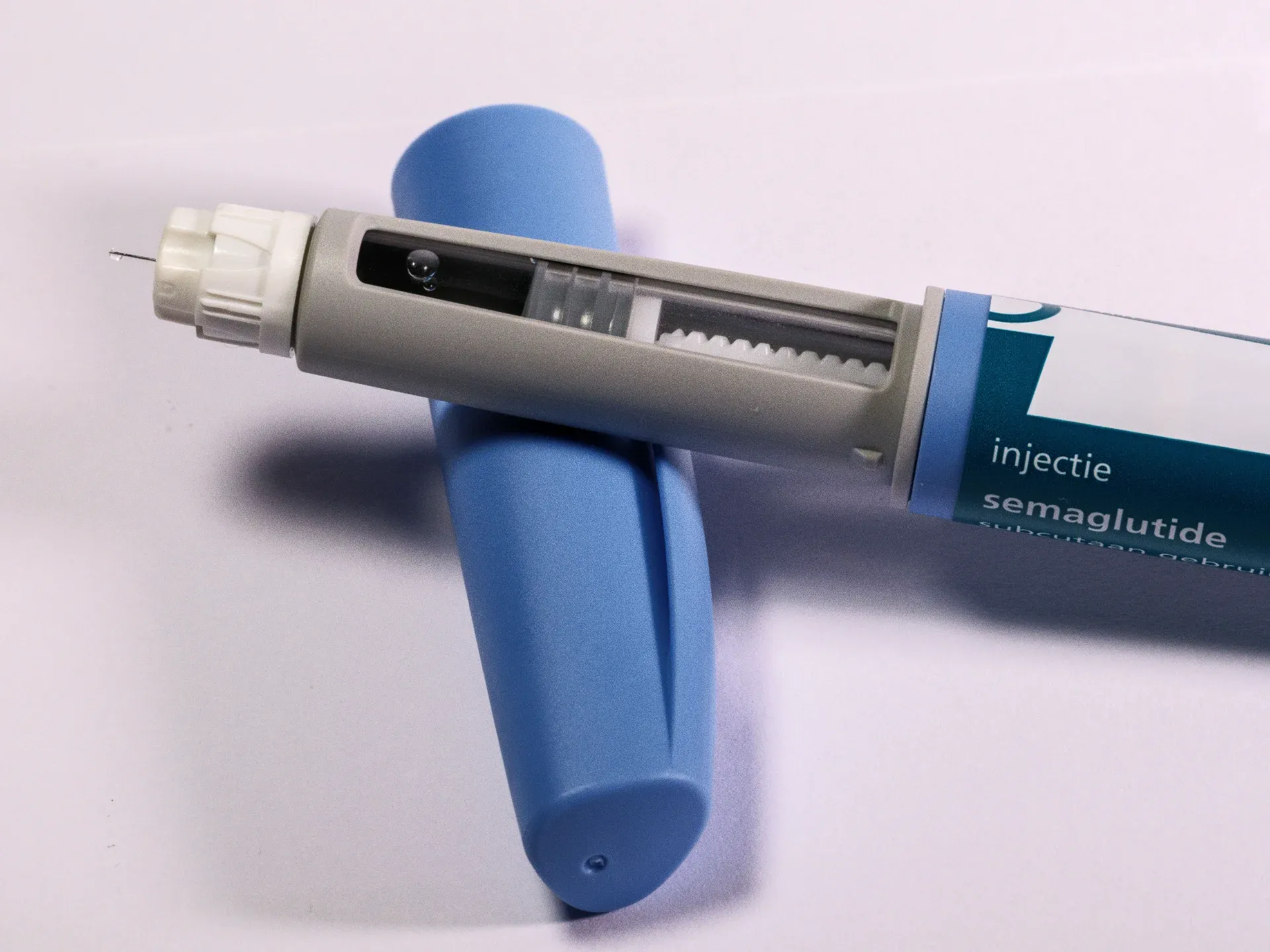
Examples of medications within this treatment area include Wegovy, Ozempic, Saxenda, and Mounjaro. Wegovy contains semaglutide and is used within the registration framework for weight management. Ozempic also contains semaglutide, but is registered for adults with type 2 diabetes. Saxenda contains liraglutide. Mounjaro contains tirzepatide.
Pay particular attention to:
- sufficient protein
- strength training
- not losing weight too quickly
- sufficient hydration
- enough energy to exercise
- consult if experiencing nausea or insufficient intake
Losing Hip Fat and Medical Weight Loss
Losing fat around the hips does not work as an isolated measure, but can be part of total fat loss. In cases of obesity, type 2 diabetes, hormonal issues, strong food cravings, or recurring yo-yo effects, additional guidance may be necessary.
Sometimes, within a medical treatment, medication specifically registered for weight management in adults with obesity or overweight with weight-related conditions is also considered. Which approach is appropriate depends on your medical situation, BMI, health, lab values, contraindications, and previous treatments.
More general information on this can be found in our overview of weight loss medications.
Conclusion
Losing hip fat cannot be achieved by training only your hips locally. Your body loses fat throughout the entire body, according to patterns influenced by genetics, hormones, age, and body composition.
What does work: a sustainable calorie deficit, sufficient protein, strength training for legs and glutes, daily physical activity, and patience. Hip exercises can improve your silhouette, but they don't burn fat in one specific spot.
In cases of painful, symmetrical fat accumulation or little effect of weight loss on hips and legs, lipedema may be a factor. Have that medically evaluated.
Frequently Asked Questions
How do I get narrower hips?
You get narrower hips primarily by lowering your total body fat percentage. Combine a calorie deficit with strength training, sufficient protein, and daily physical activity.
Can you target fat loss around the hips?
No. You cannot dictate that your body only loses fat around the hips. Fat loss occurs throughout the entire body.
How do I lose hip fat?
Through total fat loss. This requires a sustainable calorie deficit, regular strength training, exercise, protein-rich nutrition, and patience.
Which exercises help with hip fat?
Squats, lunges, hip thrusts, deadlifts, step-ups, and core exercises strengthen the legs, glutes, and core. They do not burn local hip fat, but they improve your body composition.
Why is hip fat so stubborn?
Hip fat can be stubborn due to genetic fat distribution, hormones, age, total body fat percentage, and lifestyle. For some people, hips respond later than other areas.
What are saddlebags?
Saddlebags typically refer to fat accumulation on the outer hips and thighs. Sometimes this resembles lipedema, especially if there is pain, bruising, and symmetrical fat accumulation.
Does walking help with hip fat?
Walking helps to increase your total energy expenditure. It does not burn hip fat locally, but it can contribute to total fat loss.
When should I have lipedema assessed?
Seek assessment if you experience painful, symmetrical fat accumulation on your legs, hips, or glutes, easy bruising, a heavy feeling, and little effect of weight loss on those areas.