Summary
- A breakfast that aids weight loss provides long-lasting satiety, delivers protein, and prevents sugar spikes.
- Choose protein-rich, fiber-rich, and low-sugar options like oatmeal, eggs, or low-fat quark.
- A low-calorie breakfast of 300-400 kcal is a good starting point to maintain a calorie deficit.
- Targeted belly fat 'burning' with breakfast is not possible; focus on an overall healthy and satisfying breakfast.
- Whether or not you eat breakfast depends on your personal routine and hunger profile, as long as the total calorie intake and nutritional quality are good.
Breakfast ideas for weight loss: the basic principles
Good breakfast is especially useful if it provides long-lasting satiety, delivers protein, and prevents sugar spikes. For many people, this means: fewer rapidly available carbohydrates, more protein, fiber, and appropriate fat sources.
Satiety, blood sugar, and nutrient density
- Protein supports satiety and can help maintain muscle mass – especially during weight loss. You can read more about this in Weight loss with proteins – scientifically substantiated and medically supervised.
- Fibers (e.g., from oats, seeds, or berries) can prolong the feeling of fullness.
- Healthy fats are not 'forbidden': used wisely, they make breakfast more stable.
Which breakfast helps with weight loss?
For a healthy breakfast to lose weight, it's all about protein, fiber, and little added sugar. A low-calorie breakfast of 300–400 kcal is a good starting point for most people: filling enough to avoid hunger, without closing the calorie deficit.
Practical options for every day
- Oatmeal: rich in fiber and beta-glucans, which can increase the feeling of fullness. Concrete ideas can be found in Weight loss with oatmeal: The Body Clinic.
- Protein sources: eggs, low-fat quark – a classic breakfast for weight loss – or plant-based alternatives. A protein-rich breakfast is extra practical for many in daily life.
- Unsweetened drinks: water, coffee, or tea. Some also use lemon water; an explanation for this is offered in Weight loss with lemon water.
- Fruit with attention to portion and combination: berries or an apple combine well with protein or nuts.
Avoid white bread, sweet spreads, ready-made muesli, and fruit juices – they often cause your blood sugar to rise quickly and lead to snacking later in the day.
Breakfast against belly fat: what matters
You cannot specifically 'eat away' belly fat with a single food. What often does help is a combination of low sugar, high protein, and suitable fat sources.
An example of a belly-fat-friendly breakfast could be:
- a boiled egg or omelet with vegetables
- 1 tbsp flaxseed or chia seeds
- unsweetened tea or coffee
- optionally: water, depending on what you tolerate well
Fat burning in the morning: which combinations make sense
Foods with a higher 'thermic effect' (especially protein) can increase your energy expenditure after a meal. In practice, it is more important to choose a breakfast that reliably satisfies you and reduces pitfalls later in the day.
Some people use apple cider vinegar before or with meals. A realistic interpretation is provided in Weight loss with apple cider vinegar: what's really behind it.
To breakfast or not to breakfast: what suits you?
Whether breakfast is useful depends heavily on your daily routine, your hunger profile, and your overall diet.
Intermittent fasting versus a breakfast routine
- For intermittent fasting, skipping breakfast can work for some – provided the other meals remain nutritious and sufficient.
- Those who do eat breakfast often benefit from better appetite regulation, especially with a protein-rich breakfast.
- If you often snack between meals, a clear eating structure can sometimes help. This aligns with the strategies from Setting up eating breaks without hunger – strategies for consistent energy.
A filling breakfast with few calories: how to do it
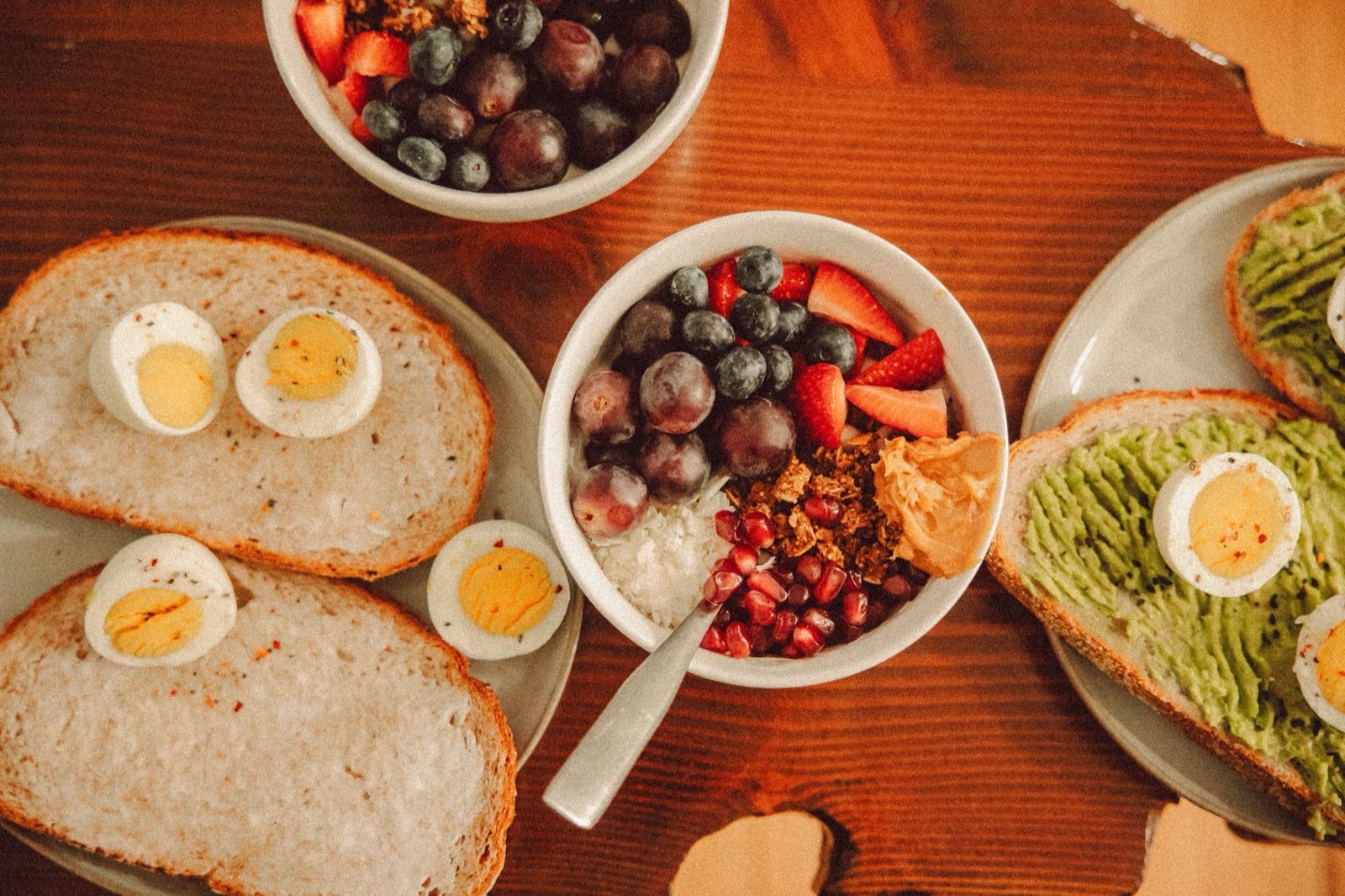
A filling breakfast with few calories is best combined with protein and fiber. Think oatmeal with low-fat quark and berries, or eggs with vegetables and a slice of whole-wheat bread. This way, you stay full longer without exceeding your calorie limit early in the day.
Medical support for weight loss
If diet and exercise alone are not enough or your weight stagnates, medical guidance can be helpful. At The Body Clinic, we see medical weight loss as part of a total approach – including nutrition, exercise, and individual diagnostics. An overview can be found at Weight loss at The Body Clinic.
Frequently Asked Questions
Which breakfast helps most with weight loss?
A protein- and fiber-rich, low-calorie breakfast is most effective for most people. Good options include oatmeal with quark and fruit, eggs with vegetables, or a portion of skyr with nuts. Such breakfasts provide long-lasting satiety and prevent mid-morning hunger.
What can I eat for breakfast if I want to lose weight?
A protein- and fiber-rich, low-sugar breakfast is ideal for many, for example, oatmeal or porridge, eggs, or quark combined with berries.
What helps with breakfast against belly fat?
A combination of protein, fiber-rich components, and appropriate fat sources can help reduce hunger and stay in a calorie deficit throughout the day.
Which breakfast stimulates fat burning?
Especially protein-rich meals have a higher thermic effect. In practice, what matters most is: getting satisfied, staying stable, and reducing snacking.
Is it better to eat breakfast or not for weight loss?
Both can work. Important factors are your total calorie intake, the quality of your diet, and a routine you can sustain long-term.