Mounjaro and the pill: what is the new advice?
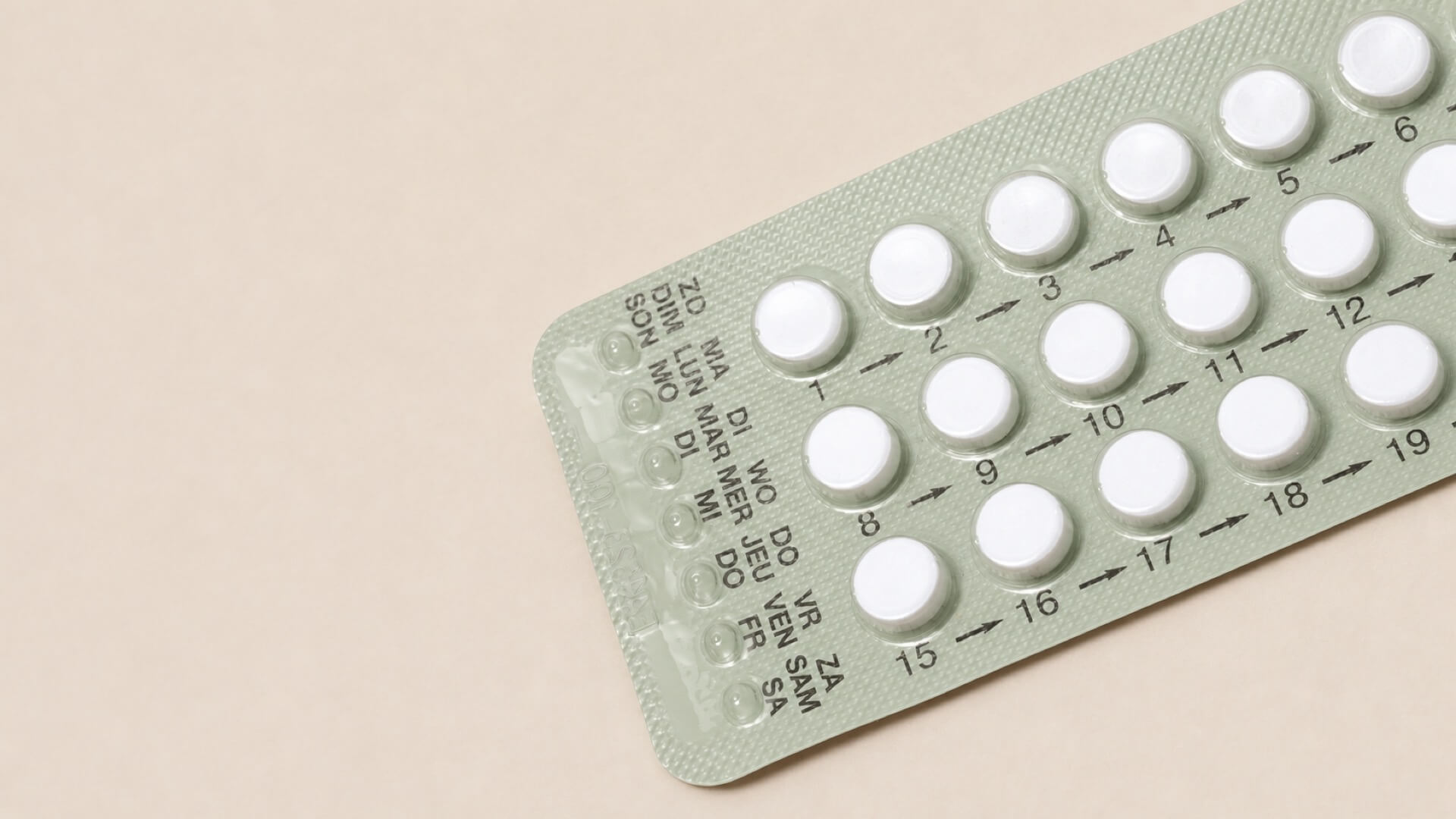
The European Medicines Committee advises (November 2026) the following for women using Mounjaro in combination with the pill or another oral contraceptive:
- Use an additional barrier method, such as a condom, for 4 weeks after starting Mounjaro.
- Do this also for 4 weeks after each dose increase.
- Or, in consultation with your doctor, switch to a non-oral form of contraception.
Additionally, contraception is recommended for all women of childbearing potential who are using Mounjaro.
Why does the pill work less effectively with Mounjaro?
Mounjaro slows down gastric emptying. This means that food, as well as tablets, move more slowly from your stomach to your intestines. As a result, your body may absorb the hormones from the pill more slowly or less effectively. This effect is strongest at the beginning of treatment and after a dose increase. That is why the advice applies specifically to these periods.
There is still limited data on this effect in women with overweight, obesity, or type 2 diabetes. The advice is therefore intended as a precaution.
Does this also apply to Ozempic, Wegovy, and other GLP-1 medications?
The tightened advice from November 2026 specifically concerns Mounjaro (tirzepatide). For semaglutide (Ozempic and Wegovy), this advice does not apply in the same way. Semaglutide also slows gastric emptying, but according to the product information, this does not have a significant effect on the efficacy of the pill.
If you are using another weight loss medication, or are unsure about your situation, ask your doctor or pharmacist if your contraception remains reliable.
When is the pill less reliable during weight loss medication use?
Nausea, vomiting, and diarrhea are known side effects of GLP-1 medications, especially at the beginning and after a dose increase. These can also affect your pill:
- Do you vomit within a few hours of taking the pill? Then your body may not have absorbed the hormones properly.
- Do you have severe diarrhea? Then the pill may work less effectively.
In such cases, follow the instructions in your pill's leaflet and use additional protection, such as a condom. You can read about the known side effects of Mounjaro in the Mounjaro leaflet.
Which contraception does not work via your stomach?
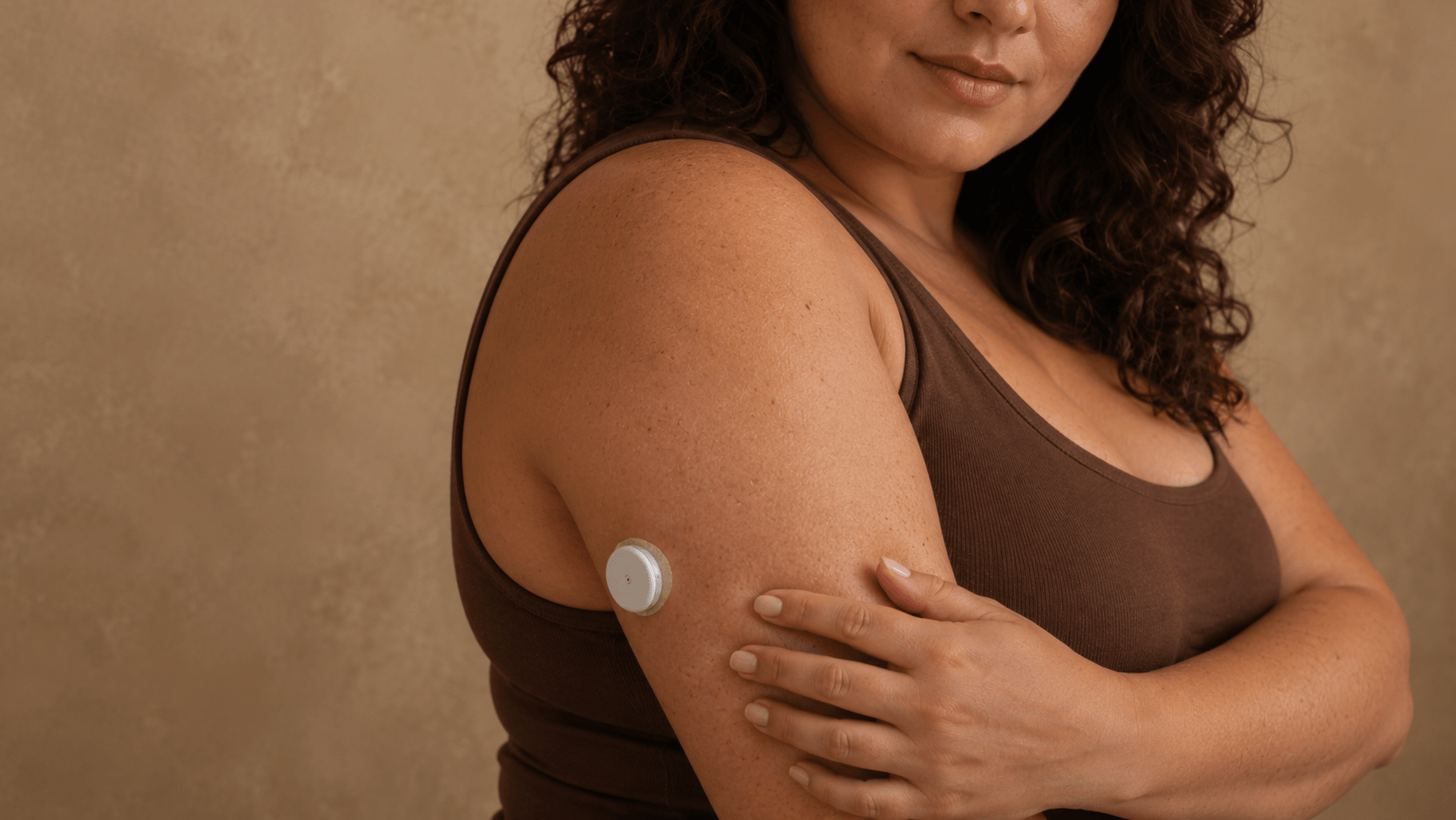
Contraception that is not swallowed is not absorbed through your stomach and intestines. Therefore, delayed gastric emptying has no effect on it. Examples include a hormonal IUD or copper IUD, an implant, the contraceptive injection, the contraceptive ring, the contraceptive patch, and condoms.
Discuss which form suits you with your general practitioner or gynecologist. Be sure to mention that you are using or planning to use weight loss medication.
Mounjaro, Ozempic, Wegovy and pregnancy
Mounjaro, Ozempic, and Wegovy are not intended for use during pregnancy. Therefore, effective contraception is important as long as you are using these medications.
Do you want to become pregnant?
Discuss with your doctor when you should stop your weight loss medication. The leaflet for semaglutide (Ozempic and Wegovy) states that you should stop at least 2 months before a planned pregnancy. For Mounjaro, discuss the timeline with your doctor.
Becoming pregnant with overweight
Overweight can reduce fertility and increases the risk of complications during pregnancy. Losing weight before pregnancy can therefore be beneficial. If you are planning to have children, discuss with your general practitioner what is advisable for you, including the timing of weight loss and becoming pregnant.
Unexpectedly pregnant while on weight loss medication?
Contact your doctor as soon as possible.
Read more about the differences between these medications in our article What is the difference between Mounjaro, Wegovy, Ozempic and Saxenda?.
Frequently Asked Questions
Does the pill work less effectively with Mounjaro?
It can, especially in the first 4 weeks and in the 4 weeks after a dose increase. Therefore, extra protection is recommended during these periods.
Does the pill still work with Ozempic or Wegovy?
The tightened European advice from November 2026 applies to Mounjaro, not in the same way to semaglutide. If you vomit or have severe diarrhea, the pill may be less reliable. In that case, use extra protection.
How long should I use a condom with Mounjaro?
According to European advice, 4 weeks after starting Mounjaro and 4 weeks after each dose increase.
Do I need to stop the pill if I use weight loss medication?
No, that is not necessary. You can continue to use the pill, with extra protection during the periods when it is advised. You can also switch to another form of contraception in consultation with your doctor.
What is an 'Ozempic baby'?
This term refers to pregnancies that occur while someone is using weight loss medication, often unexpectedly. Possible explanations are that weight loss can improve fertility and that some medications can affect the absorption of the pill. There is still little research on this. Therefore, use reliable contraception as long as you are using weight loss medication.
Can I use weight loss medication if I want to become pregnant?
No. If you want to become pregnant, or are pregnant, discuss this with your doctor. These medications are not intended for use during pregnancy.