Summary
- Insulin is a hormone that absorbs glucose from the blood and stores energy, and is essential for regulating blood sugar levels.
- Losing weight with insulin is not a suitable or safe method; incorrect use can lead to dangerously low blood sugar (hypoglycemia).
- Weight gain with insulin use can be due to better glucose absorption, extra eating during hypos, or a changed metabolism.
- Insulin temporarily inhibits fat breakdown after a meal, but this does not mean that weight loss is impossible; the energy balance over a longer period is decisive.
- In cases of insulin resistance, adjustments in diet, exercise, and lifestyle can improve insulin sensitivity and support weight loss.
What is insulin?
Insulin is a hormone produced by the pancreas. It helps absorb glucose from the blood into muscles, liver, and fat tissue, among other places. This causes blood sugar levels to drop after a meal.
Insulin is indispensable. Without sufficient insulin, or without proper insulin function, blood sugar can become too high. This plays an important role in type 1 diabetes, type 2 diabetes, and insulin resistance.
Among other things, insulin does the following:
- it helps cells absorb glucose
- it stimulates energy storage
- it temporarily inhibits fat breakdown
- it supports anabolic processes in the body
- it helps keep blood sugar within safe limits
The fact that insulin temporarily inhibits fat breakdown does not mean that insulin is “bad.” It is a normal part of metabolism.
Can you lose weight with insulin?
No. Losing weight with insulin is not a suitable or safe method. Insulin is not a weight-loss drug and is not used to lose weight.
Insulin is medically prescribed for people who need it for their diabetes treatment. If someone without a medical indication were to use insulin, it could be dangerous. The greatest risk is dangerously low blood sugar, also known as hypoglycemia.
A severe hypo can lead to:
- sweating
- trembling
- palpitations
- confusion
- fainting
- unconsciousness
- seizures
- in severe cases, life-threatening danger
Therefore, never use insulin to lose weight. If you use insulin for diabetes, never change your dosage on your own initiative with the goal of losing weight.
Why can insulin use be associated with weight gain?
In some people, insulin treatment can be associated with weight gain. This does not mean that insulin “makes you fat” in a simple sense, but it can affect energy storage and eating behavior.
Possible explanations include:
- glucose is better absorbed into cells instead of being lost through urine
- hypos can lead to extra eating or snacking
- too high an insulin dosage can increase cravings due to low blood sugar
- metabolism changes when diabetes is better regulated
- weight gain can be related to total caloric intake
This is especially relevant for people using insulin for diabetes. It does not mean you should stop insulin. It does mean that weight, nutrition, blood sugar, and medication should be assessed together.
Does insulin block fat burning?
Insulin temporarily inhibits fat breakdown, especially after a meal. That's normal. After eating, insulin rises so your body can process glucose and store energy. Between meals and during longer periods without food, insulin usually decreases again.
Important: temporarily less fat breakdown after a meal does not mean you cannot lose weight. Over an entire day or week, the energy balance is mainly decisive. If you consistently consume less energy than you expend, you can lose fat, even if insulin rises after meals.
The statement “insulin blocks weight loss” is therefore too simplistic.
How long does insulin inhibit fat burning?
That varies per person and per meal. After a meal, insulin usually rises temporarily. How long that effect lasts depends on, among other things:
- amount of carbohydrates
- type of carbohydrates
- total meal size
- protein and fat content of the meal
- insulin sensitivity
- exercise
- diabetes or insulin resistance
- medication use
With a carbohydrate-rich meal, insulin can rise more sharply than with a meal rich in protein, vegetables, and fiber. But here too, the principle applies: it's not about a single isolated insulin peak, but about your overall nutrition, energy intake, and health.
Insulin resistance and weight loss
Insulin resistance means that body cells respond less sensitively to insulin. The body then has to produce more insulin to regulate blood sugar. This is more common with overweight, abdominal fat, lack of exercise, sleep deprivation, and genetic predisposition.
Insulin resistance can make weight loss more difficult, partly because it is often associated with:
- more abdominal fat
- fluctuating blood sugar
- increased cravings
- fatigue
- metabolic complaints
- increased risk of type 2 diabetes
Nevertheless, weight loss remains possible. Even modest weight loss can improve insulin sensitivity. Exercise, strength training, sufficient protein, fiber-rich foods, and fewer highly processed carbohydrates can help with this.
How does the insulin diet work?
The so-called insulin diet is based on the idea that you should limit insulin spikes by choosing specific eating times and combinations. This often involves less snacking, longer breaks between meals, and fewer carbohydrates at certain times of the day.
Typical elements include:
- fixed main meals
- fewer snacks
- protein and fiber-rich meals
- fewer highly processed carbohydrates
- sometimes low-carb eating in the evening
Some components can be practically helpful, especially because they provide structure and reduce snacking. But the insulin diet is not a magic method. If it works, it's usually because total calorie intake decreases and meals are more satiating.
Do you need to avoid carbohydrates to keep insulin low?
No, not necessarily. Carbohydrates raise insulin, but that's a normal physiological reaction. Not all carbohydrates work the same way.
Often more favorable are:
- whole grain products
- legumes
- vegetables
- fruit
- oatmeal
- potatoes in appropriate portions
- fiber-rich products
Less useful as a basis are:
- sugary drinks
- sweets
- cookies
- white bread
- large portions of refined snacks
- highly processed breakfast cereals
- a lot of alcohol
For many people, it is not necessary to completely avoid carbohydrates. More important are the quality, portion size, and combination with protein, fats, and fibers.
What helps with weight loss if insulin plays a role?
If you think insulin, blood sugar, or insulin resistance plays a role, start with an approach that supports both energy balance and blood sugar regulation.
Practical steps:
- eat enough protein with every meal
- choose fiber-rich carbohydrates
- limit sugary drinks
- eat plenty of vegetables
- avoid constant snacking if it leads to overeating for you
- exercise daily
- do strength training if possible
- get enough sleep
- limit alcohol
- discuss medication and blood sugar issues with your doctor
Read also:
Insulin injections for weight loss: why it's dangerous
Searches such as weight loss with insulin injections or injecting insulin for weight loss do occur, but the answer is clear: you should not do this.
Insulin injections are intended for diabetes treatment when there is a medical indication for it. They are not intended for weight loss. Incorrect use can lead to severe hypoglycemia.
If you use insulin for diabetes and want to lose weight, guidance is extra important, as diet, exercise, and weight loss can affect your blood sugar and insulin needs. Always discuss changes with your healthcare provider.
What does an insulin injection for weight loss cost?
This question is understandable from search behavior, but medically speaking, it's the wrong premise. Insulin injections are not a weight-loss treatment. Therefore, there is no normal price, course, or dosage for insulin for weight loss.
Only use insulin if prescribed by a doctor for a medical indication, such as diabetes. Never buy or use insulin without medical supervision.
Which medications are used for obesity?
Insulin is not a weight-loss medication. For obesity or overweight with weight-related conditions, a doctor may sometimes assess whether medication for weight management is appropriate.
These include medicines used within their own registration framework, such as agents that influence appetite, satiety, or energy intake. Which treatment is appropriate depends on BMI, medical history, contraindications, lab values, other medications, and previous treatments.
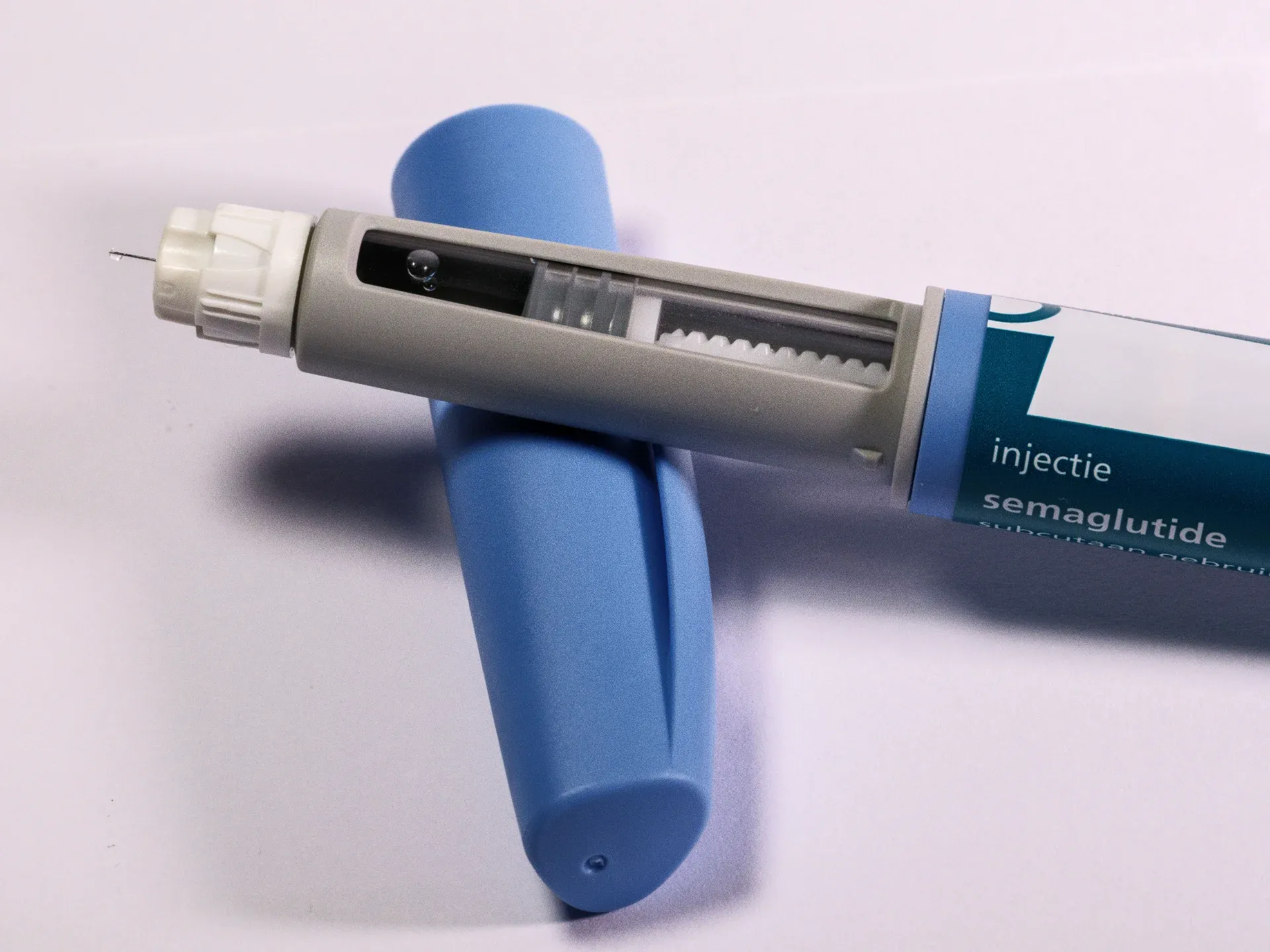
Ozempic contains semaglutide and is registered for adults with type 2 diabetes. Wegovy also contains semaglutide and is used within the registration framework for weight management. Mounjaro contains tirzepatide and is used within the registration framework for type 2 diabetes and weight management. Saxenda contains liraglutide.
More general information about this can be found in our overview of weight loss medications.
Insulin in diabetes and safe weight loss
If you have diabetes and use insulin, losing weight can be beneficial for your health, but it must be done carefully. Eating less, exercising more, or losing weight can affect your blood sugar. This can also change your medication needs.
Important points to consider:
- never drastically adjust insulin yourself
- monitor your blood sugar as agreed
- discuss hypos with your healthcare provider
- avoid crash diets
- eat enough protein and fiber
- exercise regularly
- coordinate weight loss with your diabetes care provider
In case of frequent hypos, rapid weight changes, or uncertainty about your dosage, you should contact your healthcare provider.
Conclusion
Losing weight with insulin is not a safe or medical weight-loss method. Insulin is a vital hormone and a necessary treatment for some people with diabetes, but it is not a fat burner.
Insulin temporarily inhibits fat breakdown after meals, but that does not mean that weight loss is impossible. Over a longer period, the energy balance remains decisive. In cases of insulin resistance, nutrition, exercise, sleep, muscle mass, and weight loss can help improve metabolism.
If you use insulin or other diabetes medication, never change your dosage yourself to lose weight. Always discuss your weight, blood sugar, and treatment with your doctor or diabetes nurse.
Frequently Asked Questions
Can you lose weight with insulin?
No. Insulin is not a weight-loss drug. Use without medical indication can be dangerous due to the risk of severe hypoglycemia.
Does insulin make you fat?
Insulin can be associated with weight gain in some people with diabetes, but this depends on dosage, nutrition, blood sugar, hypos, and total caloric intake. Never stop insulin yourself because of weight.
Does insulin block fat burning?
Insulin temporarily inhibits fat breakdown after a meal, but that does not mean you cannot lose weight. Over a longer period, your energy balance primarily determines whether you lose fat.
How long does insulin block fat burning?
That varies per meal and person. After a meal, insulin temporarily rises. How long that lasts depends on diet, insulin sensitivity, exercise, and medication.
What is the insulin diet?
The insulin diet is an eating method that attempts to limit insulin spikes through fixed meals, fewer snacks, and sometimes fewer carbohydrates. If it works, it's usually due to more structure and reduced calorie intake.
Do you need to avoid carbohydrates to lose weight?
Not necessarily. Fiber-rich carbohydrates such as whole-grain products, legumes, vegetables, fruit, and potatoes can fit into a healthy diet. Portion size and total energy balance remain important.
What are the disadvantages of insulin for weight loss?
Using insulin to lose weight is dangerous and not medically intended. It can lead to severe hypos, weight gain, increased cravings, and blood sugar dysregulation.
Which medications actually help with weight loss?
There are medications used within a medical registration framework for obesity or overweight with weight-related conditions. Which option is appropriate must always be assessed by a doctor.