Summary
- Psyllium fiber consists of soluble fibers from the seed husks of the Plantago ovata plant that absorb a lot of water and form a gel.
- They can support weight loss by promoting a feeling of fullness, regulating bowel movements, and increasing fiber intake, but they do not burn fat and are not a miracle cure.
- Always take psyllium fiber with plenty of water, gradually increase the dosage, and drink extra water to prevent symptoms such as gas or constipation.
- Possible disadvantages include bloating, cramps, and interactions with medication; always consult a doctor or pharmacist if in doubt.
- Psyllium can be used daily as part of a calorie-conscious diet, but it is not a substitute for medical guidance for underlying health problems.
What is psyllium fiber?
Psyllium fiber consists of fibers from the seed husks of the Plantago ovata plant. They are also known as psyllium husk. Psyllium primarily consists of soluble fibers that can absorb a lot of water.
When psyllium comes into contact with moisture, it forms a gel-like mass. This makes the intestinal contents more voluminous and softer. Psyllium is therefore often used to support regular bowel movements.
Because psyllium can also contribute to satiety, it is regularly discussed in relation to weight management. This does not mean that psyllium burns fat on its own. At most, it can be supportive within a fiber-rich and calorie-conscious diet.
Psyllium Fiber and Weight Loss: How Does It Work?
The connection between psyllium fiber and weight loss primarily lies in satiety and eating behavior. Psyllium fiber absorbs water and forms a gel. This can make the stomach contents feel fuller and a meal can provide satiety for longer.
Possible benefits within a weight loss goal are:
- Increased satiety: psyllium can help you feel fuller.
- Reduced snacking urge: a more satiating meal can help to curb cravings sooner.
- More regular bowel movements: psyllium can add volume to the intestinal contents.
- Fiber-rich diet: more fiber fits well within a healthy diet.
- Potentially favorable blood sugar response: soluble fibers can slow down carbohydrate absorption.
These effects can help, but only if your overall diet is appropriate. Adding psyllium on top of an excessively high calorie intake will not automatically lead to weight loss.
Can You Really Lose Weight with Psyllium Fiber?
Yes, psyllium fiber can support weight loss, but it is not a guarantee of weight loss. Research on psyllium shows mixed results. Some analyses find a small beneficial effect on weight, BMI, or waist circumference, while other analyses find no clear significant effect.
This distinction is important. Psyllium is therefore not a miracle cure and not a substitute for diet, exercise, or medical supervision. It can be particularly useful if it helps you to:
- feel less hungry sooner
- better control portions
- increase fiber intake
- make bowel movements more regular
- better sustain a calorie deficit
Weight loss ultimately depends on your total energy balance. Psyllium can be a tool in this, not a standalone treatment.
How to Take Psyllium Fiber?
Psyllium should always be taken with sufficient fluid. This is important because the fibers absorb water and swell.
A practical way to use it:
- stir a small amount of psyllium into a large glass of water
- drink it immediately before it gets too thick
- then drink an additional glass of water
- gradually increase the dosage, allowing your intestines to adjust
- do not consume psyllium dry
It's better to start low than high. Some people experience gas, bloating, or cramps if they increase the dosage too quickly.
Psyllium can also be mixed into yogurt, quark, or a smoothie. Still, make sure you drink enough. If you combine psyllium with protein-rich foods, this can further support satiety. Read also: Weight Loss with Protein.
How Much Psyllium Fiber Per Day?
The correct amount varies per person and per product. Therefore, always follow the instructions on the packaging. Many products work with small portions that are gradually increased.
For many people, it is advisable to start with a low amount, for example, one small portion per day. If that goes well, the amount can be gradually increased according to the instructions for use.
More is not automatically better. Too much psyllium or insufficient fluid can actually cause complaints such as bloating, cramps, or constipation.
When Should You Take Psyllium Fiber?
Psyllium is often taken before or around a meal, as it can contribute to satiety. Some people use it at a fixed time of day to support bowel movements.
More important than the exact time is that you use psyllium:
- consistently if you want to test its effects
- with sufficient water
- gradually increase the dosage
- not simultaneously with important oral medication
If you are taking medication, discuss with your doctor or pharmacist what a safe interval is for you between psyllium and medication.
Psyllium Fiber and Belly Fat
Psyllium fiber does not burn belly fat. Nor can you specifically target fat loss around your belly.
However, psyllium can indirectly help if it leads you to eat fewer calories and thus lose overall weight. If your total fat mass decreases, belly fat can also decrease. This is then due to the overall energy deficit, not because psyllium specifically targets belly fat.
For belly fat, the following factors are especially important:
- total calorie intake
- exercise and strength training
- sleep
- alcohol consumption
- stress
- protein intake
- fiber intake
- medical factors such as insulin resistance
Psyllium can therefore be part of the approach, but not the core solution.
What are the Possible Disadvantages of Psyllium Fiber?
Psyllium is generally well-tolerated by many people, but there are some points to consider.
Possible disadvantages include:
- bloating
- gas formation
- abdominal cramps
- constipation due to insufficient fluid
- diarrhea or loose stools in some people
- swallowing difficulties if not properly taken with water
- possible influence on medication absorption
Never take psyllium dry. Due to its swelling, this can be dangerous if you have swallowing difficulties or insufficient fluid intake.
If you have chronic bowel problems, narrowing of the gastrointestinal tract, swallowing difficulties, severe constipation, or are taking multiple medications, discuss psyllium with a doctor or pharmacist first.
Psyllium Fiber and Medication
Psyllium can affect the absorption of some oral medications if taken simultaneously. This is because psyllium forms a gel in the gastrointestinal tract.
If you are taking medication, do not simply take psyllium at the same time. It is often advised to take medication and psyllium separately, for example, with a few hours in between. The safe timing may vary per medication.
If in doubt, ask your doctor or pharmacist for advice. This applies especially to diabetes medication, thyroid medication, blood thinners, antidepressants, anti-epileptics, or other medications where reliable absorption is important.
Psyllium Fiber with GLP-1 Medication
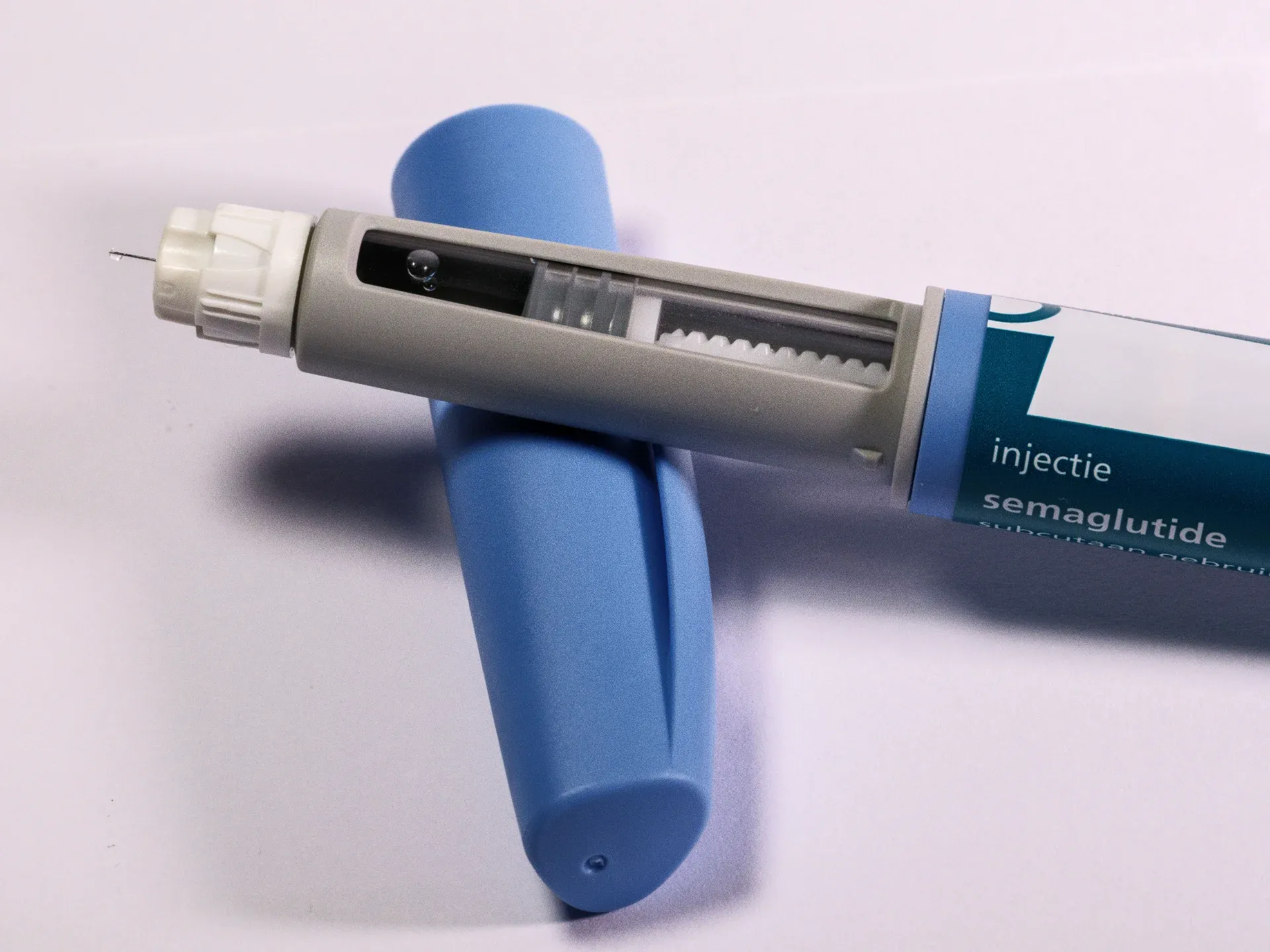
Psyllium fiber is sometimes used by people taking GLP-1 medication, for example, for constipation or to increase fiber intake. This can be appropriate in some cases, but requires caution.
GLP-1 medication can slow gastric emptying and cause gastrointestinal complaints, such as nausea, a feeling of fullness, constipation, or diarrhea. If you add psyllium to this, it can help some people, but others may experience bloating or additional abdominal discomfort.
If you are using GLP-1 medication such as semaglutide, liraglutide, or tirzepatide and want to try psyllium, build up gradually and drink plenty of fluids. In case of persistent constipation, abdominal pain, vomiting, or a swollen abdomen, medical assessment is necessary.
More general information about medication for obesity or overweight with weight-related conditions can be found in our overview of weight loss medications.
Psyllium Fiber Experiences for Weight Loss
Many people who use psyllium fiber for weight loss primarily report feeling fuller and having fewer cravings. Some users also report that their bowel movements become more regular.
Experiences vary greatly, however. Some people notice a significant difference in satiety, while others primarily experience bloating or little effect. The result also depends on the rest of the diet.
Psyllium is therefore not a quick fix. It can be a practical supplement if you tolerate it well, drink enough fluids, and combine it with a diet that suits your goal.
When is Medical Supervision Advisable?
Medical supervision is advisable if you have overweight or obesity in combination with medical conditions, type 2 diabetes, bowel problems, medication use, or recurrent difficulty losing weight.
Even if you use psyllium for constipation and the symptoms persist, it is important to have this evaluated. Constipation can be harmless, but it can also be related to diet, fluid intake, medication, thyroid problems, bowel diseases, or other causes.
Do not use psyllium as a substitute for medical care in case of persistent abdominal pain, blood in the stool, unexplained weight loss, severe constipation, or suddenly changed bowel habits.
Conclusion
Psyllium fiber can help with weight loss by contributing to satiety, fiber intake, and more regular bowel movements. They do not burn fat and do not automatically lead to weight loss.
The effect is greatest when psyllium fits within a calorie-conscious diet with sufficient protein, vegetables, exercise, and fluids. Safe use is important: always take psyllium with plenty of water, gradually increase the dosage, and be aware of possible interactions with medication.
Additionally, read:
Frequently Asked Questions
How to take psyllium fiber for weight loss?
Always take psyllium with plenty of water and follow the instructions on the packaging. Gradually increase the dosage and drink extra water afterward. Do not consume psyllium dry.
Does psyllium fiber help with weight loss?
Psyllium fiber can support weight loss by contributing to satiety and fiber intake. They do not automatically lead to weight loss.
Is psyllium fiber good for belly fat?
Psyllium does not burn belly fat. It can indirectly help if it leads you to eat fewer calories and lose overall weight.
What is the disadvantage of psyllium fiber?
Possible disadvantages include gas, bloating, abdominal cramps, or constipation due to insufficient fluid. Psyllium can also affect the absorption of some medications.
Can you use psyllium fiber every day?
Many people use psyllium daily, but build up gradually and pay attention to your fluid intake. For bowel problems, swallowing difficulties, or medication use, consultation with a doctor or pharmacist is advisable.
When should you take psyllium fiber?
That depends on your goal. Some people take psyllium before a meal for satiety, others at a fixed time for bowel movements. Do not take it simultaneously with important oral medication without consultation.
Can you use psyllium fiber with GLP-1 medication?
This can sometimes be done, for example, with low fiber intake or constipation, but build up gradually and drink plenty of fluids. In case of abdominal pain, vomiting, severe constipation, or a swollen abdomen, you should seek medical advice.